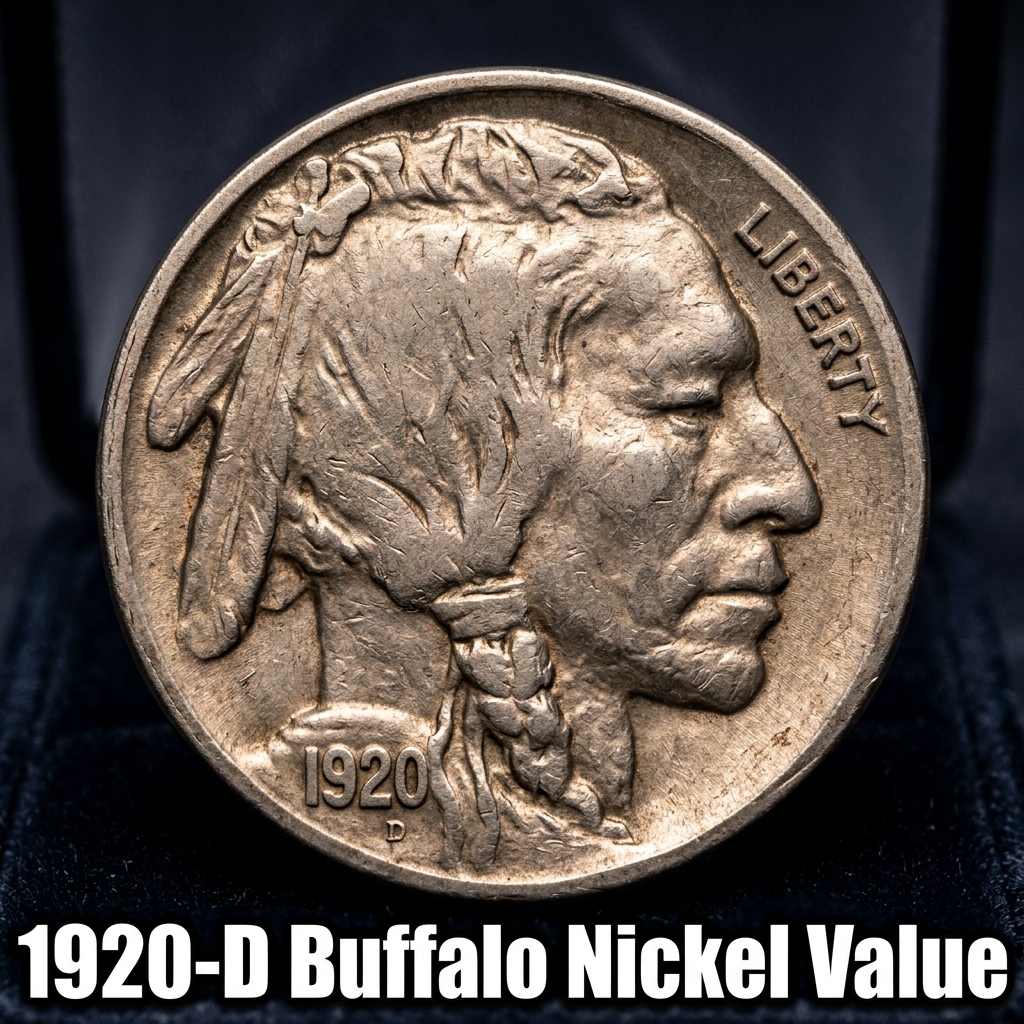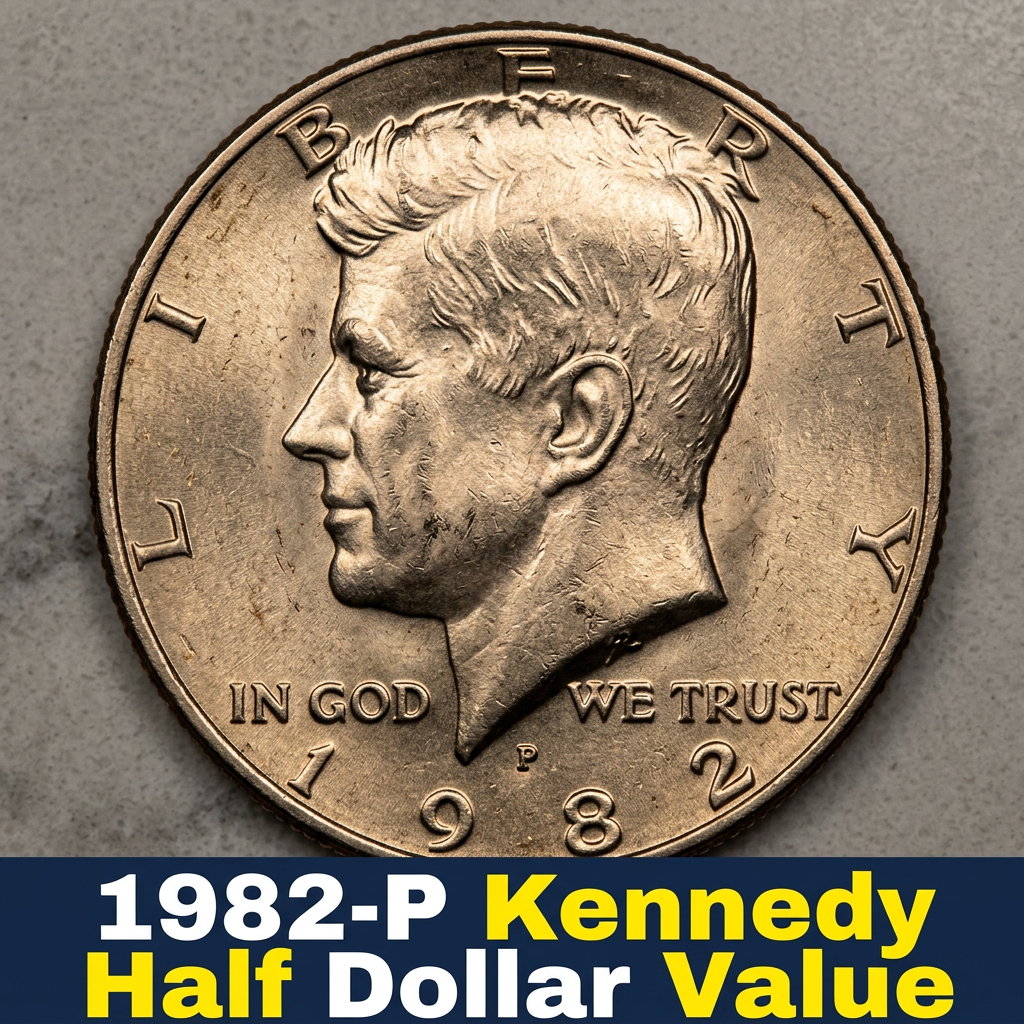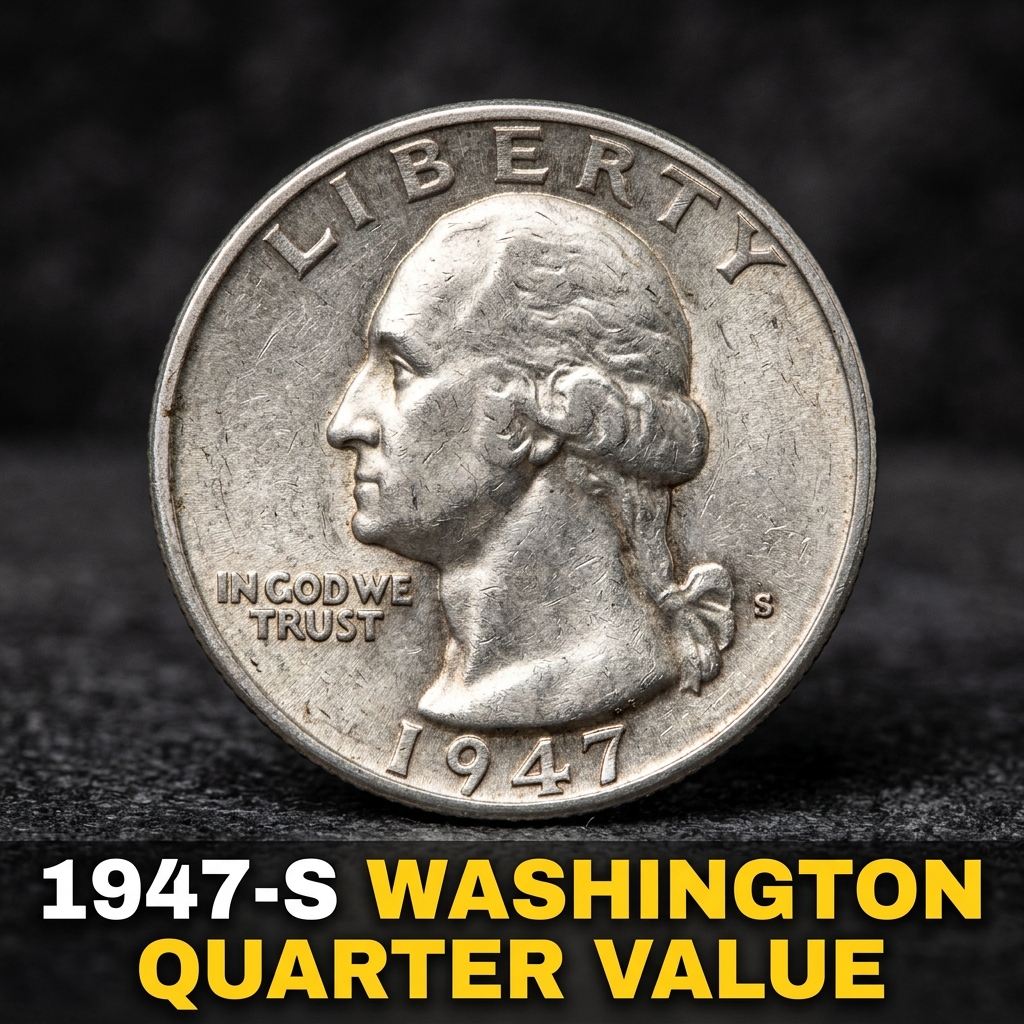
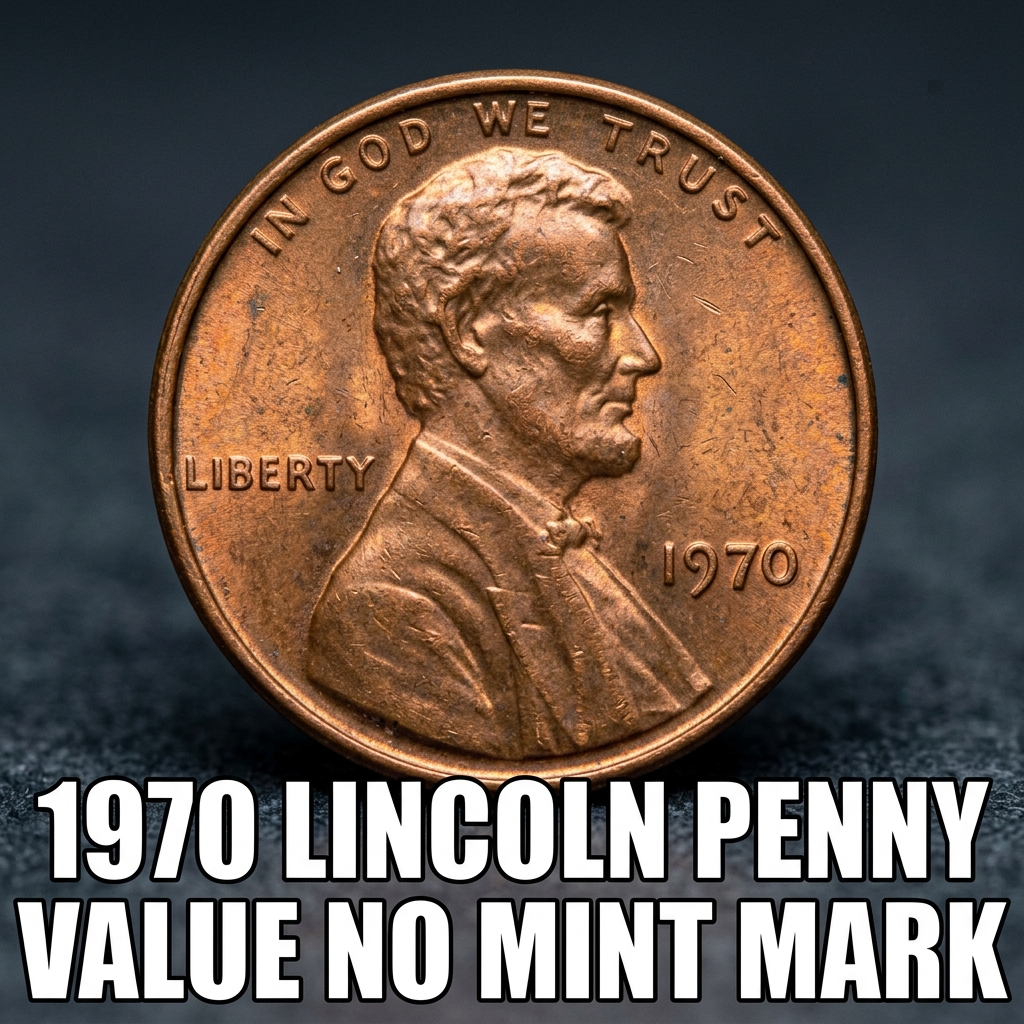
The 1970 Lincoln Penny with no mint mark is worth anywhere from 1 cent in heavily worn condition to over $50 or more in pristine uncirculated grades — and a few rare varieties can fetch hundreds of dollars if you know what to look for. If you just found one of these coins in a drawer or old jar, you’re in the right place.
What Does “No Mint Mark” Mean on a 1970 Penny?
When you look at a 1970 Lincoln penny and see no mint mark below the date, that tells you it was struck at the Philadelphia Mint. Philadelphia has historically been the main U.S. coin-producing facility, and for many years it didn’t stamp its coins with a letter identifier.
So don’t be alarmed — a missing mint mark doesn’t mean something went wrong with your coin. It’s actually completely normal for this era.
In 1970, the Philadelphia Mint produced over 1.8 billion Lincoln cents. That’s a lot of coins, which is why most circulated examples aren’t worth much more than face value. But condition is everything in coin collecting, and a well-preserved 1970 penny can still surprise you.
If you’re not sure what you have, try using a free coin identifier app to scan your coin and get an instant assessment before you do anything else.
1970 Lincoln Penny Value by Grade
The value of a 1970 no mint mark penny changes dramatically depending on its condition. Coin collectors use a grading scale from 1 (heavily worn) to 70 (perfect uncirculated). Here’s a general breakdown of what you might expect:
| Grade / Condition | Estimated Value |
|---|---|
| Good (G-4) | $0.01 – $0.05 |
| Fine (F-12) | $0.05 – $0.15 |
| Extremely Fine (EF-40) | $0.25 – $0.75 |
| Mint State 63 (MS-63) | $1 – $5 |
| Mint State 65 (MS-65) | $8 – $20 |
| Mint State 67+ (MS-67 RD) | $50 – $200+ |
For a more detailed look at 1970 Lincoln penny auction prices and MS-RD grade values, the data there can help you understand how high-end examples are actually trading on the market today.
The 1970-P Small Date vs. Large Date Variety
Here’s where things get really interesting for the 1970 no mint mark penny. There are actually two major varieties: the Small Date and the Large Date. The Small Date is the more valuable of the two, and it can be spotted by examining the size and positioning of the digits in the date.
On the Small Date variety, the “7” in 1970 appears higher than the other numerals and the date looks slightly smaller overall. This variety is rarer and commands a premium — sometimes several times the value of a common Large Date example in the same grade.
Identifying the difference can be tricky with the naked eye. This is where CoinHix really shines — the app lets you scan your coin and quickly flag whether you might have the more valuable Small Date variety.
Knowing which variety you have could be the difference between a coin worth a few cents and one worth real money, so it’s absolutely worth checking before you spend it or toss it in a jar.
What Makes a 1970 Penny Worth More Money
Beyond variety, a few other factors can push the value of your 1970 Lincoln cent higher than average.
Color designation matters a lot. Uncirculated copper pennies are graded as Red (RD), Red-Brown (RB), or Brown (BN). Red coins — those that have retained their original bright copper luster — are worth significantly more than brown ones. A 1970 penny graded MS-65 RD is worth far more than an MS-65 BN example.
Strike quality and eye appeal also play a role. A coin with strong, sharp details, no contact marks, and great luster will attract more buyers and higher bids at auction.
Error coins from 1970 exist too. Doubled die errors, off-center strikes, and die cap errors have all been found on 1970 cents. These errors can make an otherwise ordinary penny worth anywhere from $20 to several hundred dollars depending on the severity.
If you want a full breakdown of 1970 penny values including errors and variety pricing, that resource covers all the key details in one place.
Should You Get Your 1970 Penny Graded?
If you believe your coin is in uncirculated or near-perfect condition, professional grading by PCGS or NGC can significantly increase its resale value. Collectors pay a premium for certified coins because the grade has been verified by experts.
That said, most circulated 1970 Lincoln pennies aren’t worth the cost of grading. The exception is if you think you have a Small Date variety, a notable error, or a coin that looks absolutely pristine.
Before spending money on grading, use CoinHix to get a quick at-home assessment. It’s a smart first step that can save you time and money — and help you decide if your coin is worth pursuing further.
FAQ
Q: Is a 1970 penny with no mint mark rare?
A: No, it’s not considered rare overall — over 1.8 billion were produced at the Philadelphia Mint. However, high-grade examples and the Small Date variety are scarcer and worth more to collectors.
Q: How can I tell if my 1970 penny is the Small Date or Large Date?
A: Look closely at the “7” in the date. On the Small Date, the “7” sits slightly higher than the other digits. You can use a magnifying glass or scan it with CoinHix for a quicker comparison.
Q: What is the most valuable 1970 no mint mark penny ever sold?
A: Top-grade examples in MS-67 Red have sold for over $100 to $200 at major auctions. Error coins and exceptional Small Date specimens have fetched even higher prices depending on the buyer and market conditions.