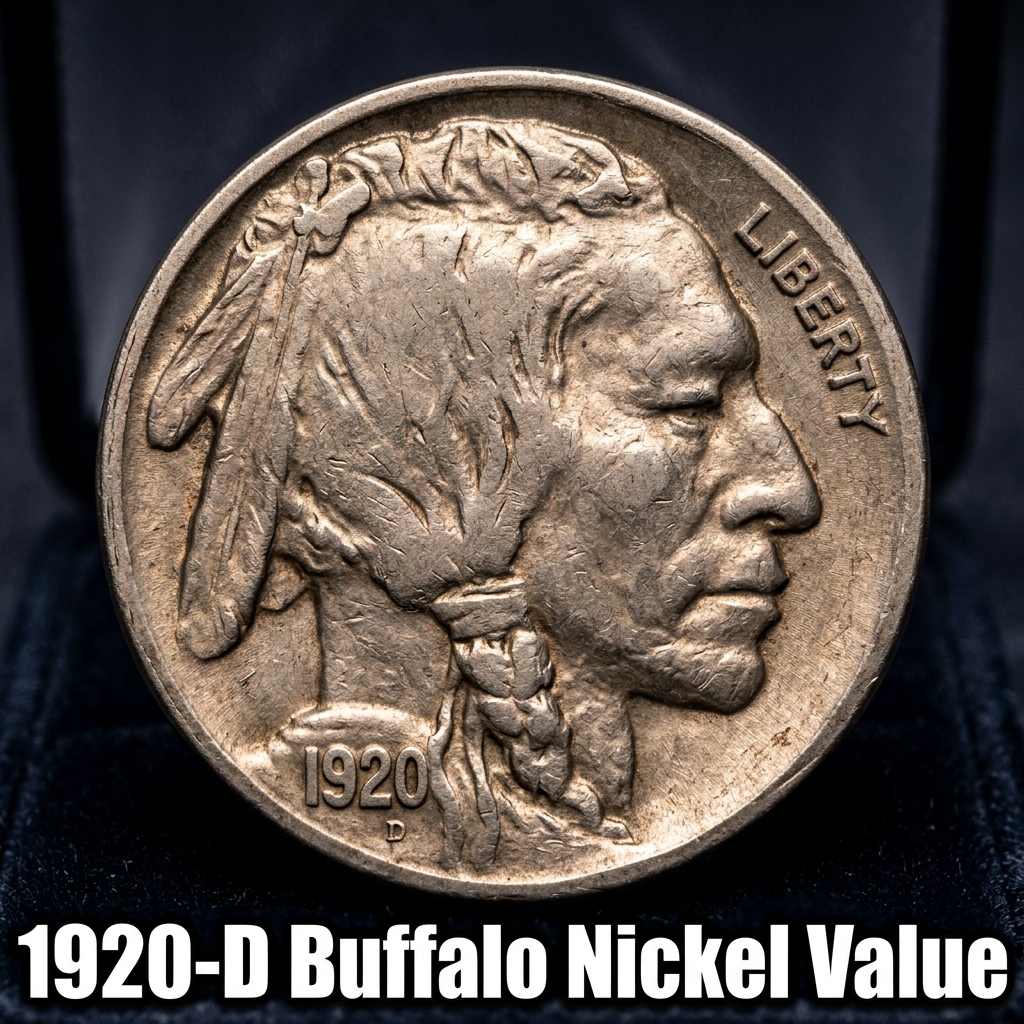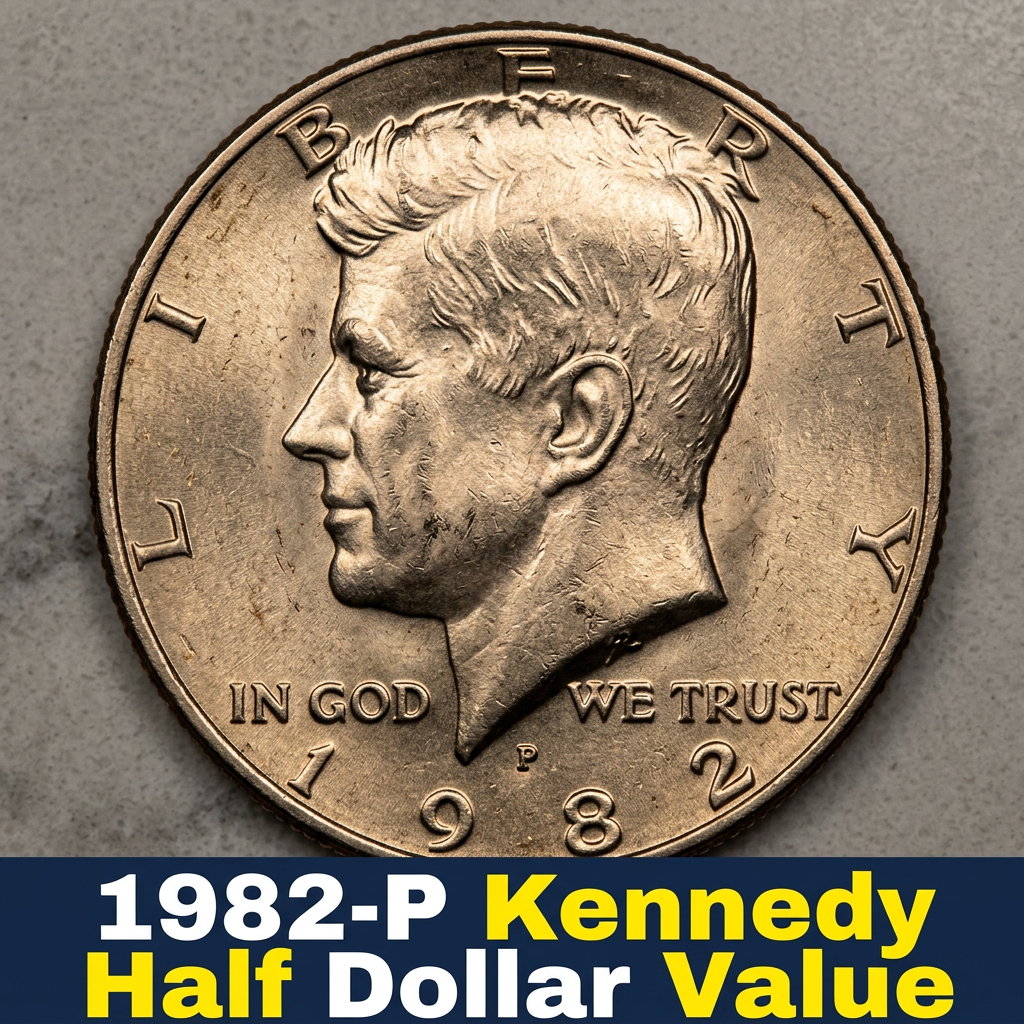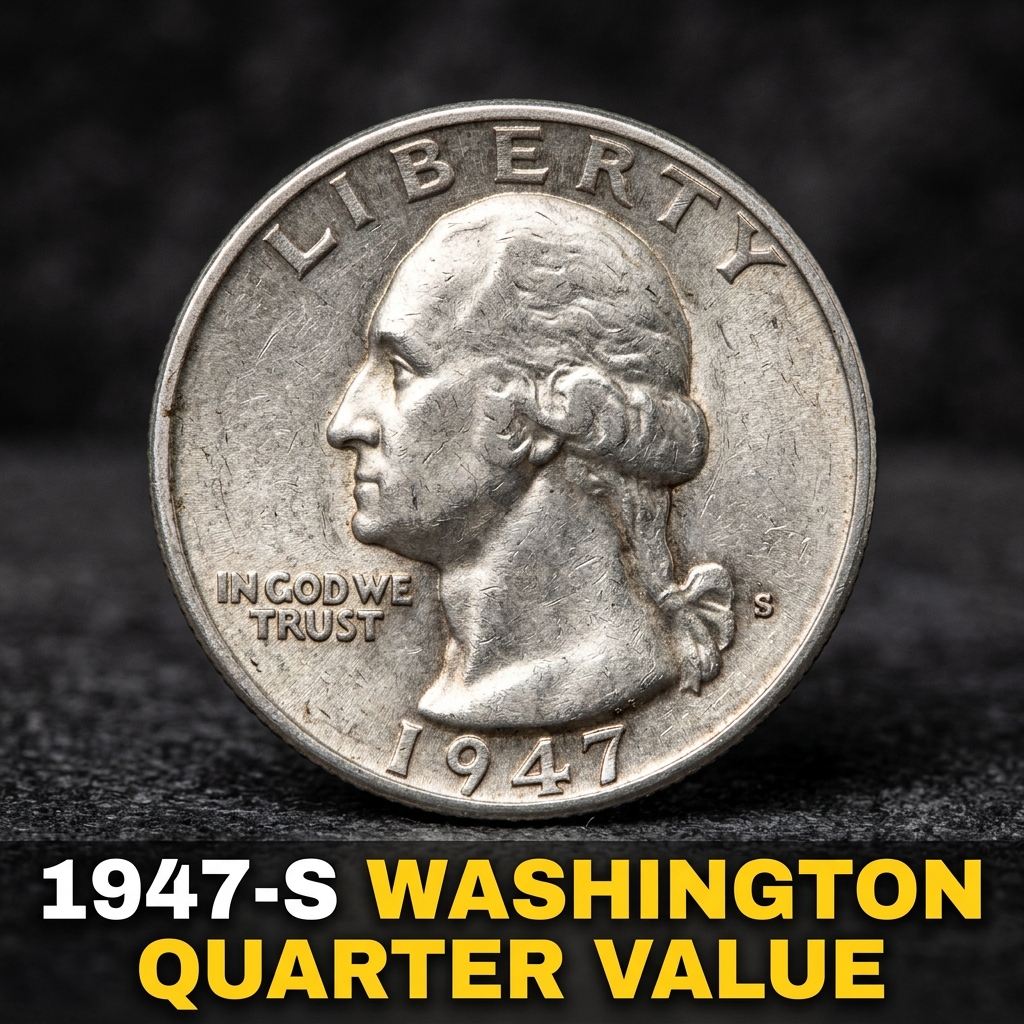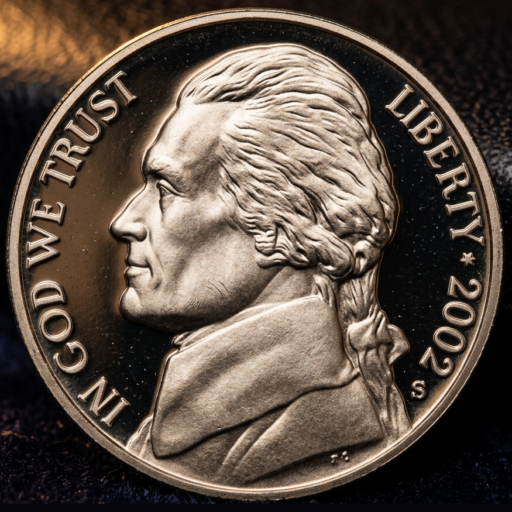
If you’ve ever dug through a jar of old coins and wondered whether any of them might be valuable, you’re not alone — and the good news is that apps like CoinHix and CoinCheck promise to give you answers fast, with values ranging from a few dollars to potentially hundreds depending on what you’ve got.
Getting Started: What These Apps Are Actually For
Before we compare the two, it helps to understand what you’re really looking for. Most everyday Americans who stumble onto old coins aren’t professional collectors — they just want a quick, reliable answer. That’s where a good free coin identifier app becomes incredibly useful.
Both CoinHix and CoinCheck are designed for exactly this kind of casual discovery. You snap a photo of your coin, the app analyzes it, and within seconds you get information about what the coin is and what it might be worth.
The key difference comes down to accuracy, ease of use, and how much useful detail you actually get back. Not all coin apps are created equal, and when you’re trying to figure out if that old silver coin from grandma’s drawer is worth $5 or $500, the details matter a lot.
How CoinHix and CoinCheck Handle Coin Identification
CoinHix uses AI-powered image recognition that’s been trained on a massive database of U.S. and world coins. When you photograph a coin, it doesn’t just tell you the name — it gives you the date, mint mark, grade estimate, and a realistic value range based on current market data.
CoinCheck, on the other hand, takes a more basic approach. It can identify common coins fairly well, but users frequently report that it struggles with older, worn, or less common coins — exactly the kind you’re most likely to find in a forgotten coin jar or estate collection.
For someone who just found a handful of old pennies or a possible silver dollar, CoinHix tends to deliver far more actionable information. It tells you not just what the coin is, but whether it’s worth getting professionally graded or just spending at face value.
Coin Values: What the Data Actually Looks Like
One area where the two apps differ significantly is in how they present value data. Here’s a simplified comparison using common coin examples:
| Coin | CoinHix Value Estimate | CoinCheck Value Estimate | Actual Market Range |
|---|---|---|---|
| 1909-S VDB Lincoln Cent | $700 – $1,500+ | $50 – $200 (generic) | $800 – $2,000+ |
| 1921 Morgan Silver Dollar | $28 – $85 | $20 – $40 | $25 – $100 |
| 1916-D Mercury Dime | $800 – $3,500 | Not identified correctly | $1,000 – $5,000+ |
| 1964 Kennedy Half Dollar | $8 – $15 (silver value) | $5 – $10 | $7 – $20 |
| 1943 Steel Penny | $0.25 – $3 | $1 – $5 | $0.10 – $5 |
As you can see, CoinHix consistently comes closer to real-world market values and is especially strong on key date coins — the ones that could actually be worth serious money.
Ease of Use for Beginners
Neither app requires any coin knowledge to use, which is great. But there’s a noticeable difference in the experience for someone who’s new to coin collecting.
CoinCheck has a clean interface, but when it fails to identify a coin correctly, it doesn’t tell you why or offer alternatives. You’re left guessing. For a worn 1800s coin or anything with significant damage, it can return generic or completely wrong results.
CoinHix is built with beginners in mind. Even when a coin is heavily worn, the app often gives you a range of possibilities ranked by likelihood, along with tips on what to look for — like checking the mint mark location or comparing the date style. That kind of guidance is genuinely helpful when you don’t know what you’re looking at.
The app also includes a coin grading guide inside the interface, so you can learn as you go. For everyday Americans who just want to know if something is worth holding onto, that extra layer of education makes a real difference.
Which App Should You Actually Use
If your goal is to quickly sort through a collection and find out which coins might be worth something, CoinHix is the stronger choice. It’s more accurate on the coins that matter most — rare dates, key varieties, and silver coins — and it gives you context that helps you make smart decisions.
CoinCheck is fine for identifying common modern coins, but it falls short when stakes are higher. And in coin collecting, the whole point is figuring out which coins are the exceptions — the rare ones hiding in plain sight.
Whether you’re cleaning out a relative’s estate, going through an old coin jar, or just curious about that weird-looking dime you got in change, CoinHix gives you the kind of reliable, detailed information you actually need to decide your next step.
—
FAQ
Q: Are coin identifier apps accurate enough to trust for selling coins?
A: They’re a great starting point, but not a final answer. Apps like CoinHix give you a solid value range and help you identify potentially valuable coins, but for anything worth over $50–$100, you should have it checked by a professional coin dealer or submitted to a grading service like PCGS or NGC.
Q: Can these apps identify old foreign coins, not just American ones?
A: Yes, both apps support world coins to varying degrees. CoinHix tends to have a broader and more up-to-date database for international coins, while CoinCheck’s strength is primarily U.S. coinage. If you have a mixed collection, CoinHix is the better bet.
Q: What if my coin is too worn to photograph clearly — will the app still work?
A: It depends on how worn the coin is. CoinHix handles worn coins better than most apps because it uses contextual clues like size, color, and design fragments to narrow down possibilities. That said, extremely damaged or corroded coins may still be difficult for any app to identify accurately.