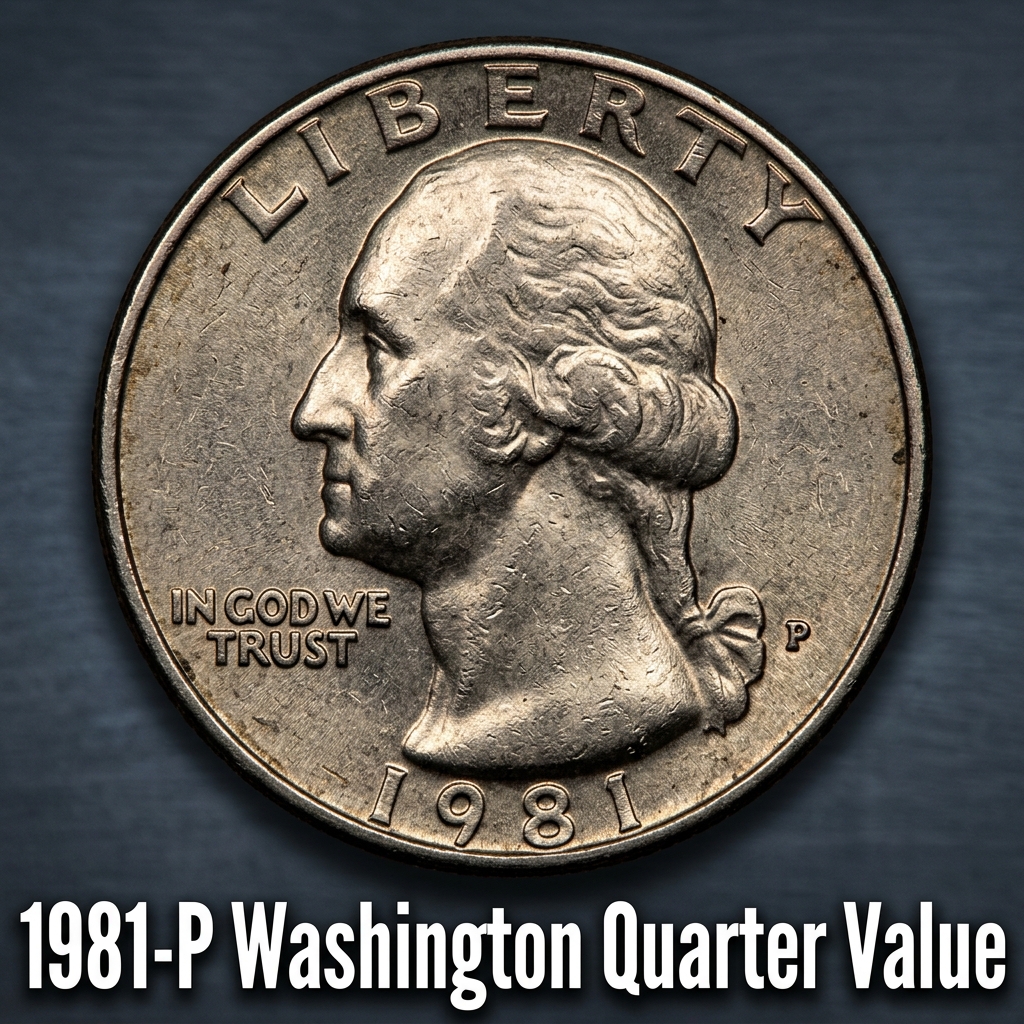
The 1981-P Washington Quarter is worth anywhere from 25 cents in heavily worn condition to over $15 or more in uncirculated mint state grades — and certain high-grade examples have sold for significantly more at auction. If you found one of these quarters in your pocket change or an old coin jar, you’re in the right place to find out what it’s actually worth.
Finding an old quarter with a “P” mintmark can be exciting, especially if you’re new to coin collecting. The good news is that even common coins like the 1981-P can have surprising value depending on their condition. If you’re not sure where to start, a free coin identifier app can help you quickly figure out what you’ve got before you do any deeper research. Whether you’re a curious beginner or a seasoned collector, understanding the details behind this coin will help you make smarter decisions.
What Is the 1981-P Washington Quarter?
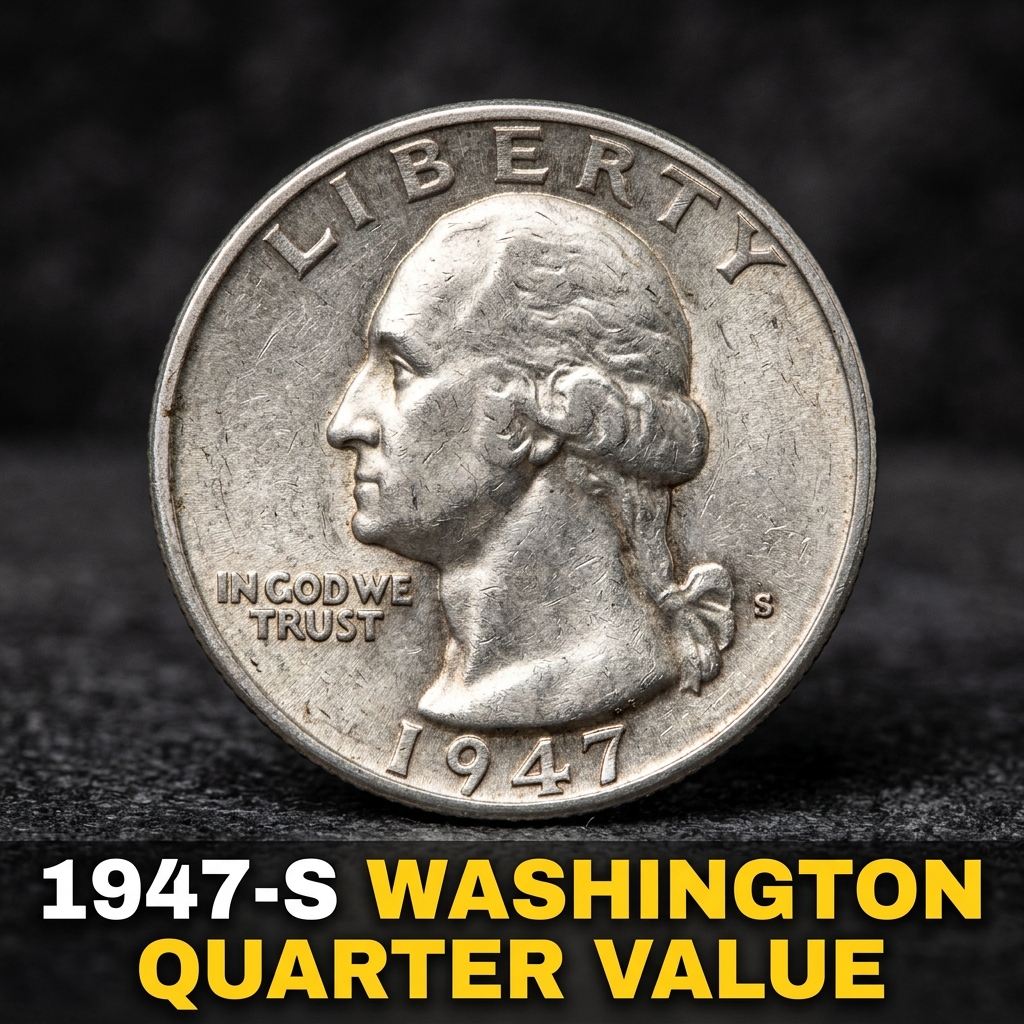
The 1981-P Washington Quarter was struck at the Philadelphia Mint in 1981. The “P” mintmark — which appears on the obverse (front) of the coin just to the right of Washington’s portrait — has only been used on quarters since 1980, so this was still relatively new at the time.
The coin is made of a copper-nickel clad composition, meaning it has a pure copper core sandwiched between outer layers of 75% copper and 25% nickel. It weighs 5.67 grams and measures 24.3 mm in diameter — the same specs used for quarters today.
In 1981, the Philadelphia Mint produced over 601 million of these quarters, making them extremely common in circulation. High mintage numbers generally mean lower values for circulated examples, but condition is still everything when it comes to what a coin is actually worth.
1981-P Washington Quarter Value by Grade
Coin value is almost entirely determined by condition, also known as “grade.” A quarter pulled straight from pocket change is likely worn down and worth face value. But one that was saved in a roll or stored carefully can be worth real money to collectors.
Here’s a general value guide for the 1981-P Washington Quarter:
| Grade | Description | Estimated Value |
|---|---|---|
| Good (G-4) | Heavy wear, flat details | $0.25 (face value) |
| Fine (F-12) | Moderate wear, some detail visible | $0.25–$0.50 |
| Extremely Fine (EF-40) | Light wear on high points | $0.50–$1.00 |
| Uncirculated (MS-63) | No wear, minor contact marks | $2–$5 |
| Gem Uncirculated (MS-65) | Excellent luster, few marks | $8–$15 |
| Superb Gem (MS-67+) | Near perfect, strong luster | $50–$200+ |
For a more detailed breakdown with up-to-date auction data, check out the 1981-P Washington Quarter price chart by grade on CoinHix — it’s one of the most reliable references for tracking real market values.
Are Any 1981-P Quarters Worth Big Money?
For most people, a 1981-P quarter from change is just worth 25 cents. But here’s where things get interesting for collectors.
High-grade examples graded MS-67 or MS-68 by professional grading services like PCGS or NGC can sell for hundreds of dollars — sometimes more at major auction houses. The rarity isn’t in the mintage number but in the condition. Finding a perfectly preserved 1981-P quarter that grades at that level is genuinely rare.
There are also a few known error coins from this year that can command premiums. Off-center strikes, doubled dies, and clipped planchet errors can make an otherwise common quarter worth $20, $50, or even more depending on the severity and demand. Always inspect your coins under good lighting before assuming they’re ordinary.
CoinHix is a great tool to look up recent sale prices for high-grade or error versions of this coin, so you know exactly what the market is paying right now.
How to Tell If Your 1981-P Quarter Is Worth More
Start by checking the coin’s surface under a magnifying glass or loupe. Look for full, sharp details on Washington’s hair above the ear — that’s one of the first areas to show wear. The eagle’s breast feathers on the reverse are another telltale sign of grade.
Next, check the coin’s luster. Uncirculated coins have a cartwheel-like sheen that reflects light as you tilt them. Circulated coins look flat or dull by comparison. If your quarter has bright, unbroken luster and no visible scratches, it could be worth having it professionally graded.
You can also find detailed 1981-P quarter value information and comparisons at this complete 1981 quarter value guide — it covers all three mint varieties for that year and gives you the full picture.
For quick identification on the go, CoinHix lets you scan your coins and get instant grade estimates and price ranges — a handy tool whether you’re at a flea market or going through grandma’s old coin jars.
FAQ About the 1981-P Washington Quarter
Q: Is a 1981-P Washington Quarter rare?
A: No, the 1981-P quarter is not rare — over 601 million were minted. However, finding one in high uncirculated grades (MS-67 or better) is genuinely uncommon, and those coins can be worth significant money to collectors.
Q: What does the “P” mintmark mean on a 1981 quarter?
A: The “P” stands for the Philadelphia Mint, where the coin was struck. Philadelphia only began adding the “P” mintmark to quarters in 1980, so 1981 was only the second year this appeared on these coins.
Q: Should I clean my 1981-P quarter to make it look better?
A: Never clean a coin if you want it to retain its collector value. Cleaning removes the natural surface patina and luster, which dramatically reduces a coin’s grade and resale value. Leave it as-is and let a professional assess it in its original condition.