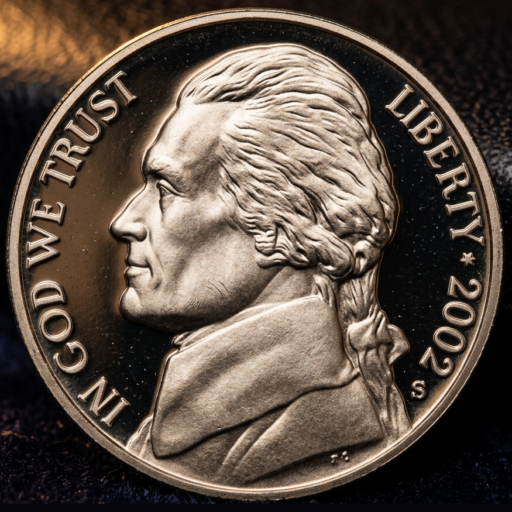
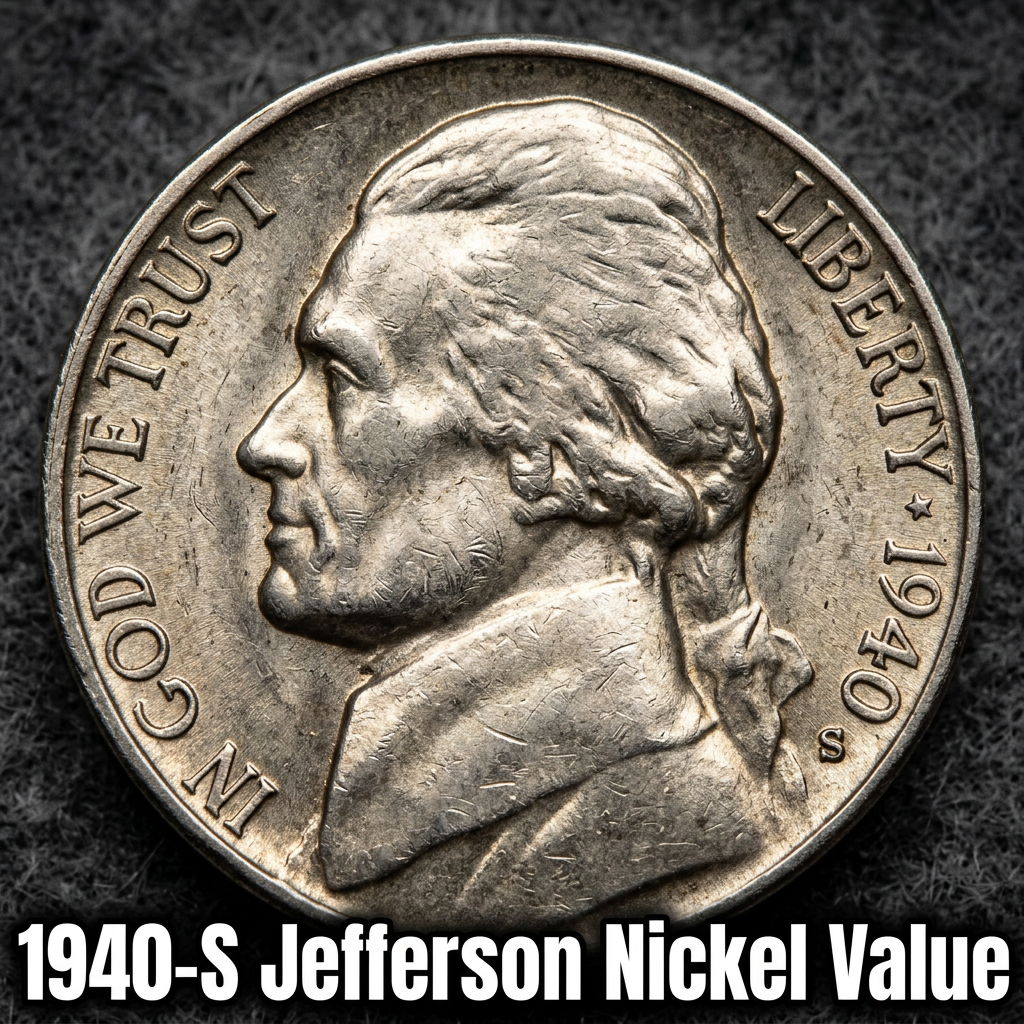
The 1940-S Jefferson Nickel is worth anywhere from $0.25 in heavily worn condition to over $100 in top mint state grades. If you found one of these coins in an old jar or inherited collection, you might be sitting on more than pocket change — especially if it looks sharp and well-preserved.
What Makes the 1940-S Jefferson Nickel Special
The “S” mintmark on this coin tells you it was made at the San Francisco Mint in 1940. During this era, the United States was still climbing out of the Great Depression, and coins were made to circulate — meaning most of them got heavily used.
The 1940-S had a mintage of around 39,690,000 coins, which is fairly common by collector standards. But that doesn’t mean every example is worth the same. Condition is everything in the world of coin collecting, and even a common coin can command serious money if it’s in pristine shape.
If you’ve got one in your hands right now and want a quick answer, using a free coin identifier app is a fast way to get a rough estimate without having to dig through price guides manually.
1940-S Jefferson Nickel Value by Grade
The value of your 1940-S nickel depends heavily on its grade, which is basically a number from 1 to 70 that describes its condition. Coins are graded on the Sheldon scale, and even a few points can make a big difference in price.
Here’s a breakdown of approximate retail values:
| Grade | Condition Description | Estimated Value |
|---|---|---|
| G-4 (Good) | Heavily worn, details visible | $0.25 – $0.50 |
| VF-20 (Very Fine) | Moderate wear, clear design | $0.75 – $1.50 |
| EF-40 (Extremely Fine) | Light wear on high points | $2 – $5 |
| MS-63 (Mint State) | Uncirculated, some marks | $15 – $30 |
| MS-65 (Gem Mint State) | Sharp strike, minimal marks | $40 – $75 |
| MS-67+ (Superb) | Near perfect, exceptional luster | $100+ |
For the most up-to-date market prices on this coin, you can check out current 1940-S Jefferson Nickel auction and sale prices in mint state grades — it pulls real data from recent transactions.
How to Tell If Your 1940-S Nickel Is Worth More
Beyond grade, there are a few things that can push the value of a 1940-S Jefferson Nickel higher than average. One of the biggest factors is full steps (FS) — a designation given to coins where the steps on Monticello (Jefferson’s home on the reverse) are fully struck and clearly visible.
Full Steps coins are rare because the design was notoriously difficult to strike cleanly. Even in uncirculated grades, many 1940-S nickels don’t have complete steps. If yours does, you could be looking at a coin worth 3 to 5 times more than the standard price.
Also look for any doubled die errors or repunched mintmarks, which can add collector premiums. A loupe or magnifying glass is your friend here. CoinHix makes it easy to check if your coin matches any known varieties — their database includes error coin information so you can cross-reference what you’re seeing.
Where to Sell Your 1940-S Jefferson Nickel
Once you have a good idea of what your coin is worth, your next step is finding the right place to sell it. Options include eBay, local coin shows, coin dealers, or online auction platforms.
For circulated examples in average condition, don’t expect more than a dollar or two — dealers aren’t paying premium prices for common-grade coins. But for higher-grade examples, it’s worth getting a professional opinion or even submitting to PCGS or NGC for certification before selling.
If you’re not sure where to start, CoinHix is a great tool for understanding current market values before you walk into a coin shop. Knowing your numbers going in puts you in a much stronger position.
You can also explore a detailed breakdown of 1940 nickel values by mint mark and grade to compare the S-mint coin against its Philadelphia and Denver counterparts.
Is the 1940-S Jefferson Nickel Worth Keeping
For most people who found this coin in pocket change or a family collection, the answer depends on condition. A worn example is historically interesting but not financially significant. A sharp, uncirculated specimen — especially one with Full Steps — is absolutely worth holding onto or selling through the right channel.
Jefferson Nickels from the early series (1938–1942) are popular among collectors because they’re affordable and historically connected to the pre-war era. The 1940-S is a solid coin that fits into many collections.
Whether you’re a seasoned collector or someone who just found an old nickel at the bottom of a drawer, CoinHix gives you the real-time pricing tools to make smart decisions about your coins.
—
FAQ
Q: How do I find the mintmark on a 1940-S Jefferson Nickel?
A: Look on the reverse side of the coin, to the right of Monticello. You’ll see a small “S” indicating it was minted in San Francisco. On pre-1968 Jefferson Nickels, the mintmark is on the reverse rather than the obverse.
Q: What does Full Steps mean and does my coin have it?
A: Full Steps (FS) refers to five or six clearly visible, uninterrupted steps on the base of Monticello on the coin’s reverse. It’s a strike quality designation that significantly raises value. Examine the steps under magnification — if they’re sharp and unbroken, you might have an FS coin worth getting graded.
Q: Is a 1940-S nickel made of silver?
A: No. Standard 1940-S Jefferson Nickels are made of 75% copper and 25% nickel. The famous “War Nickels” with silver content weren’t introduced until 1942. So if you’re hoping for a silver coin, you’ll need to look at 1942-P through 1945 issues with a large P, D, or S mintmark on top of Monticello.