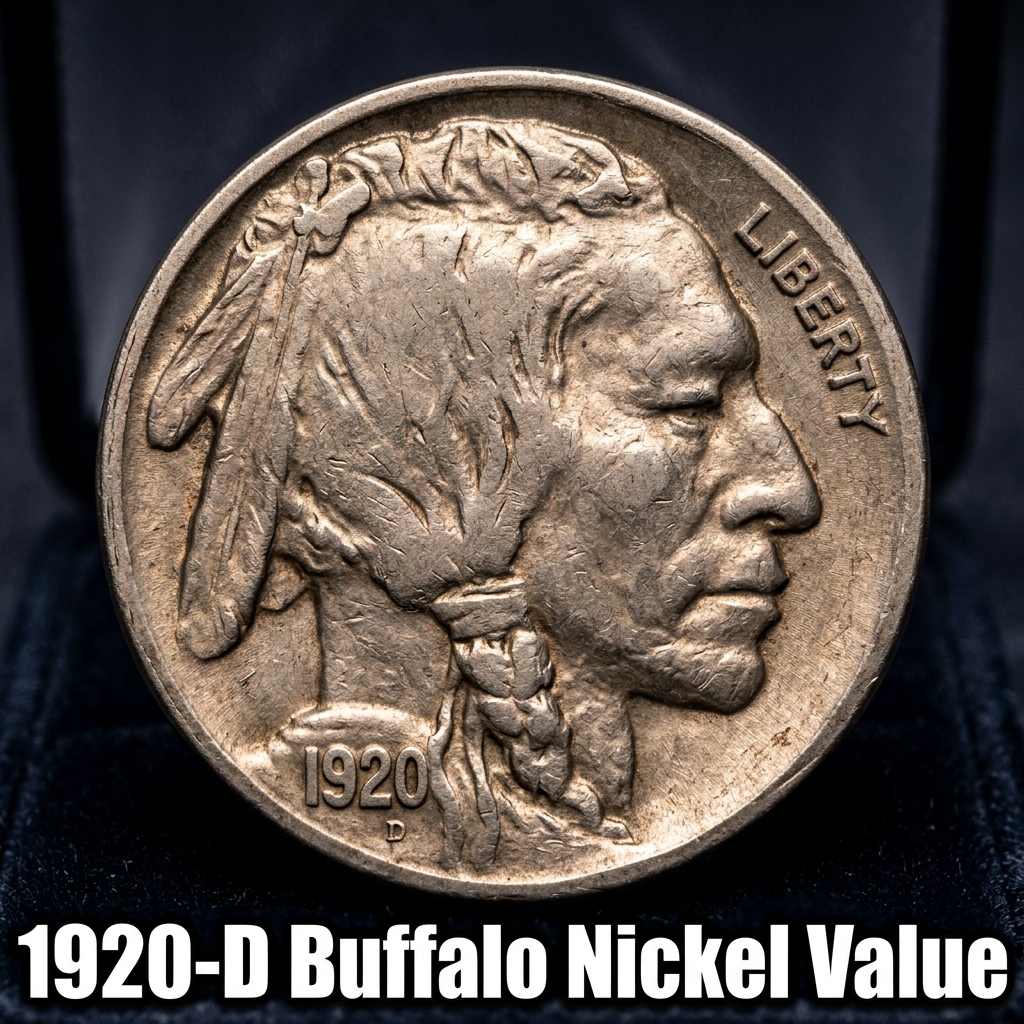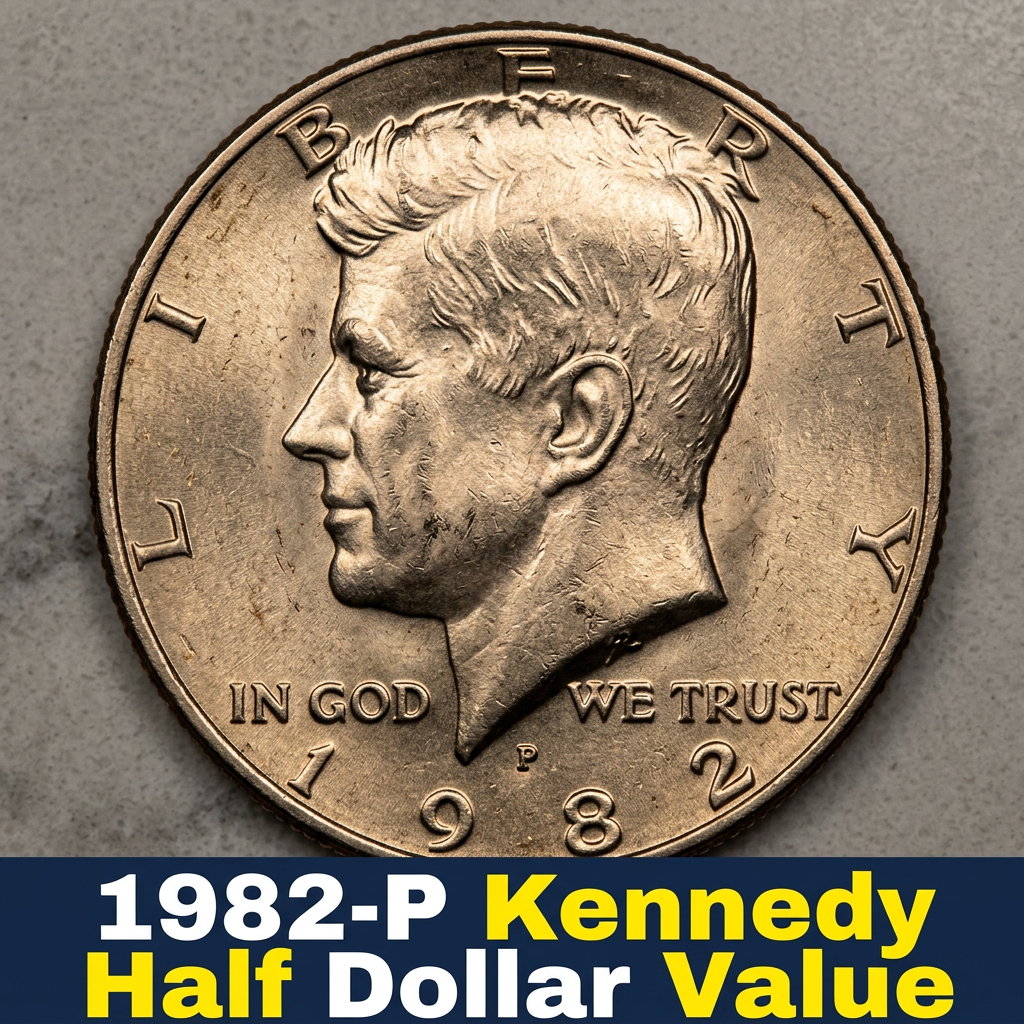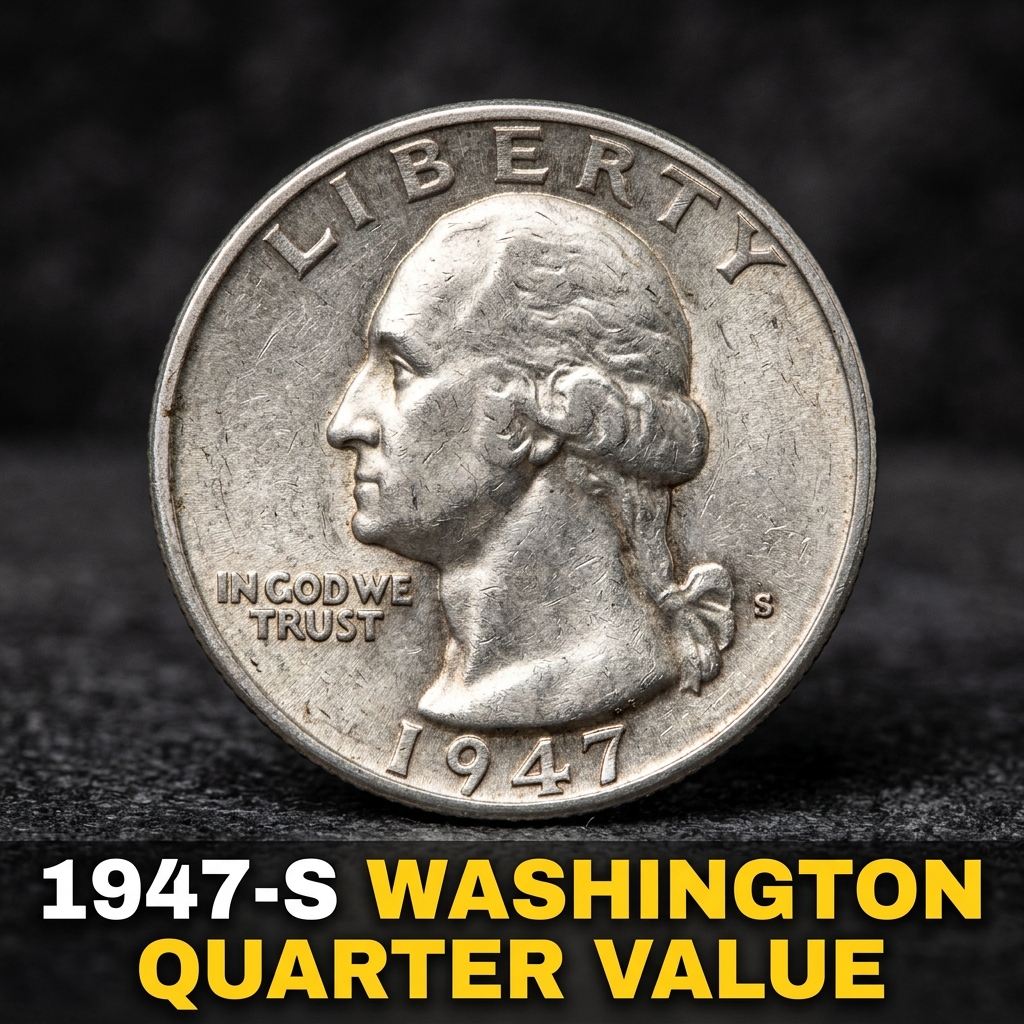
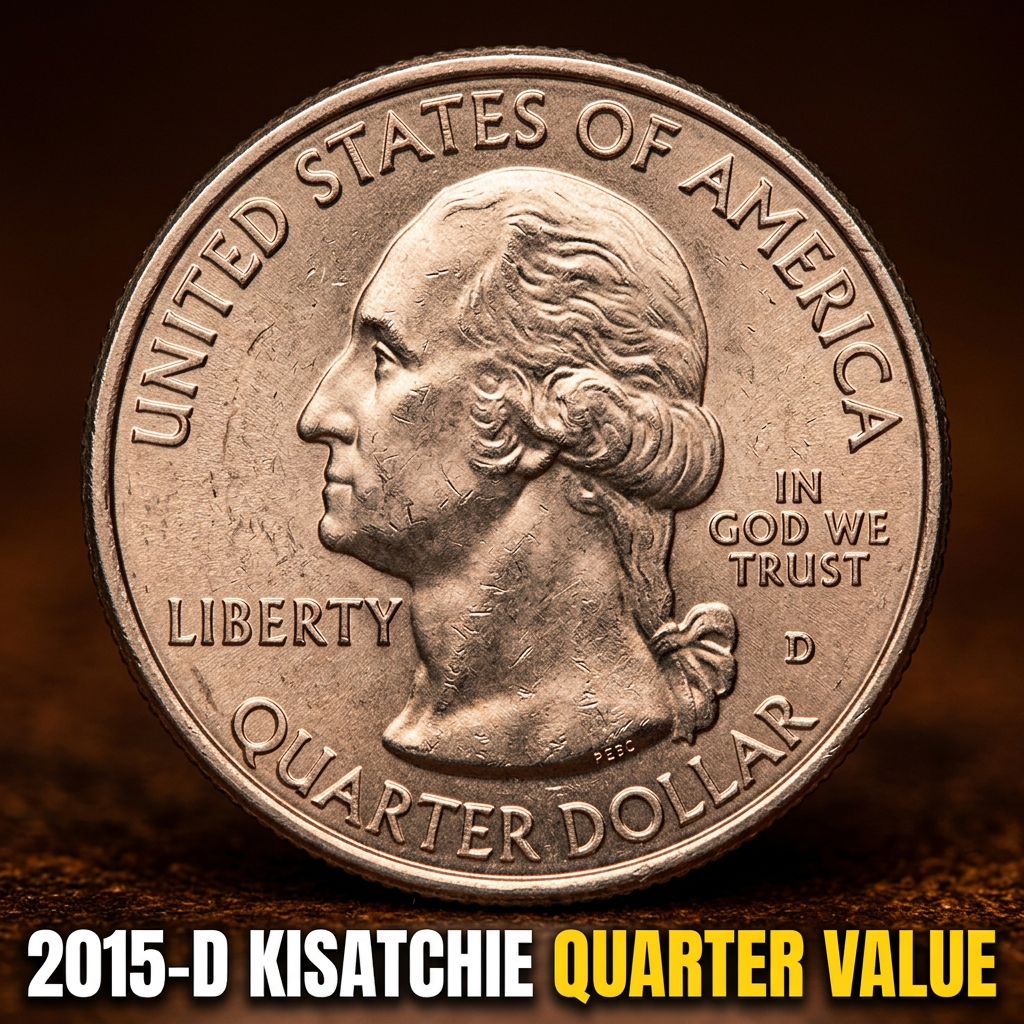
The 2015-D Kisatchie Quarter is worth anywhere from face value (25 cents) in circulated condition to over $15 or more in higher mint state grades — and certain rare error coins can fetch even higher prices among collectors. If you pulled one of these out of your pocket change and are wondering whether it’s a keeper, you’ve come to the right place.
Whether you’re a first-time coin hunter or just curious about what’s jingling around in your spare change jar, this guide will walk you through everything you need to know about the 2015-D Kisatchie Quarter’s value, what makes some worth more than others, and how to tell the difference.
Before diving in, if you want a quick way to identify and value coins at home, try using a free coin identifier app — it can save you a lot of guesswork and help you figure out what you’ve got in seconds.
What Is the 2015-D Kisatchie Quarter?
The 2015-D Kisatchie Quarter is part of the America the Beautiful Quarters® Program, a U.S. Mint series that ran from 2010 to 2021. Each year, five different national parks and sites were honored on the reverse side of the quarter. In 2015, one of those sites was Kisatchie National Forest in Louisiana — making this coin a beautiful tribute to one of the South’s most treasured natural landscapes.
The “D” in the coin’s name tells you it was struck at the Denver Mint. Denver produced hundreds of millions of these quarters for general circulation. The obverse (front) features the classic portrait of George Washington, while the reverse shows a stunning scene from the Louisiana forest.
Because so many were made, most 2015-D Kisatchie Quarters in everyday condition aren’t rare — but that doesn’t mean they’re worthless to collectors, especially in top condition.
How Much Is the 2015-D Kisatchie Quarter Worth Today?
The value of a 2015-D Kisatchie Quarter depends heavily on its condition, or “grade” in collector terms. A well-worn coin from circulation might only be worth face value, while an uncirculated specimen in gem condition can bring a nice premium.
Here’s a general value breakdown:
| Condition / Grade | Estimated Value |
|---|---|
| Circulated (worn) | Face value – $0.25 |
| Uncirculated (MS-60 to MS-63) | $1 – $3 |
| Gem Uncirculated (MS-65) | $5 – $10 |
| Superb Gem (MS-67 or higher) | $15 – $50+ |
| Error Coins (varies) | $50 – $200+ |
For a more detailed look at graded America the Beautiful Quarter price data across mint state grades, you can explore certified auction records to see what similar coins have sold for recently.
What Affects the Value of Your 2015-D Kisatchie Quarter
Several key factors influence how much your coin is actually worth. The most important is condition. Coins that have never been spent — pulled straight from mint rolls or bags — are called uncirculated. These coins have no wear, retain their original luster, and are far more desirable to collectors.
Strike quality also matters. Some quarters came out of the Denver Mint with exceptional detail and sharpness, while others were lightly struck. A coin with a full, crisp design commands a higher price.
Eye appeal plays a role too. Coins with natural, attractive toning (subtle rainbow or golden colors) can actually sell for more than typical examples of the same grade.
Finally, certification by a professional grading service like PCGS or NGC can significantly increase buyer confidence and market value, especially for coins in MS-65 or higher grades.
Are There Any Rare 2015-D Kisatchie Quarter Errors?
Yes — error coins are where things get exciting. While most 2015-D Kisatchie Quarters are common, a small number were struck with minting mistakes that make them worth far more than a regular example.
Some errors to watch for include:
Double Die Obverse or Reverse – Look for doubling in the lettering, date, or design elements when examined under magnification.
Off-Center Strikes – Part of the design is missing because the blank wasn’t centered properly during striking.
Die Caps and Brockages – Rare and dramatic errors that produce coins with unusual shapes or mirror impressions.
Clipped Planchets – The metal blank was cut incorrectly, giving the coin a curved or straight clipped edge.
If you think you have an error coin, get it looked at by a professional before spending it. Even a small error can turn a 25-cent coin into a $100+ collector’s item. CoinHix is a great resource for quickly comparing your coin against known error varieties and market prices.
Should You Hold On to Your 2015-D Kisatchie Quarter?
If your coin looks clean, shiny, and like it’s never been used, it’s worth holding onto. Gem-quality examples of America the Beautiful Quarters are becoming harder to find as the series ages, and collector interest continues to grow.
You can check current 2015 quarter values and what collectors are paying right now to see if the market has shifted in your favor.
If you’re not sure about your coin’s grade or authenticity, CoinHix makes it easy to research recent sales, compare grades, and understand what your coin is actually worth in today’s market — no guesswork needed.
—
FAQ About the 2015-D Kisatchie Quarter
Q: How many 2015-D Kisatchie Quarters were made?
A: The Denver Mint produced approximately 214,400,000 Kisatchie National Forest Quarters in 2015. That’s a high mintage, which is why most circulated examples are only worth face value. However, truly high-grade specimens (MS-67 and above) are still scarce and collectible.
Q: Is the 2015-D Kisatchie Quarter silver?
A: No. Standard circulation 2015-D Kisatchie Quarters are made of copper-nickel clad, not silver. However, the U.S. Mint did produce a special 90% silver version as part of its annual silver proof sets. Those silver versions can be worth $8 to $20 or more depending on silver prices and condition.
Q: How can I tell if my 2015-D Kisatchie Quarter is worth grading?
A: Look at the coin under good lighting. If it shows bright, original luster with no visible wear, scratches, or bag marks, it may be worth submitting to PCGS or NGC for professional grading. You can also use CoinHix to research what MS-65 and higher examples have sold for recently — if the premium is significant, grading could be worth the investment.