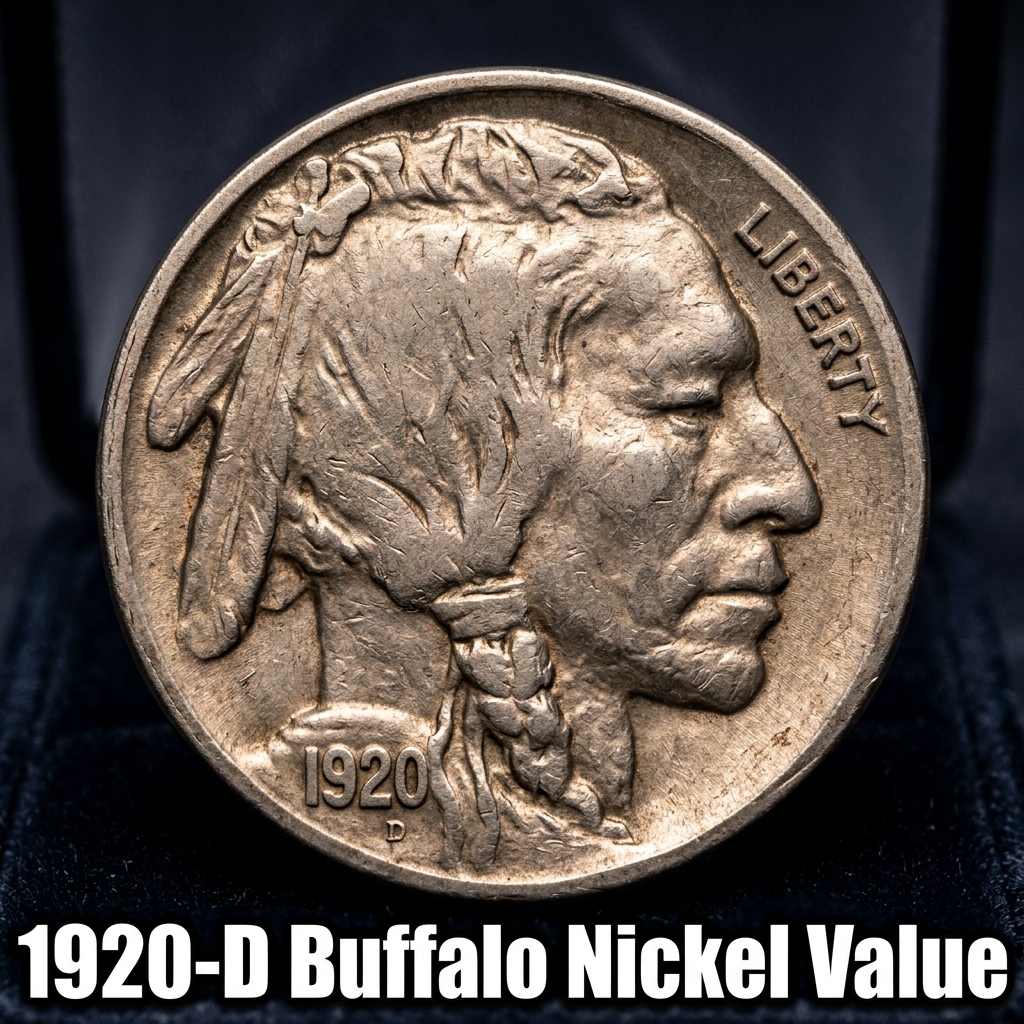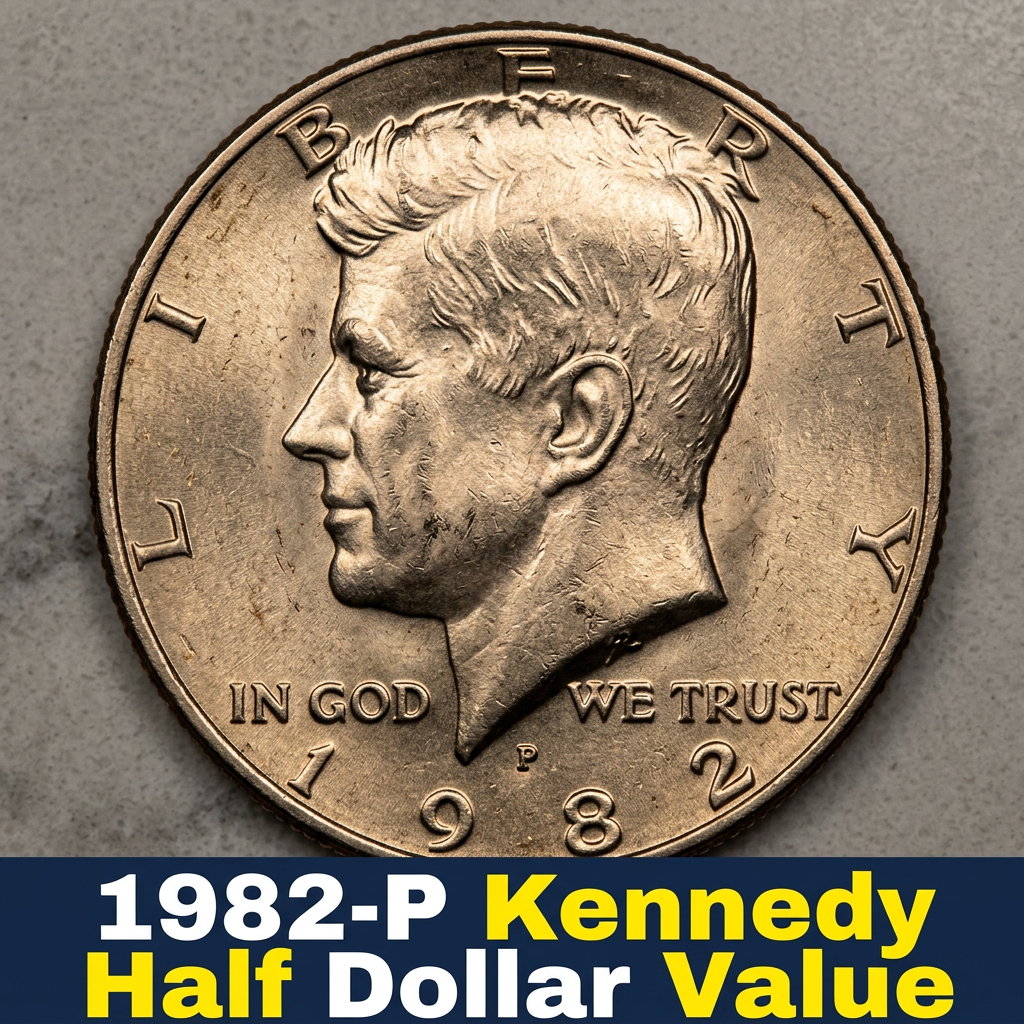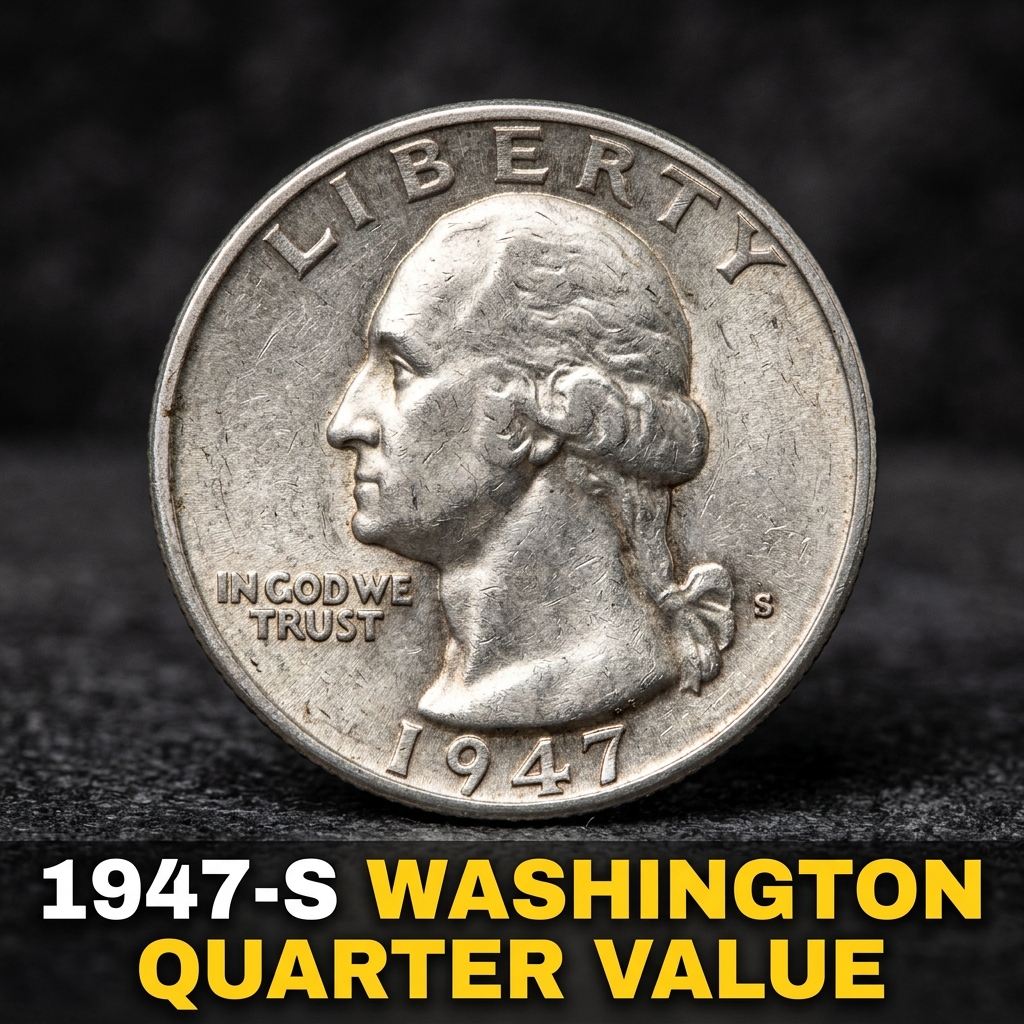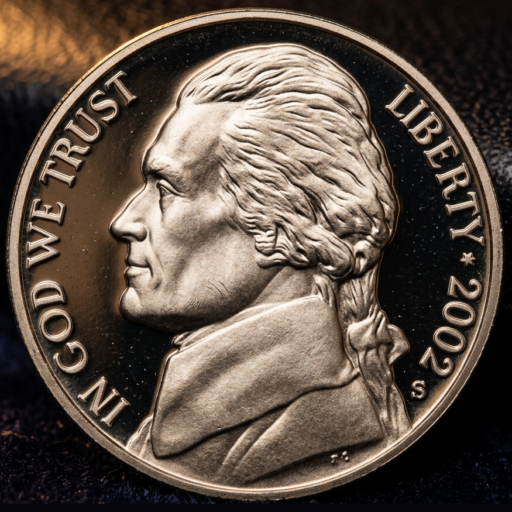
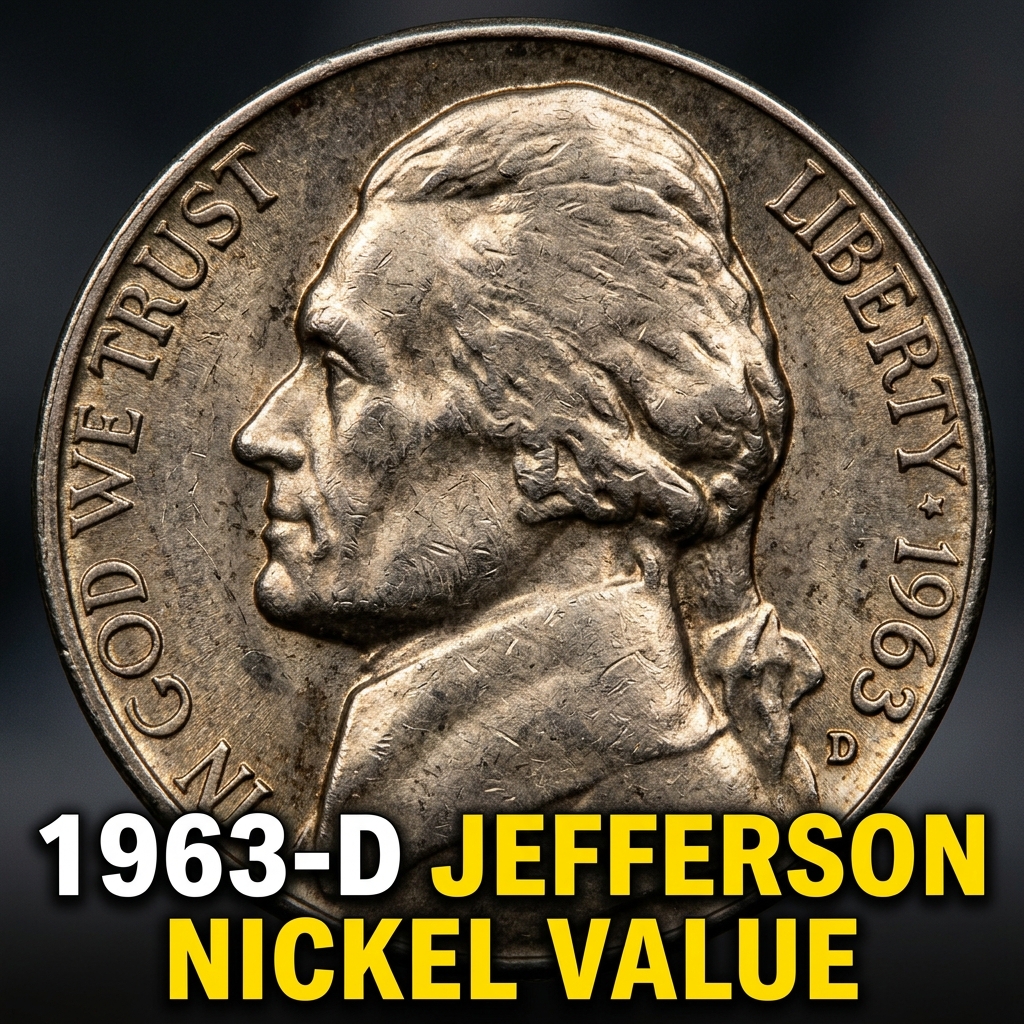
The 1963-D Jefferson Nickel is worth anywhere from 5 cents in heavily worn condition to over $100 in pristine mint state — and a few exceptional examples have sold for even more at auction. If you found one of these coins in an old jar or coin roll, you’re in the right place to find out exactly what it’s worth.
What Is the 1963-D Jefferson Nickel?
The 1963-D Jefferson Nickel was struck at the Denver Mint, which is why you’ll see a small “D” mintmark on the reverse side of the coin, just to the right of Monticello. Denver produced over 276 million of these nickels in 1963, making it one of the higher-mintage coins of that era.
Because so many were made, most circulated examples aren’t rare. But condition is everything in the coin world — and even a common date like this one can be worth real money if it’s been well-preserved.
If you’re not sure what you’re holding, a free coin identifier app can help you quickly figure out the date, mintmark, and approximate grade right from your phone. It’s a fast and easy way to get started before you dig deeper.
How Much Is a 1963-D Jefferson Nickel Worth?
Value depends almost entirely on the coin’s grade — meaning how much wear it shows. A coin that spent decades in someone’s pocket will look very different from one that was saved straight from the roll.
Here’s a general breakdown of what you can expect:
| Grade / Condition | Description | Estimated Value |
|---|---|---|
| Good (G-4) | Heavy wear, design visible | $0.10 – $0.25 |
| Fine (F-12) | Moderate wear, details clear | $0.25 – $0.50 |
| Extremely Fine (EF-40) | Light wear on high points | $0.75 – $2.00 |
| Uncirculated (MS-63) | No wear, some bag marks | $3 – $10 |
| Gem Uncirculated (MS-65) | Sharp strike, excellent luster | $15 – $40 |
| Superb Gem (MS-67+) | Near-perfect, top registry | $75 – $150+ |
For the most current auction results and graded coin sales, check out this detailed price data for the 1963-D Jefferson Nickel in mint state grades — it’s updated regularly so you’re always seeing real market values.
What Makes a 1963-D Nickel More Valuable?
Not all 1963-D nickels are created equal. Several factors can push the value higher than the average.
Full Steps (FS) is one of the most important designations to know. On Jefferson Nickels, graders look at the steps on Monticello on the reverse. If five or six complete steps are clearly visible with no breaks or fading, the coin earns a “Full Steps” designation — and that can multiply its value several times over. A 1963-D nickel graded MS-65 Full Steps can be worth $80 or more, compared to $15–$25 for a non-FS coin of the same grade.
Strike quality also matters. Some coins from this era came out of the press with soft or mushy details. A sharply struck example with crisp lettering and bold design features is always more desirable to collectors.
Luster and eye appeal — the way a coin catches the light — can make a big difference in what a buyer is willing to pay, especially for uncirculated coins.
Should You Get It Graded?
If your 1963-D nickel looks like it was never circulated — if it still has that original shine and no signs of wear — it might be worth having it professionally graded by PCGS or NGC.
Grading typically costs $20 to $40 per coin, so it only makes financial sense for coins that could grade MS-65 or higher. For most worn examples, the value won’t justify the expense.
A good first step is to use CoinHix to research comparable sales. CoinHix tracks real auction data from major platforms so you can see exactly what coins like yours have sold for recently. It’s especially helpful when you’re trying to decide whether a coin is worth the investment of professional grading.
You can also explore a full breakdown of 1963 nickel values by grade and variety to compare circulated and uncirculated examples side by side before making any decisions.
How to Check Your Coin at Home
You don’t need fancy equipment to do a basic evaluation. Here’s a simple process:
Look at the coin under good lighting — natural light or a bright lamp works well. Tilt it back and forth and look for original cartwheel luster (a rolling shine across the surface). If you see that, you likely have an uncirculated coin.
Check the steps of Monticello on the reverse with a loupe or magnifying glass. Count how many steps are complete with no breaks between them. Five or more sharp steps? That’s a good sign.
Then use CoinHix or another price guide to look up recent sales for similar coins. That gives you a realistic expectation before you take it to a dealer or list it for sale.
FAQ
Q: How do I know if my 1963-D nickel has Full Steps?
A: Flip the coin over and look at the base of Monticello. There should be five or six horizontal lines (steps) visible. If all five are sharp and unbroken across their full width, it qualifies as Full Steps. A magnifying glass makes this much easier to see.
Q: Is a 1963-D Jefferson Nickel made of silver?
A: No. Regular 1963-D nickels are made of 75% copper and 25% nickel — no silver at all. The only Jefferson Nickels that contain silver are the “War Nickels” made from 1942 to 1945. Those have a large mintmark above Monticello and contain 35% silver.
Q: Where can I sell my 1963-D Jefferson Nickel?
A: For circulated coins in average condition, a local coin dealer or coin show is your easiest option. For higher-grade or Full Steps examples, eBay or major auction houses like Heritage Auctions will get you better prices. Always look up recent sold listings first so you know what a fair price looks like — tools like CoinHix make that quick and easy.