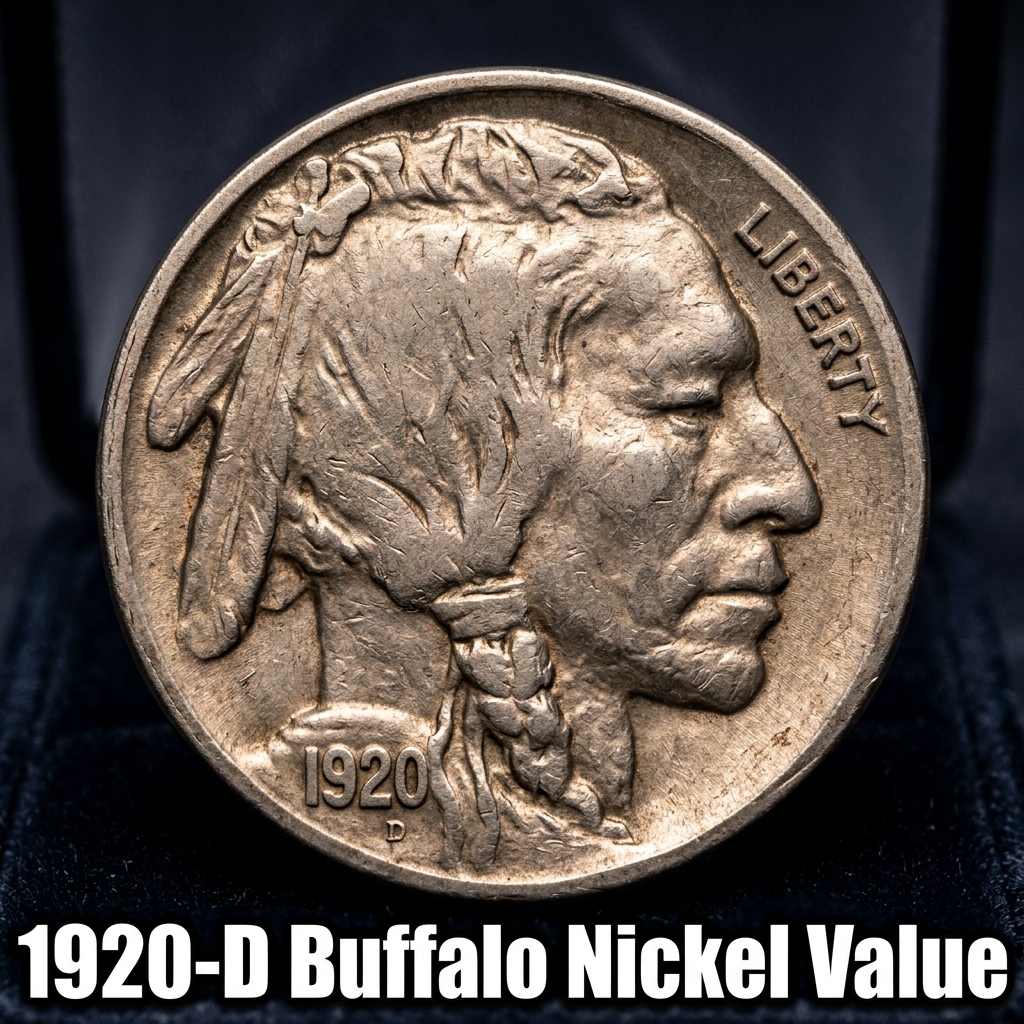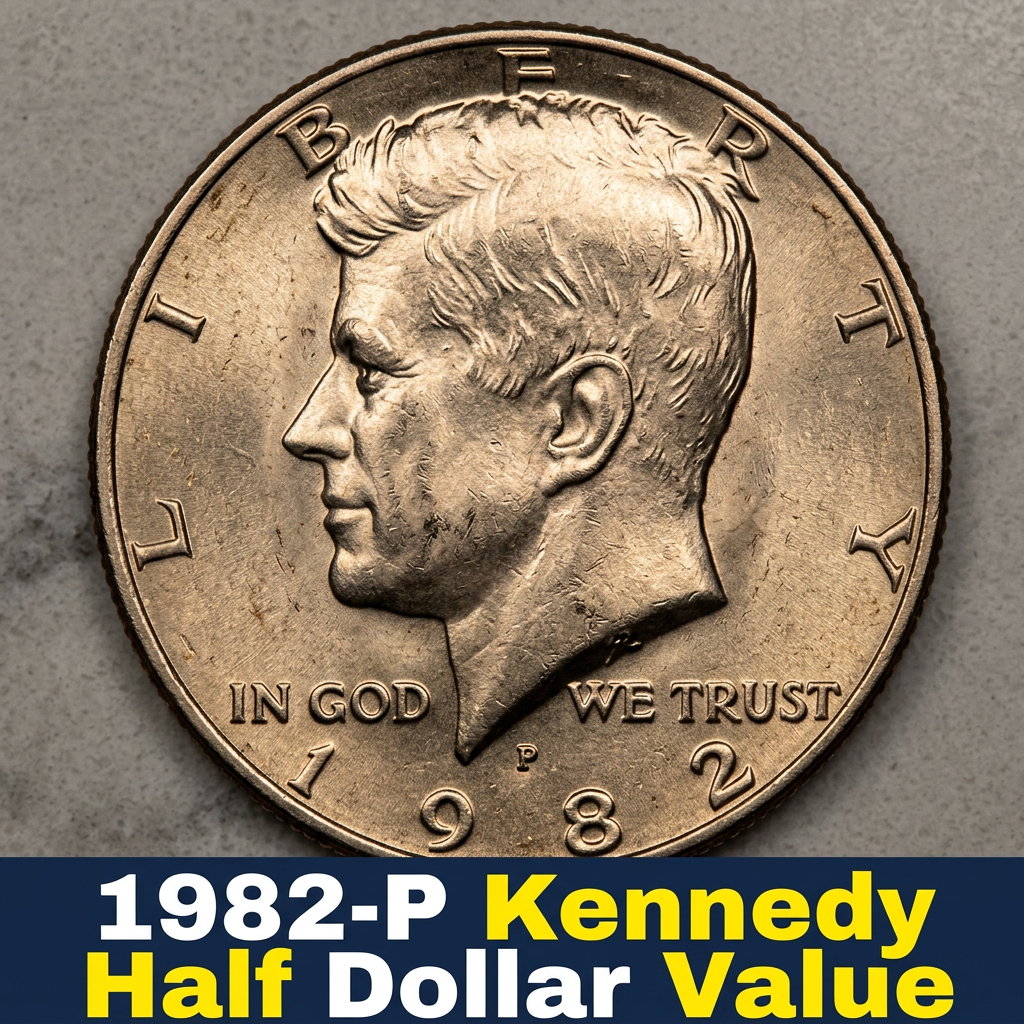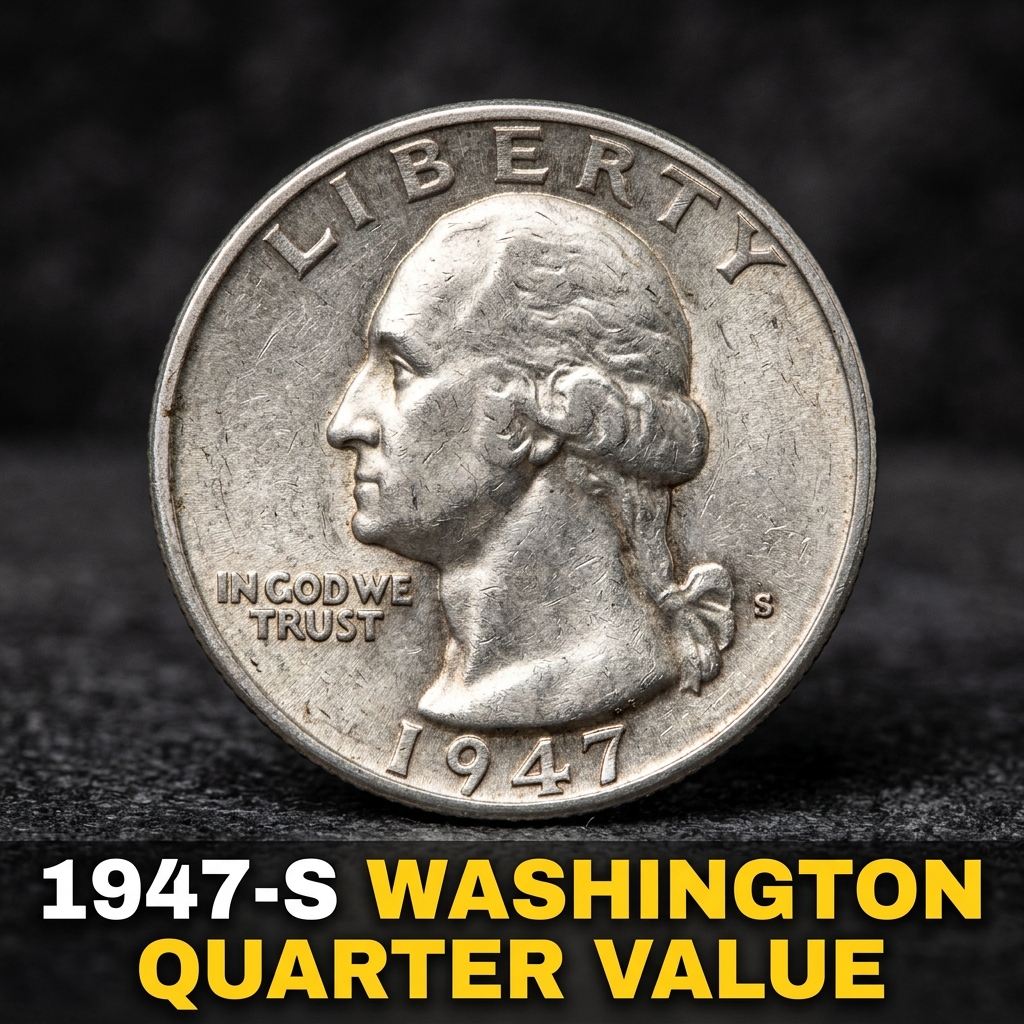
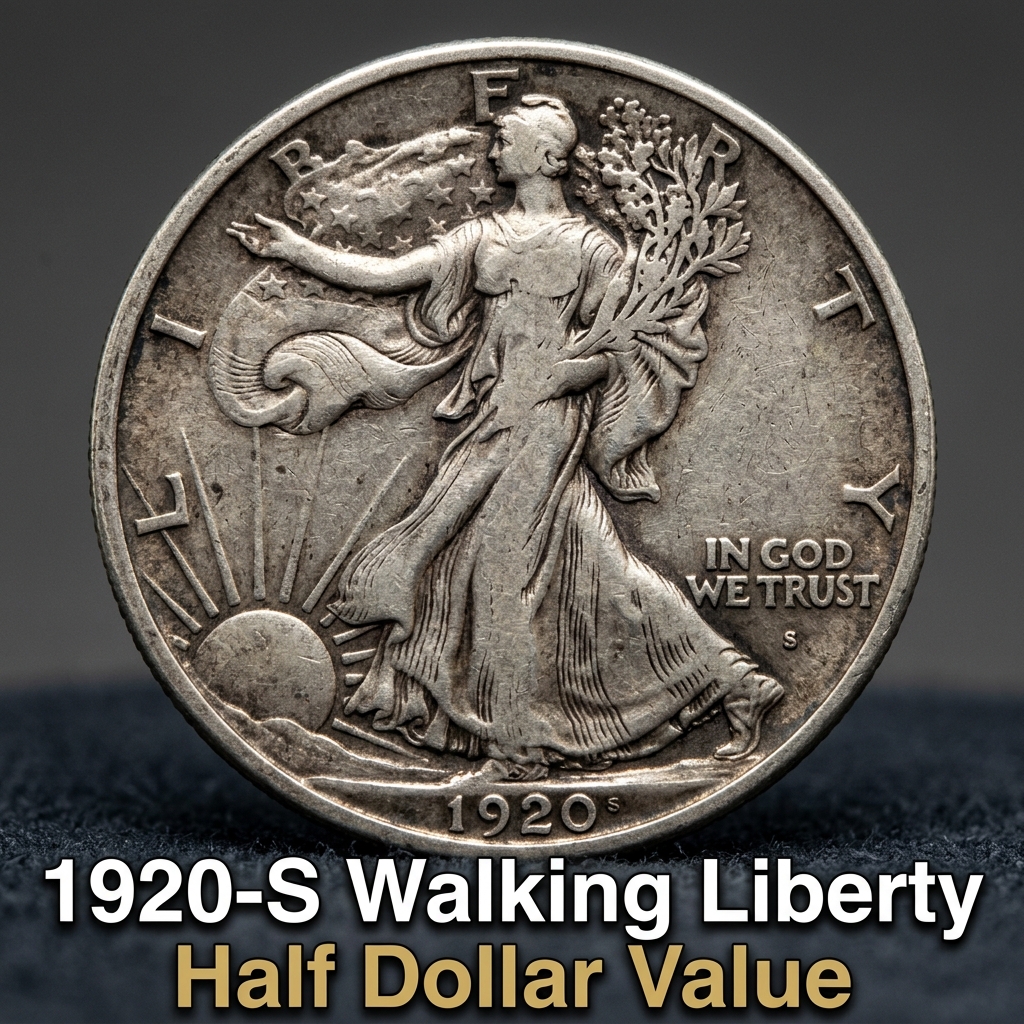
The 1920-S Walking Liberty Half Dollar is worth anywhere from $20 in heavily worn condition to over $1,500 or more in high mint state grades. If you found one of these beautiful silver coins tucked away in an old collection or grandparent’s drawer, you may be sitting on a surprisingly valuable piece of American history.
What Makes the 1920-S Walking Liberty Half Dollar Special
The Walking Liberty Half Dollar series is widely considered one of the most beautiful coin designs ever produced by the U.S. Mint. Designed by Adolph A. Weinman, the obverse features Lady Liberty striding confidently toward the sunrise, draped in an American flag. It’s a powerful, artistic design that collectors have admired for over a century.
The “S” mintmark on the 1920-S tells you this coin was struck at the San Francisco Mint. In 1920, the San Francisco Mint produced 4,624,000 of these half dollars — a relatively modest mintage compared to some other years in the series.
That moderate production number, combined with the coin’s age and silver content (90% silver, 0.3617 troy ounces), makes the 1920-S a coin worth paying close attention to. If you’re not sure what you have, a free coin identifier app can help you quickly confirm the date, mintmark, and condition before you do anything else.
1920-S Walking Liberty Half Dollar Value by Grade
Coin value is almost entirely driven by condition. A coin that looks barely used is worth dramatically more than one that’s been passed through many hands. Here’s a general breakdown of what collectors and dealers are currently paying for the 1920-S:
| Grade | Description | Estimated Value |
|---|---|---|
| Good (G-4) | Heavy wear, major details visible | $20 – $25 |
| Very Good (VG-8) | Moderate wear, design clear | $28 – $35 |
| Fine (F-12) | Light to moderate wear | $40 – $55 |
| Very Fine (VF-20/30) | Light wear on high points | $65 – $120 |
| Extremely Fine (EF-40) | Slight wear, sharp details | $150 – $220 |
| About Uncirculated (AU-50) | Trace wear only | $280 – $400 |
| Mint State (MS-60 to MS-63) | No wear, some marks | $500 – $900 |
| Mint State (MS-65+) | Gem quality, near perfect | $1,500+ |
For the most up-to-date pricing data on this coin across different grades, you can check the 1920-S Walking Liberty Half Dollar price records in mint state grades on CoinHix, which tracks real auction results and current market activity.
How to Check the Condition of Your 1920-S Half Dollar
You don’t need to be an expert to get a rough sense of your coin’s grade. Start by looking at the high points of the design — Liberty’s hand, head, and the eagle’s breast feathers on the reverse. If these areas show significant flatness or wear, you’re likely looking at a circulated coin in the Good to Fine range.
If the coin still shows most of its original detail and there’s some shine left, you could be looking at a Very Fine or better example, which puts you in a much more interesting value range.
Lighting matters a lot. Hold the coin under a single light source and tilt it slowly. This helps you see luster (the original “cartwheel” shine from minting) and any wear or contact marks. A coin with original luster is always worth more.
CoinHix is a great tool for comparing your coin’s appearance against graded examples so you can better estimate where yours falls. The app shows side-by-side comparisons of coins at different grade levels.
Silver Value as a Floor Price
One thing that works in your favor with the 1920-S Walking Liberty Half Dollar is the silver content. Every coin in this series contains 0.3617 troy ounces of silver, which means even a heavily worn example has intrinsic metal value.
With silver trading around $28–$30 per troy ounce (as of recent market prices), the raw silver melt value alone sits at roughly $10–$11. In practice, even worn coins in Good condition sell for $20 or more because collectors always pay a small premium above melt.
That means the silver floor gives you a safety net — your coin is never truly “worthless” as long as silver has value.
To get a complete picture of your 1920-S half dollar’s worth, including circulated and uncirculated values with additional context, the detailed 1920 half dollar value breakdown at CoinValueApp is a helpful reference that covers a wide range of conditions.
Should You Get It Graded?
If your coin looks like it’s in About Uncirculated or Mint State condition, professional grading by PCGS or NGC could be worth the investment. A certified MS-63 or higher example can sell for hundreds more than a raw (ungraded) coin of similar appearance because buyers trust the third-party assessment.
For circulated coins in the lower grades, the cost of grading usually doesn’t make financial sense. In that case, selling raw through a local dealer, coin show, or online marketplace is the practical move.
CoinHix can also help you track recent sale prices of graded 1920-S Walking Liberty Half Dollars so you can decide whether submitting for certification makes sense based on current demand.
FAQ
Q: How much is a 1920-S Walking Liberty Half Dollar worth in average circulated condition?
A: In typical circulated grades (Good to Very Fine), expect a value of $20 to $120 depending on how much wear the coin shows. Coins with sharper details and minimal wear fall toward the higher end of that range.
Q: What does the “S” mintmark mean on a 1920 Walking Liberty Half Dollar?
A: The “S” mintmark indicates the coin was struck at the San Francisco Mint. In 1920, three mints produced Walking Liberty Half Dollars — Philadelphia (no mintmark), Denver (D), and San Francisco (S). The mintmark is found on the obverse, near Liberty’s hand.
Q: Is the 1920-S Walking Liberty Half Dollar rare?
A: It’s not considered a rare coin in circulated grades, but it’s not a common date either. With just over 4.6 million minted, it’s moderately available in worn condition. However, high-grade mint state examples (MS-64 and above) are genuinely scarce and command strong premiums among serious collectors.