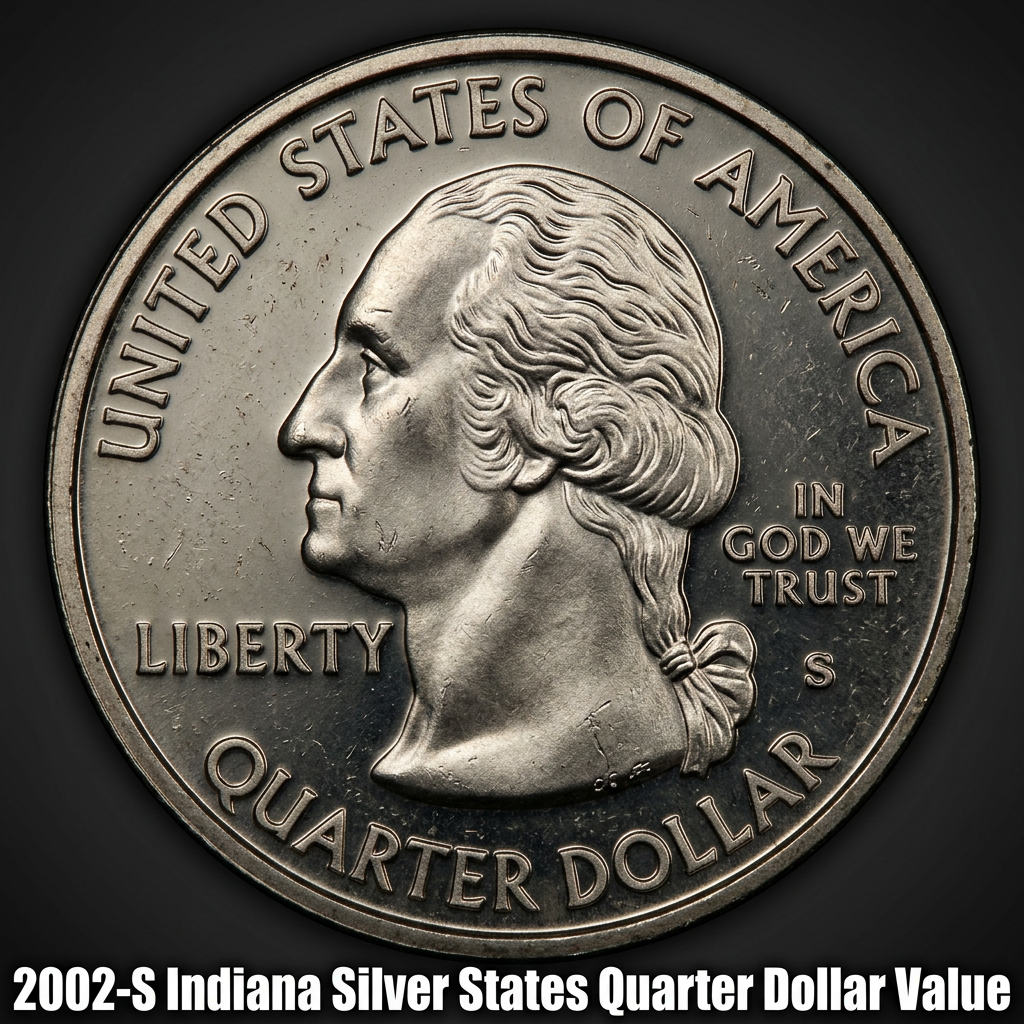
The 2002-S Indiana Silver Quarter is worth anywhere from $5 in average proof condition to over $20 or more for top-graded examples — and some collectors are willing to pay a premium for pristine specimens. If you found one of these in an old collection or proof set, you may be sitting on something more valuable than face value.
What Is the 2002-S Indiana Silver Quarter?
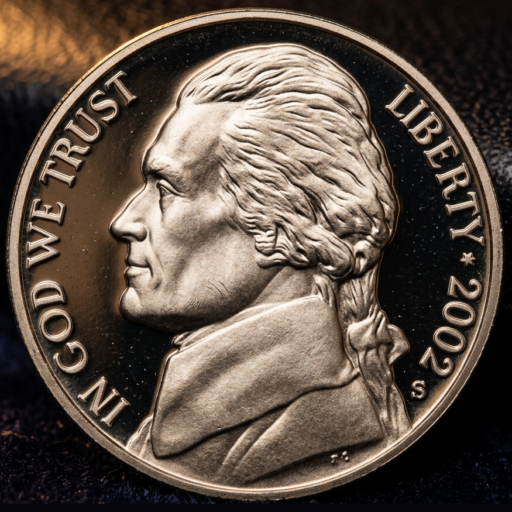
The 2002-S Indiana quarter is part of the famous 50 State Quarters Program, which ran from 1999 to 2008. The “S” mintmark tells you it was struck at the San Francisco Mint — and the silver version was made specifically for collectors, not general circulation.
Unlike the standard copper-nickel clad quarters you’d find in pocket change, this coin is composed of 90% silver and 10% copper. That composition alone gives it intrinsic metal value beyond its face value.
These coins were sold in special Silver Proof Sets directly from the U.S. Mint. That means the average person wouldn’t have received one as change — so if you have one, it almost certainly came from a collector or a gift set.
To quickly identify whether your coin is silver or clad, you can use a free coin identifier app — it can help you determine the composition and mint details right from your phone camera.
How Much Is the 2002-S Indiana Silver Quarter Worth?
The value depends heavily on the coin’s grade. Proof coins are graded on the standard 70-point Sheldon scale, and even a difference of one or two grade points can significantly affect price.
Here’s a general value breakdown:
| Grade | Description | Estimated Value |
|---|---|---|
| PR-65 | Gem Proof | $5 – $8 |
| PR-67 | Superb Gem Proof | $10 – $15 |
| PR-69 | Near Perfect Proof | $15 – $25 |
| PR-70 DCAM | Perfect Deep Cameo | $30 – $60+ |
The “DCAM” designation — Deep Cameo — refers to coins with a frosted, mirror-like contrast between the raised design and the background fields. These are the most desirable and visually stunning examples.
For detailed and updated pricing data, you can check out current 2002 quarter values and market trends to see how the market has moved recently.
The Indiana Quarter Design and Its Collector Appeal
The reverse of the Indiana quarter features a classic design: an outline of the state with race cars speeding across it — a nod to the Indianapolis 500 — along with a banner reading “Crossroads of America.” It’s a bold, dynamic design that stands out from some of the more subdued state quarter reverses.
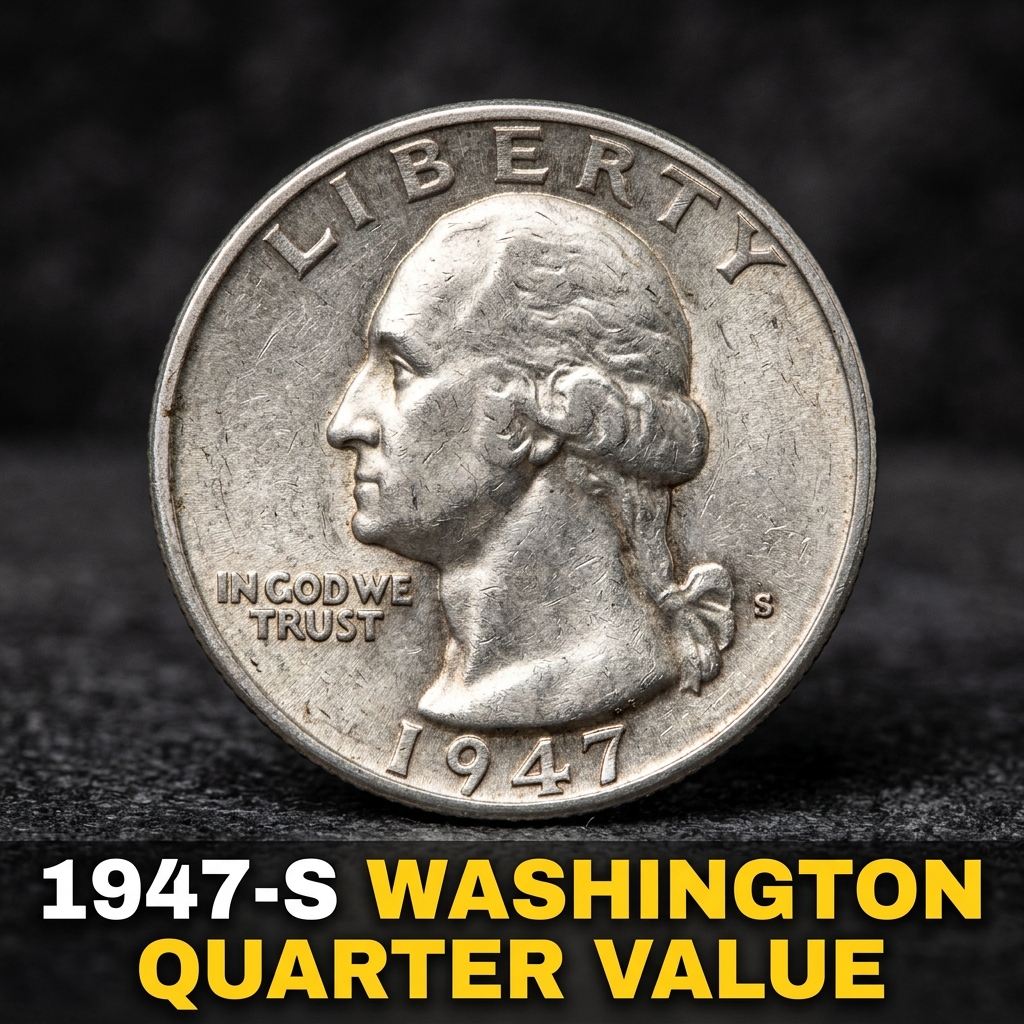
The obverse shows the familiar portrait of George Washington, which has appeared on U.S. quarters since 1932.
Because of its silver content and clean proof strikes, the 2002-S Indiana Silver Quarter remains popular among state quarter set collectors and silver coin enthusiasts alike.
If you want to compare it to similar coins from the same year, you can browse 2002 state quarter price data for related issues to see how different states and mint marks stack up in the market.
How to Check If Your Coin Is Genuine Silver
Not every 2002-S quarter is silver. The Philadelphia and Denver Mints produced clad versions for circulation. The San Francisco Mint struck both clad proof and silver proof versions.
Here’s how to tell the difference at a glance:
– Look at the edge. A silver quarter has a solid silver-gray edge with no copper stripe. Clad coins show a reddish-brown copper layer in the middle.
– Check the mintmark. Look for a small “S” above the date on the obverse.
– Weigh it. A 90% silver quarter weighs 6.25 grams, while a clad quarter weighs 5.67 grams.
Using CoinHix is another smart way to verify your coin quickly. CoinHix lets you scan coins and pull up detailed mint information, metal composition, and real-time market prices — no guesswork needed.
Should You Keep It, Sell It, or Grade It?
If your 2002-S Indiana Silver Quarter still has its original proof finish — crisp details, no scratches, bright mirror fields — it may be worth having it professionally graded by PCGS or NGC. A certified PR-69 or PR-70 DCAM label can meaningfully increase resale value.
On the other hand, if it’s been handled or stored loosely, it’s still worth holding on to for its silver melt value alone. As of current silver spot prices, a 90% silver quarter contains about 0.1808 troy ounces of silver — giving it a melt value well above 25 cents.
For everyday collectors or people who just found one of these in an old proof set, CoinHix is a great starting point to get a quick estimate before deciding whether to sell or hold.
—
FAQ
Q: How many 2002-S Indiana Silver Quarters were made?
A: The U.S. Mint produced approximately 3.08 million silver proof Indiana quarters in 2002. While that’s a relatively limited mintage compared to circulation strikes, it’s still common enough that individual coins aren’t considered rare.
Q: Can I find a 2002-S Indiana Silver Quarter in everyday change?
A: No. These coins were only sold in Silver Proof Sets directly from the U.S. Mint. They were never released into general circulation, so finding one in your change would be extremely unlikely.
Q: Does the silver content affect the value significantly?
A: Yes. The 90% silver composition gives the coin an intrinsic melt value higher than a standard clad quarter. On top of that, collector demand for proof silver state quarters adds a numismatic premium, especially for high-grade examples.