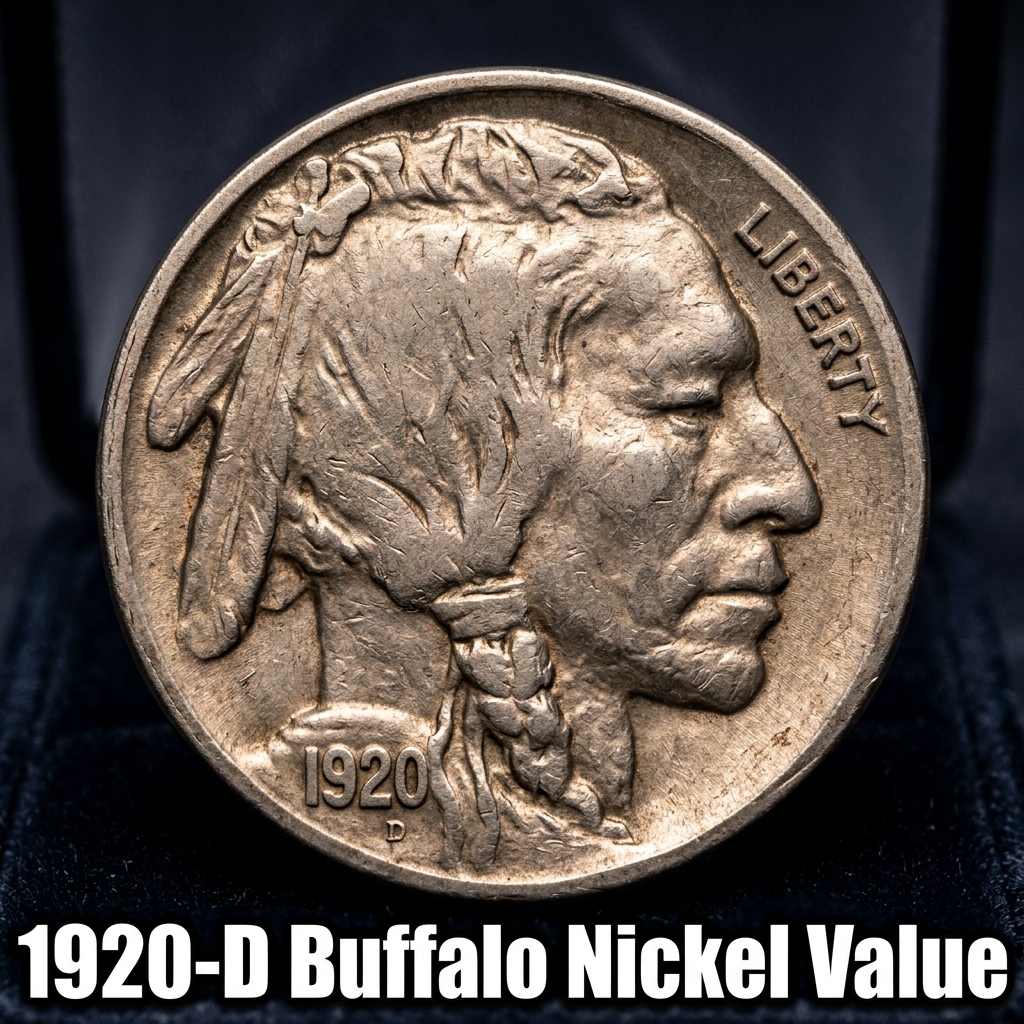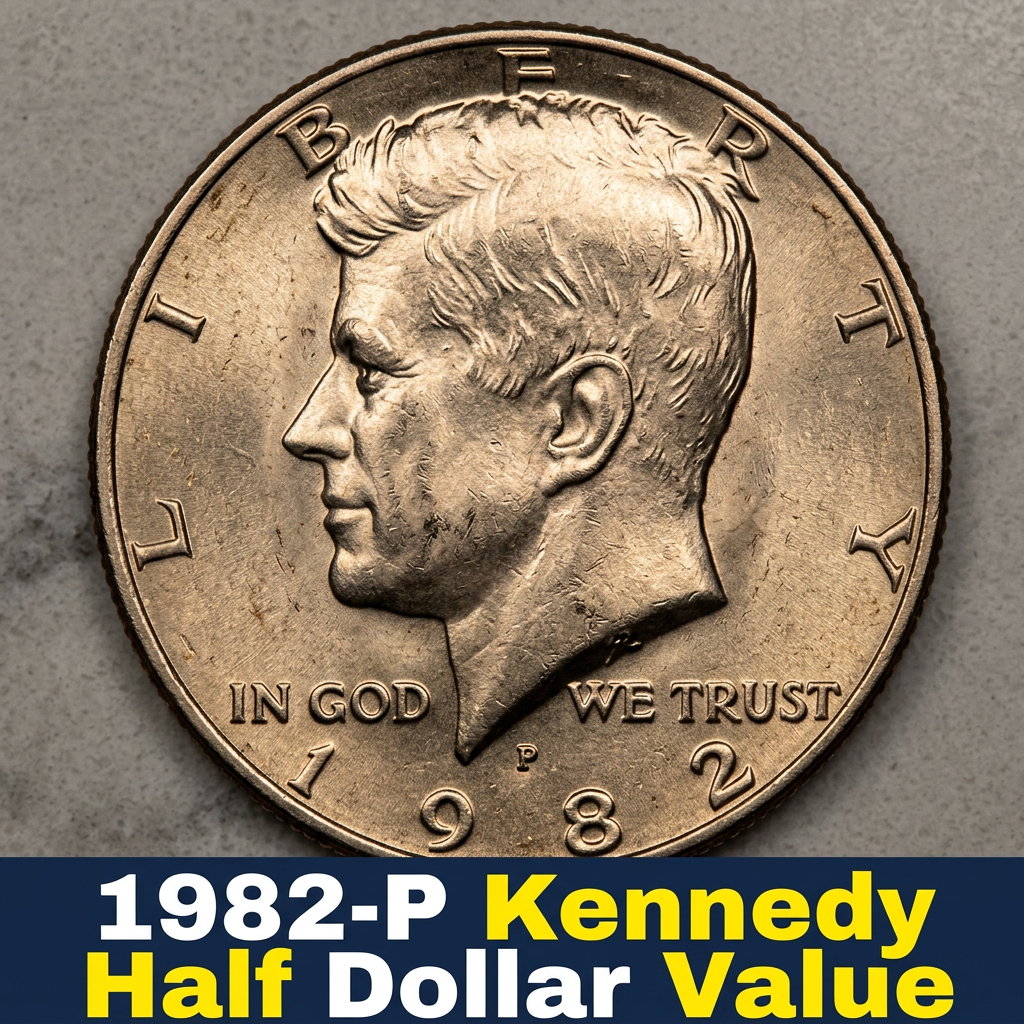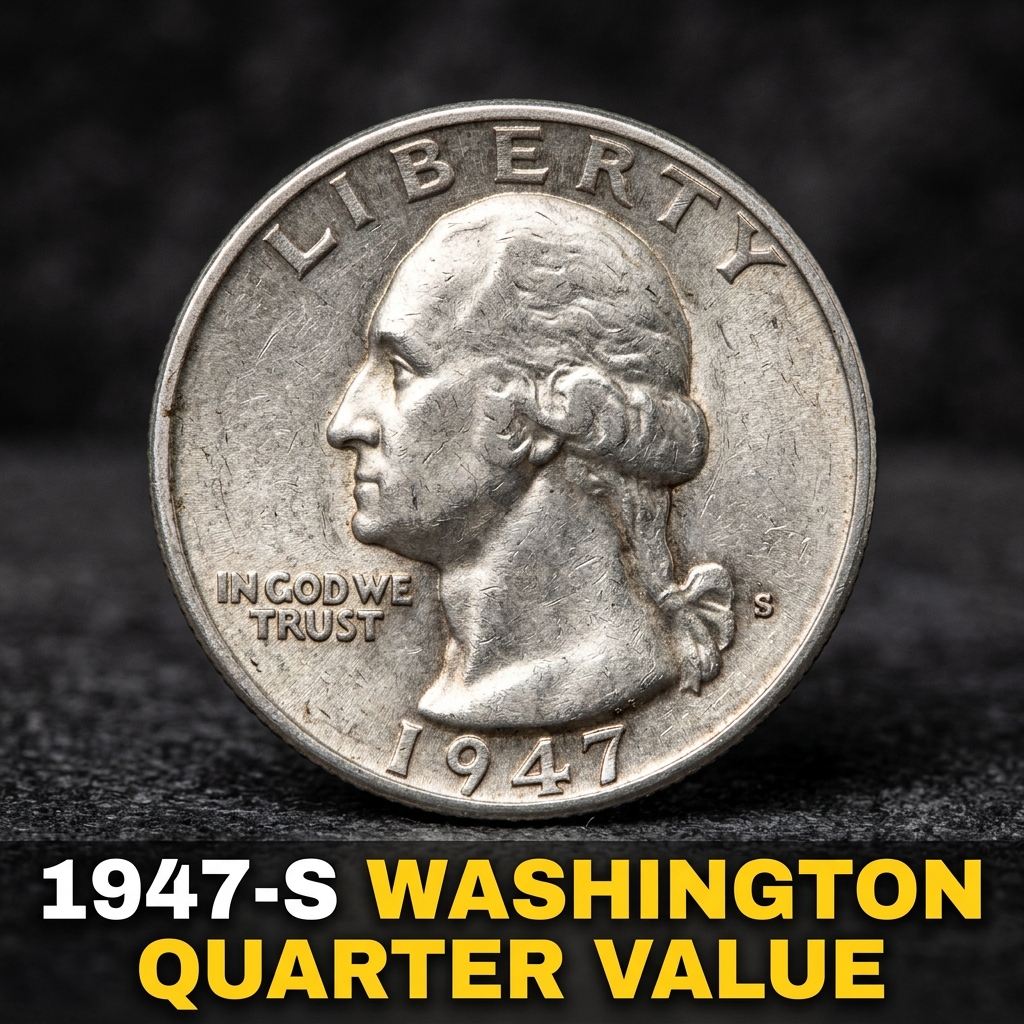
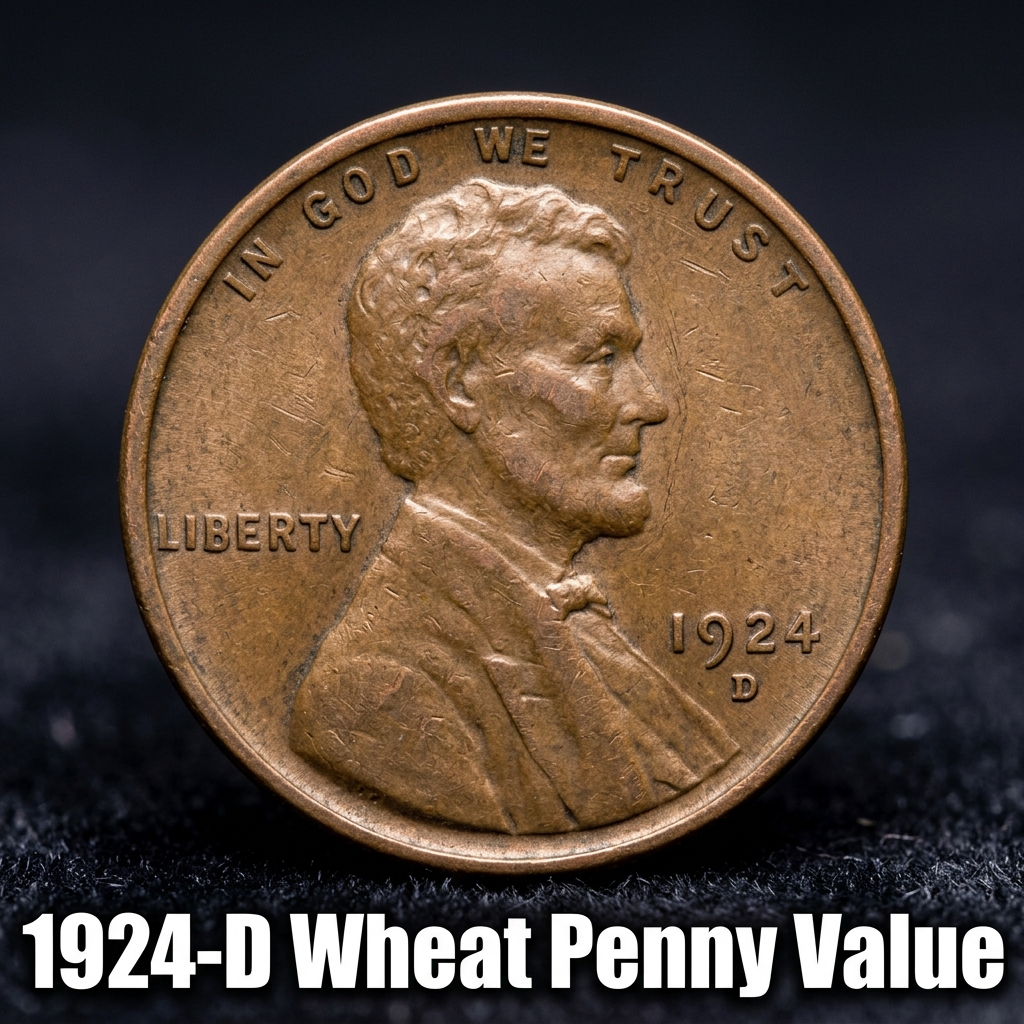
The 1924-D Wheat Penny is worth anywhere from $5 in heavily worn condition to well over $1,000 or more in higher mint state grades. If you found one of these old Lincoln cents in a jar, drawer, or inherited coin collection, you may be sitting on a surprisingly valuable piece of American history.
What Makes the 1924-D Wheat Penny Special
The “D” in 1924-D stands for Denver, meaning this coin was struck at the Denver Mint. That one small letter makes a big difference in value compared to the Philadelphia-minted 1924 penny with no mint mark.
The Denver Mint produced approximately 2,520,000 Lincoln Wheat Pennies in 1924 — a relatively low mintage for the era. Low mintage coins are naturally rarer, and rarity drives up collector demand.
If you’ve found one of these and want to quickly identify it, using a free coin identifier app is a great first step. Apps like CoinHix can scan your coin and give you an instant grade estimate and current market value without any coin expertise needed.
1924-D Wheat Penny Value by Grade
Coin value depends heavily on condition — what collectors call “grade.” A worn, circulated 1924-D penny is still worth real money, but a sharp, uncirculated example can fetch serious prices at auction.
Here’s a general breakdown of what you can expect:
| Grade / Condition | Description | Estimated Value |
|---|---|---|
| Good (G-4) | Heavy wear, design visible | $5 – $10 |
| Very Good (VG-8) | Moderate wear, main details clear | $12 – $20 |
| Fine (F-12) | Light to moderate wear | $25 – $40 |
| Extremely Fine (EF-40) | Light wear on high points only | $80 – $150 |
| About Uncirculated (AU-55) | Slight wear, mostly original luster | $200 – $400 |
| Mint State (MS-63+) | No wear, strong luster | $500 – $1,500+ |
For the most up-to-date auction results and certified sale prices, you can browse 1924-D Wheat Penny price data across mint state grades to see exactly what collectors are paying right now.
How to Tell the Condition of Your 1924-D Penny
You don’t need to be an expert to do a basic grade assessment. Start by looking at Lincoln’s cheek and the wheat stalks on the back — these are the high points where wear shows up first.
If the details are flat and merged together, your coin is likely in Good or Very Good condition. If you can still see Lincoln’s hair strands clearly and the wheat lines are sharp, you may have a Fine or better example.
Uncirculated coins will have a faint metallic sheen or luster — like a soft shimmer that circulated coins lose over time. If your 1924-D penny still has that original shine, it could be worth hundreds of dollars.
CoinHix makes this process easy — just photograph both sides of your coin and the app walks you through the grading process with visual comparisons and live market pricing.
Error Coins and Special Varieties to Look For
Some 1924-D Wheat Pennies carry extra value due to minting errors or die varieties. Doubling on Lincoln’s portrait or on the lettering can indicate a doubled die error, which collectors pay a premium for.
Look closely with a magnifying glass at the words “LIBERTY” and “IN GOD WE TRUST” on the obverse. Any noticeable doubling or misalignment could mean your coin is worth significantly more than its standard grade value.
Repunched mint marks — where you can see a faint second “D” under the primary mint mark — are another variety worth researching. These small details can turn a $20 coin into a $200 one.
For a full breakdown of what your specific 1924-D Lincoln cent might be worth based on its condition and variety, check out this detailed 1924 penny value guide with grade-by-grade pricing.
Should You Clean or Get It Graded?
Here’s one of the most important pieces of advice for any coin owner — do not clean your 1924-D penny. Cleaning a coin, even gently, permanently damages its surface and can cut its value by 50% or more in collector markets.
If you believe your coin is in Extremely Fine or better condition, professional grading through PCGS or NGC is worth considering. A graded and slabbed coin sells for more because buyers trust the official certification.
For a quick and free first opinion before spending money on professional grading, CoinHix is a great tool. Snap a photo, get an estimated grade, and decide from there whether a $30–$50 grading fee makes financial sense for your coin.
FAQ
Q: How do I know if my penny is the 1924-D and not a regular 1924?
A: Look at the reverse (back) of the coin. Flip it over and look just below the date on the obverse — a small “D” mint mark will appear under the year if it was struck in Denver. No letter means it’s a Philadelphia coin, which is more common and generally worth less.
Q: Is a worn 1924-D Wheat Penny still worth keeping?
A: Yes, even a heavily circulated 1924-D penny in Good condition is worth $5 to $10 or more — far above its face value. It’s also a piece of 100-year-old American history, which makes it worth holding onto regardless of its dollar value.
Q: Where is the best place to sell a 1924-D Wheat Penny?
A: eBay is one of the most active markets for Lincoln Wheat Pennies, especially raw (ungraded) examples. For higher-grade coins, auction houses like Heritage Auctions or Stack’s Bowers often get better prices. If you’re unsure of value, use a tool like CoinHix to get a market estimate before listing.