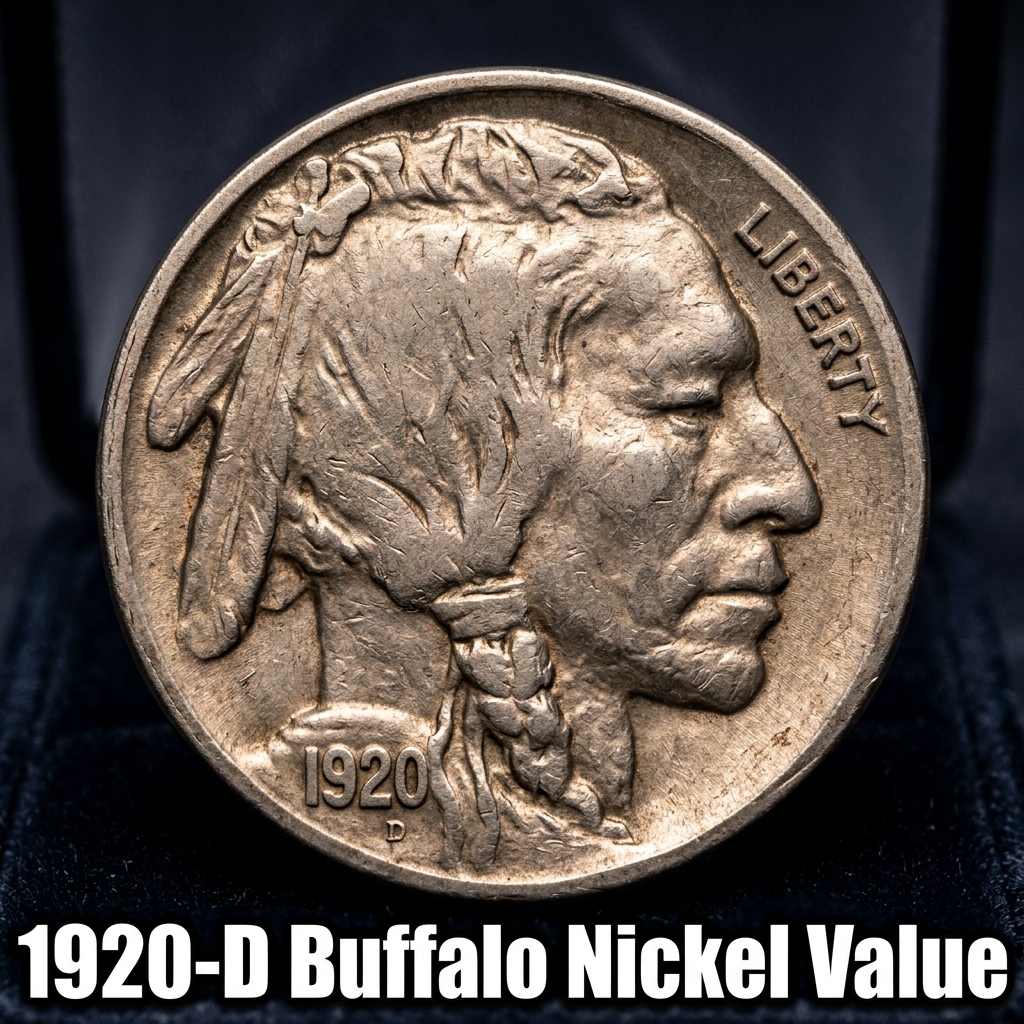
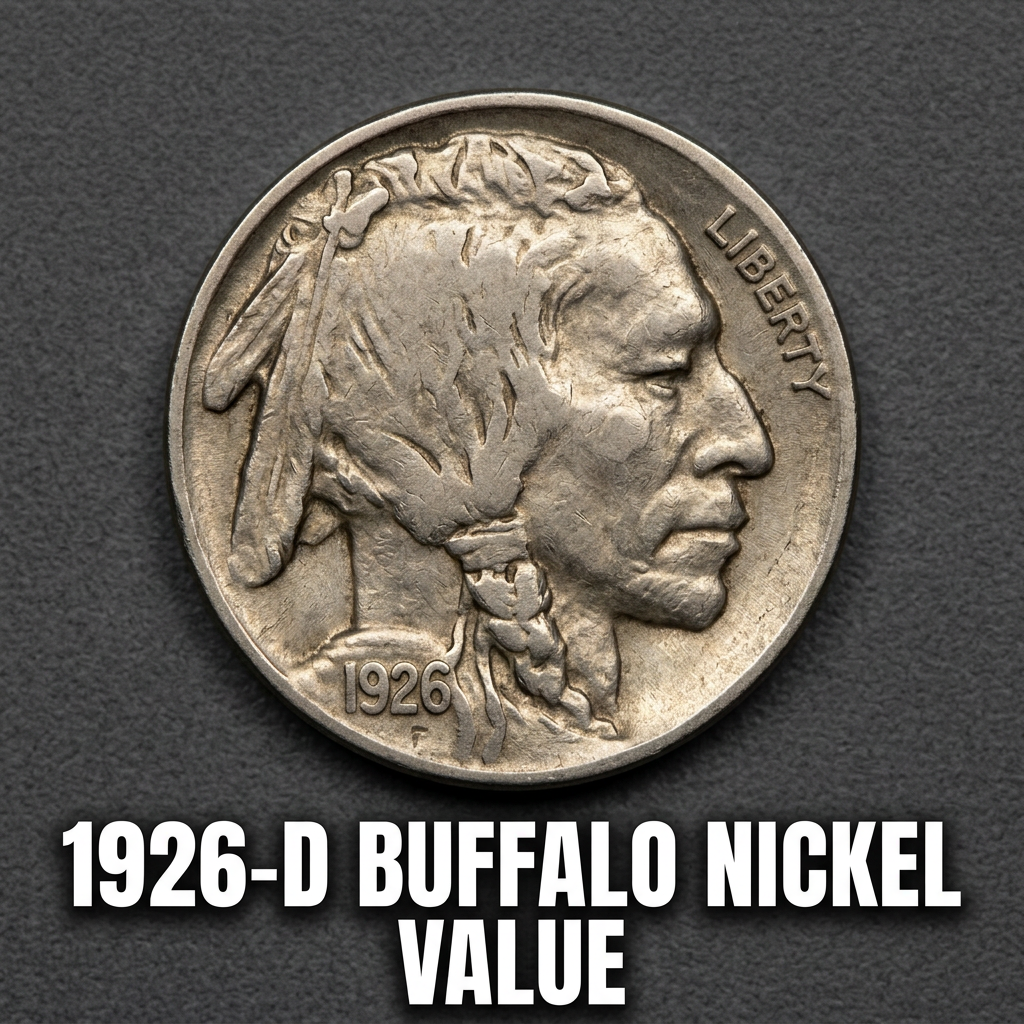
The 1926-D Buffalo Nickel is worth anywhere from $20 in heavily worn condition to over $2,000 or more in higher mint state grades — and a few exceptional examples have sold for significantly more at auction. If you found one of these old nickels tucked away in a drawer, a coin collection, or an old jar, you may be sitting on something genuinely valuable. Keep reading to find out exactly what determines the price of this fascinating coin.
Why the 1926-D Buffalo Nickel Is Special
Not all Buffalo Nickels are created equal, and the 1926-D is one of the more sought-after dates in the entire series. The “D” mintmark means it was struck at the Denver Mint, and the production numbers for that year were relatively low compared to Philadelphia issues. Only about 5,638,000 were minted — a modest figure that contributes to its scarcity today.
Buffalo Nickels were designed by James Earle Fraser and first issued in 1913. They quickly became iconic American coins, featuring a Native American chief on the obverse and an American bison on the reverse. The bold, rugged design is part of why collectors love them so much.
If you’re not sure whether you have a 1926-D or a different date, a free coin identifier app can help you scan the coin and get an instant read on what you’re holding. Tools like CoinHix make it easy for everyday people to identify coins without needing to be an expert.
How to Find the Mintmark and Date on Your Buffalo Nickel
Before you can determine the value of your coin, you need to confirm what you actually have. On a Buffalo Nickel, the date appears on the left side of the obverse (the front, showing the Native American portrait). The mintmark — if there is one — is located on the reverse, just below the words “FIVE CENTS.”
For the 1926-D, look for a small “D” below the denomination on the buffalo side of the coin. If you see no letter at all, that means it came from Philadelphia and has a different value. If you see an “S,” it was made in San Francisco.
One important thing to note: Buffalo Nickels are notorious for having weak dates that wear off quickly. If the date on your coin is partially or fully missing, it’s considered a “dateless” Buffalo Nickel and is generally worth only $1–$3, regardless of mintmark.
1926-D Buffalo Nickel Value by Grade
The condition of your coin — also called its “grade” — is the single biggest factor in determining value. Here’s a general price guide to help you get started:
| Grade | Description | Estimated Value |
|---|---|---|
| Good (G-4) | Heavy wear, date visible | $20 – $30 |
| Very Good (VG-8) | Moderate wear, main features clear | $40 – $60 |
| Fine (F-12) | Even wear, all details present | $70 – $100 |
| Very Fine (VF-20) | Light to moderate wear on high points | $150 – $220 |
| Extremely Fine (EF-40) | Light wear, sharp details | $350 – $500 |
| About Uncirculated (AU-50) | Slight wear on highest points | $700 – $1,000 |
| Mint State (MS-63+) | No wear, original luster | $2,000 – $5,000+ |
For the most current 1926-D Buffalo Nickel price data across all mint state grades, it’s always smart to check live market listings before buying or selling. Coin values fluctuate based on auction results and collector demand.
What Makes a 1926-D Buffalo Nickel Worth More
Beyond basic grade, a few other factors can push the value of your 1926-D Buffalo Nickel higher — or lower.
Strike quality matters a great deal with Buffalo Nickels. Denver Mint issues from this era are sometimes found with weak strikes, meaning certain details like the horn on the buffalo or the hair above the Native American’s ear appear soft or flat. A sharply struck example commands a premium.
Eye appeal also plays a role. Coins with original skin (meaning they haven’t been cleaned or polished) are far more desirable to collectors. A coin that looks like it has been scrubbed will lose significant value even if it’s technically in decent shape.
Finally, certification by a major grading service like PCGS or NGC can dramatically increase buyer confidence and resale value. If you think your coin might be in Very Fine condition or better, having it professionally graded is worth considering. You can also get a solid preliminary estimate with CoinHix, which provides detailed coin valuations right from your phone.
Should You Sell Your 1926-D Buffalo Nickel?
If your coin is in circulated condition and shows a readable date and mintmark, you have a coin that most collectors would be happy to own. The 1926-D is not the rarest Buffalo Nickel, but it’s consistently in demand and holds its value well over time.
Before selling, do your homework. Check recent auction records and get a second opinion. You can find a detailed breakdown of the 1926 Buffalo Nickel’s value in all grades and varieties to help you understand where your coin fits in the market.
Whether you plan to sell, hold, or add it to a collection, knowing what you have is the first step. CoinHix is a great starting point for quick, reliable valuations whenever you stumble across an interesting old coin.
FAQ
Q: How do I know if my Buffalo Nickel is the 1926-D and not a different year?
A: Look carefully at the date on the front of the coin — it should clearly read “1926.” Then flip the coin over and look just below “FIVE CENTS” for a small “D” mintmark. If the date is worn off, the coin is considered dateless and worth much less regardless of mint.
Q: Is a 1926-D Buffalo Nickel rare?
A: It’s not the rarest date in the Buffalo Nickel series, but with a mintage of just over 5.6 million and many coins lost to circulation and wear over the decades, finding one in good condition is not easy. In higher grades, it’s genuinely scarce and commands strong prices from collectors.
Q: Should I clean my 1926-D Buffalo Nickel before getting it appraised?
A: Absolutely not. Cleaning a coin — even gently — can destroy its original surface and reduce its value significantly. Collectors and dealers prefer coins in their natural, unaltered state. Leave it as is and get a professional opinion before doing anything to it.