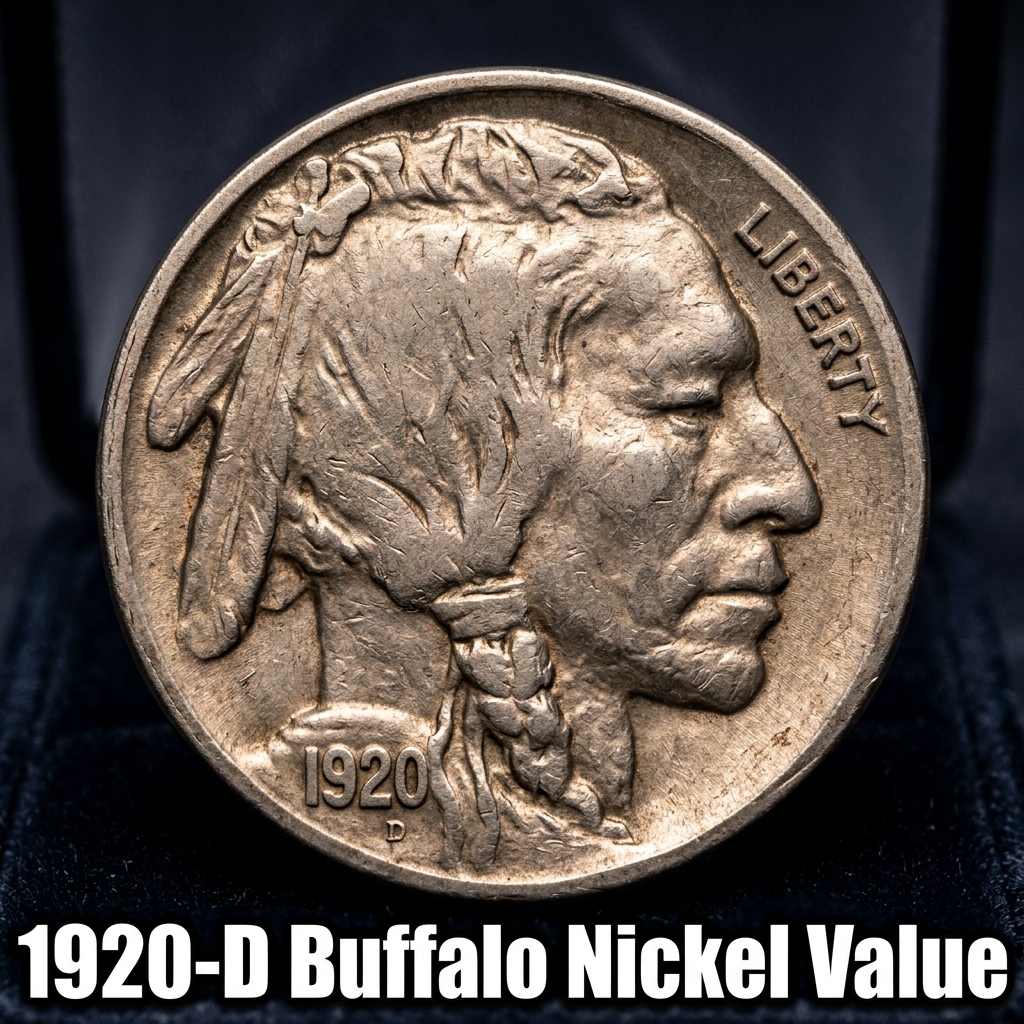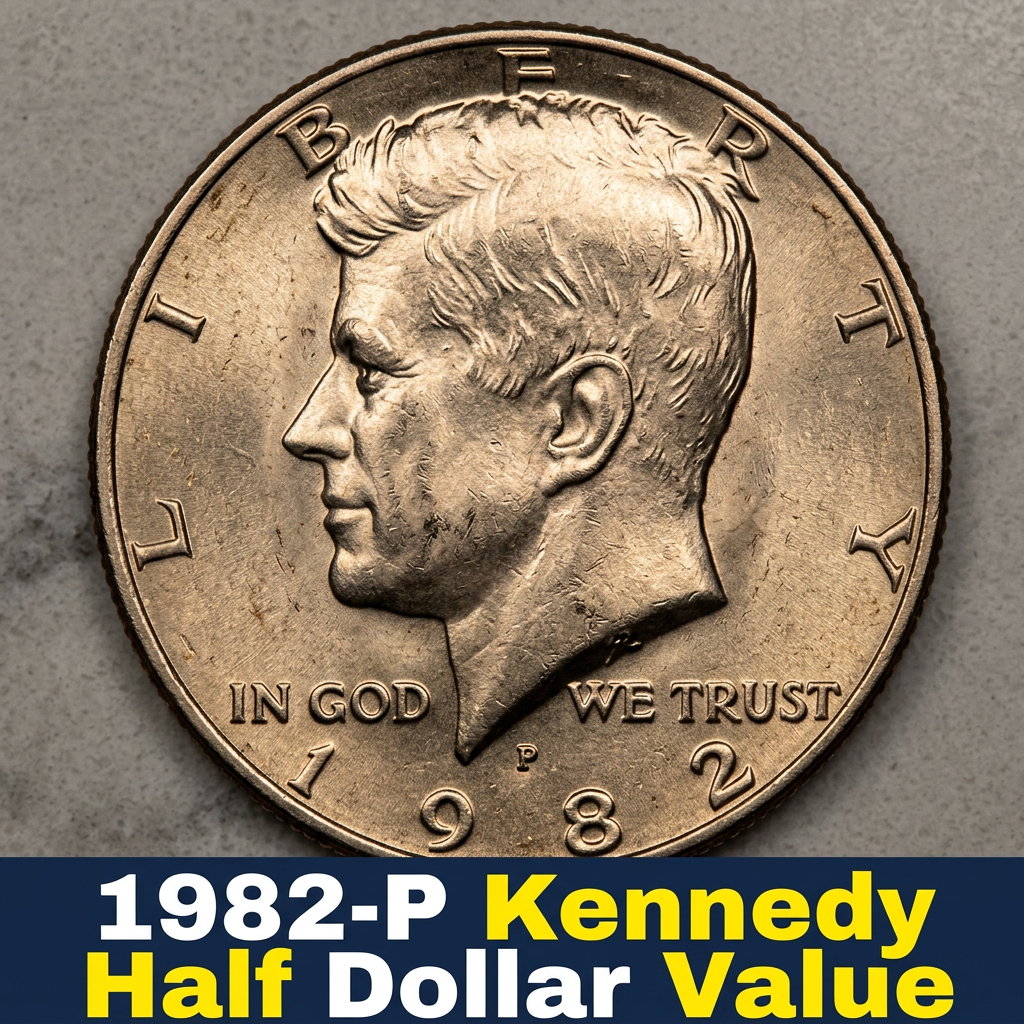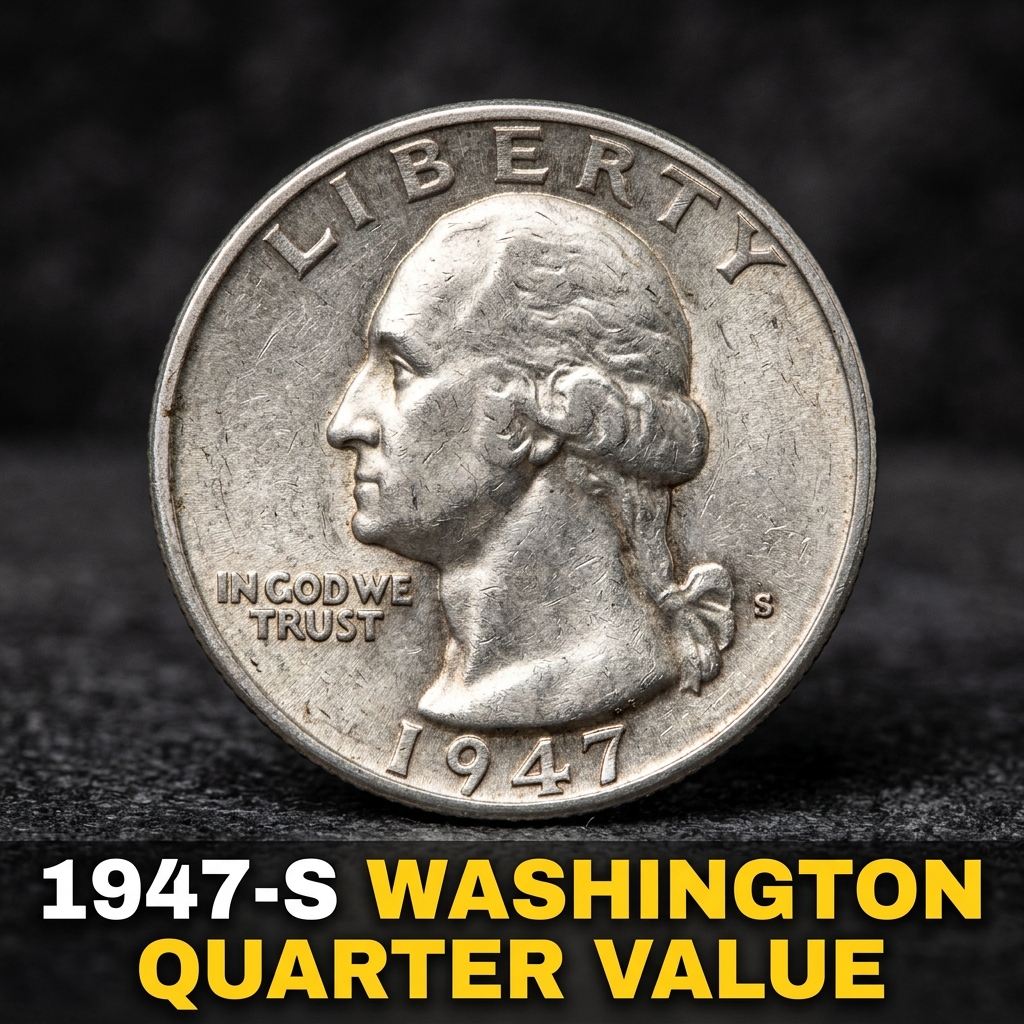
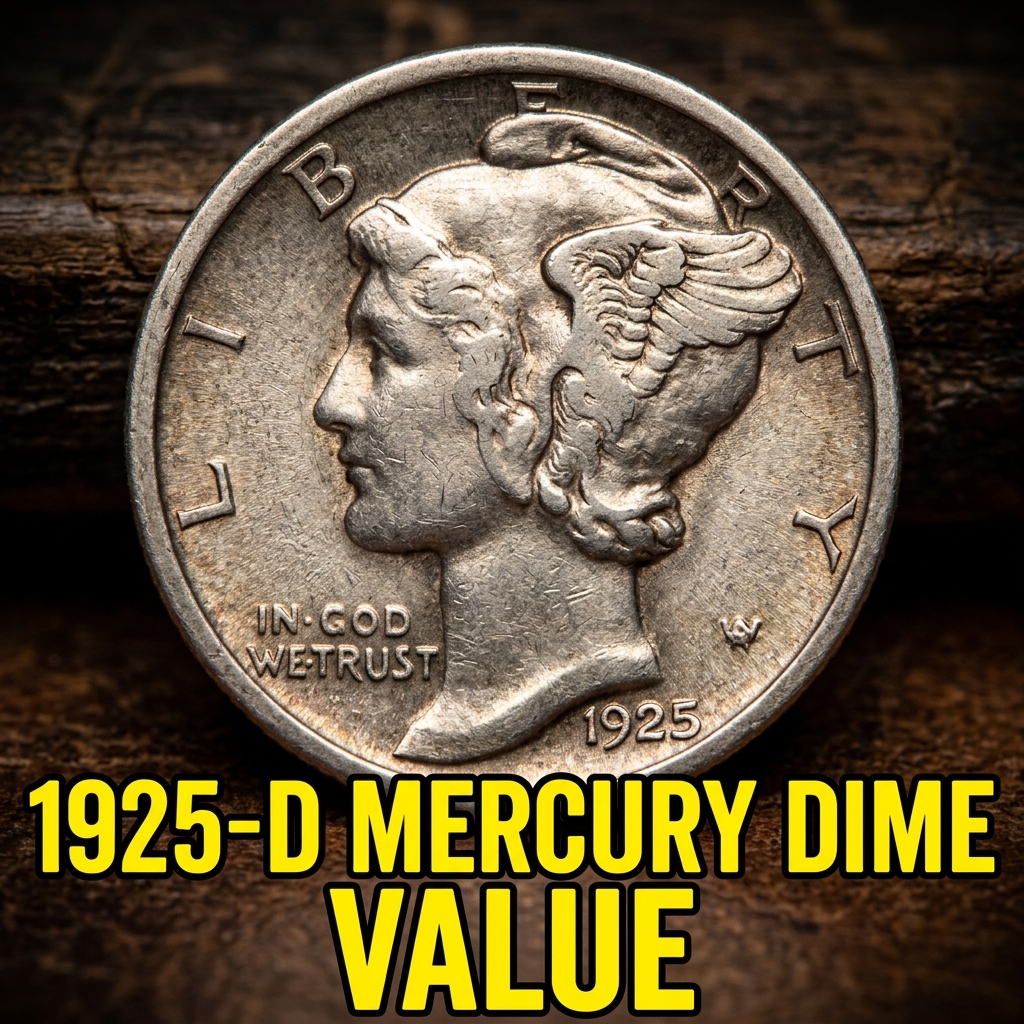
The 1925-D Mercury Dime is worth anywhere from $4 to $10 in heavily worn condition, but well-preserved examples can fetch $50 to $150 or more — and top-grade mint state coins have sold for several hundred dollars at auction.
What Makes the 1925-D Mercury Dime Special
If you found an old dime tucked away in a coin jar, a drawer, or inherited in a collection, and it has a small “D” mintmark on the reverse near the bottom, you may be holding a 1925-D Mercury Dime. This coin was struck at the Denver Mint in 1925 as part of the iconic Winged Liberty Head Dime series, commonly called the “Mercury Dime” because the portrait resembles the Roman god Mercury.
The 1925-D had a mintage of just over 5.1 million coins. While that’s not considered a rare date by collector standards, it’s far from common — especially in nice condition. Most of these coins were spent and circulated heavily, meaning high-grade examples are genuinely hard to come by.
If you’re not sure what you have, try using a free coin identifier app to quickly scan your coin and get a starting point before diving deeper into research.
How to Read the Condition of Your 1925-D Dime
Coin condition — also called “grade” — is the single biggest factor in determining how much your 1925-D Mercury Dime is worth. Collectors use a scale from 1 to 70, where higher numbers mean better preservation.
In a heavily worn coin (grades AG-3 to G-6), you can still make out the date and mintmark, but the design details are mostly flat. These are the most common survivors and are worth just a few dollars above silver melt value.
In Fine to Very Fine condition (grades F-12 to VF-35), you’ll see more detail in Liberty’s hair and the feathers on her cap. The coin wasn’t babied, but it wasn’t destroyed either. These examples tend to be the “sweet spot” for most everyday collectors and are still quite affordable.
Coins graded Extremely Fine (EF-40 to EF-45) or About Uncirculated (AU-50 to AU-58) show only light wear on the highest design points. In mint state (MS-60 and above), the coin was never circulated and retains original luster — these are the specimens serious collectors pay a premium for.
1925-D Mercury Dime Value by Grade
Here’s a quick reference chart to help you estimate what your coin might be worth based on its condition:
| Grade | Description | Estimated Value |
|---|---|---|
| AG-3 / G-4 | Heavily Worn | $4 – $8 |
| VG-8 / F-12 | Well Worn | $10 – $20 |
| VF-20 / VF-35 | Moderate Wear | $25 – $50 |
| EF-40 / AU-58 | Light Wear to Almost Uncirculated | $55 – $130 |
| MS-63 | Mint State | $175 – $300 |
| MS-65+ | Gem Mint State | $400+ |
For the most current auction results and retail price data, check out this detailed 1925-D Mercury Dime price breakdown by mint state grade — it’s updated regularly and gives you a real-world picture of what collectors are paying right now.
Silver Melt Value and Why It Matters
Mercury Dimes are made of 90% silver, which gives every example a baseline “floor” value tied to the silver market. Each coin contains 0.07234 troy ounces of silver. With silver commonly trading between $25 and $30 per ounce, that means even a beat-up 1925-D Mercury Dime is worth roughly $1.80 to $2.20 in silver alone.
This is important because it means your coin will never be completely worthless as long as silver has value. But collector value — based on grade, eye appeal, and demand — almost always exceeds melt value once the coin is in decent shape.
CoinHix is one of the best tools available for tracking both silver melt value and collector premiums side by side, so you’re never flying blind when it comes time to price or sell your coins.
Tips for Selling or Getting Your 1925-D Mercury Dime Appraised
Before you sell, it pays to know exactly what you have. Start with a good photo under natural light and compare your coin to grading guides online. For coins you think might be in EF or better condition, consider getting a professional grade from PCGS or NGC — it protects the coin and often increases buyer confidence significantly.
You can also get a solid estimate by checking out this 1925 dime value guide with condition-by-condition pricing before you list your coin anywhere.
If you want a fast, easy way to identify and value coins right from your phone, CoinHix lets you photograph any coin and instantly see grade estimates, price ranges, and comparable sales — it’s become a go-to tool for both new and experienced collectors. And if you have a whole jar of old coins to sort through, CoinHix makes that process surprisingly quick and satisfying.
FAQ About the 1925-D Mercury Dime
Q: How do I know if my dime is a 1925-D and not another year or mint?
A: Look at the date on the obverse (front) — it should clearly read “1925.” Then flip the coin over and look for a small “D” mintmark just to the left of the word “ONE” at the bottom of the reverse. If both are present, you have a 1925-D Mercury Dime.
Q: Is the 1925-D Mercury Dime rare?
A: It’s not considered a key date, but it’s scarcer than some other Mercury Dimes from the same era. With only 5.1 million minted and most surviving examples in heavily worn grades, finding one in nice condition is genuinely uncommon and worth paying attention to.
Q: Should I clean my 1925-D Mercury Dime before selling it?
A: No — never clean an old coin. Even gentle cleaning causes microscopic scratches that collectors call “hairlines,” which can dramatically reduce the coin’s grade and value. Always leave old coins exactly as you found them and let a buyer or appraiser assess the natural surfaces.