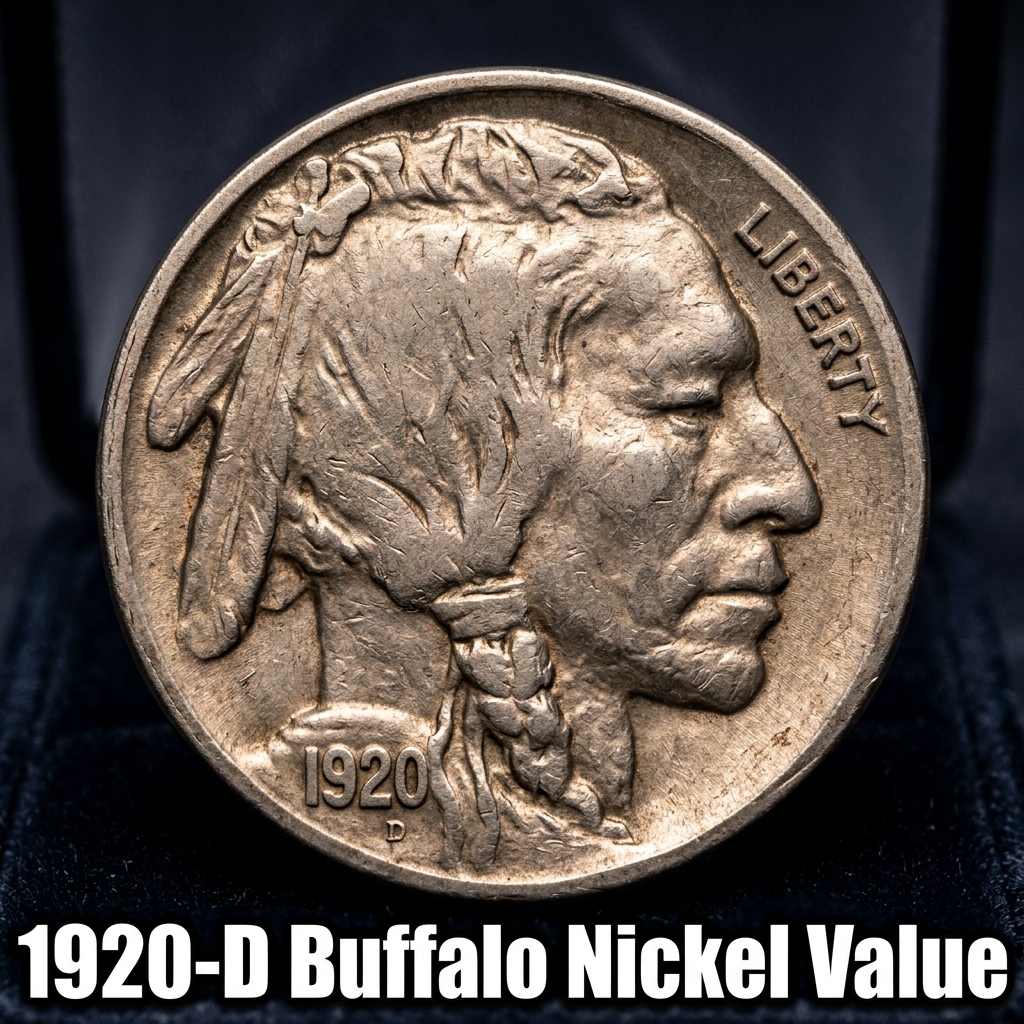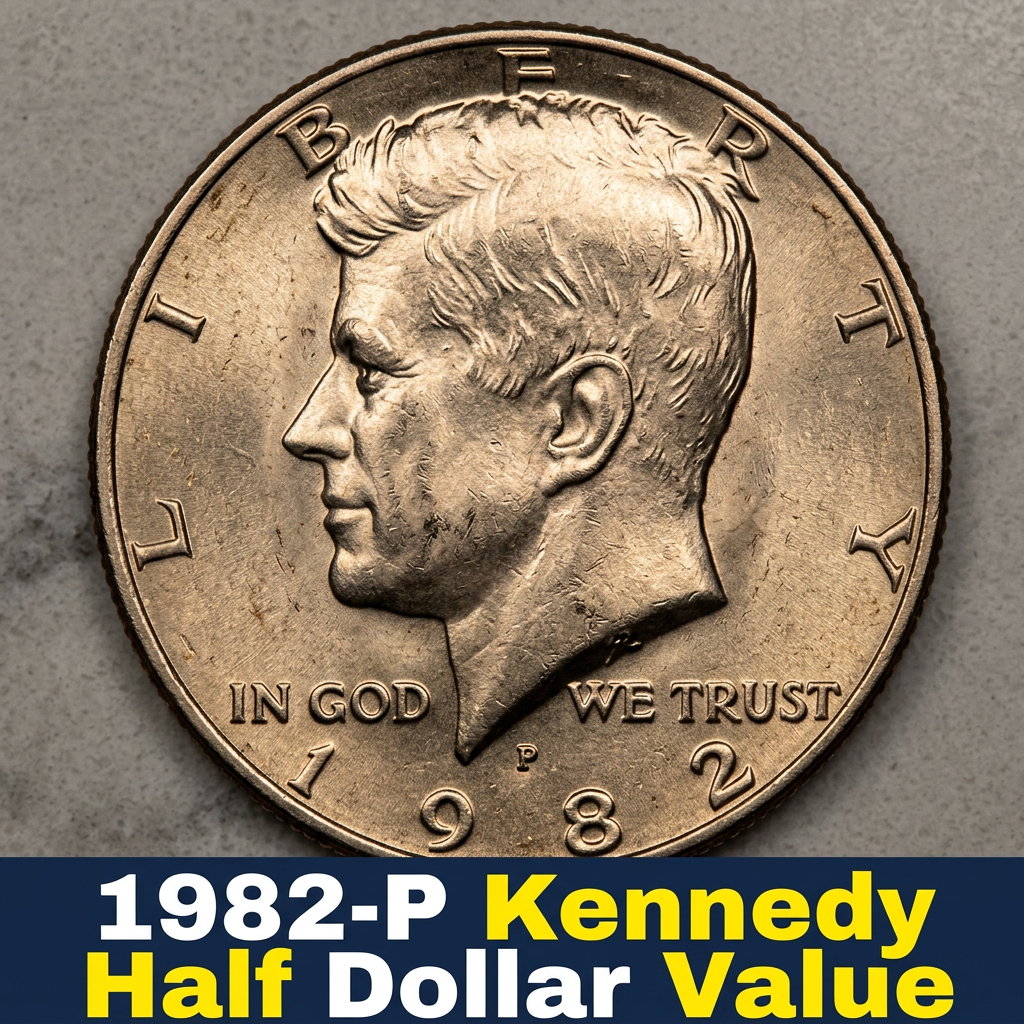
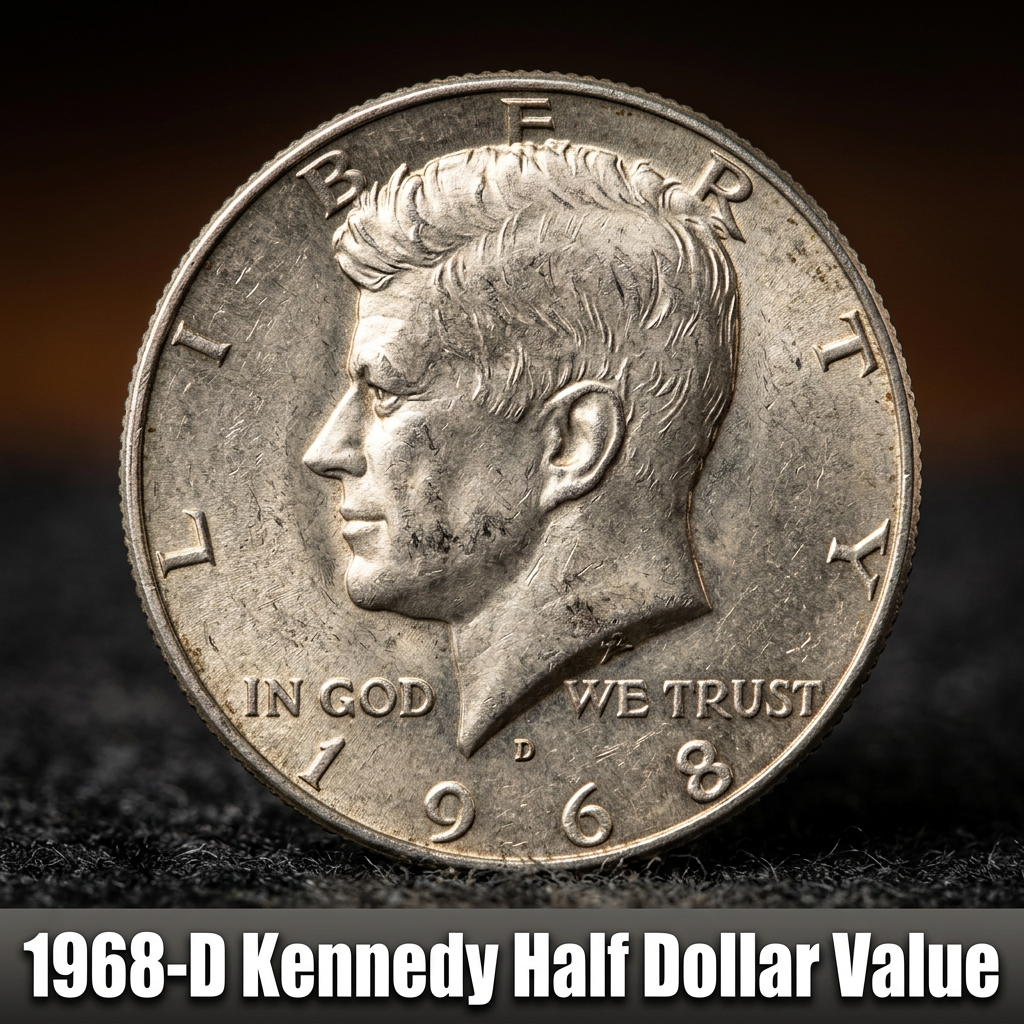
The 1968-D Kennedy Half Dollar is worth anywhere from $3 in heavily worn condition to over $100 or more in pristine mint state — and some certified high-grade examples have sold for hundreds at auction. If you found one of these silver-clad coins in an old jar or a relatives collection, you’re in the right place to find out exactly what it’s worth.
What Makes the 1968-D Kennedy Half Dollar Special
The 1968-D Kennedy Half Dollar was minted at the Denver Mint, which is why it carries the “D” mint mark on the reverse side, just below the eagle. This coin was part of a transitional era for American coinage — by 1968, the half dollar had already lost its 90% silver composition, settling instead into a 40% silver clad format that was used from 1965 through 1970.
That 40% silver content still gives the coin some intrinsic metal value, which sets it apart from purely copper-nickel clad coins made after 1970. Even a circulated example contains a small but real amount of silver.
The Denver Mint struck over 246 million of these coins in 1968, making them relatively common in circulated grades. However, high-grade uncirculated examples — especially those graded MS-65 or above — are genuinely scarce and can command strong premiums among collectors.
If you’re trying to identify whether your coin is the Denver or Philadelphia issue, or just want to learn more about it, a free coin identifier app can help you quickly sort out what you’ve got before diving into valuation.
1968-D Kennedy Half Dollar Value by Grade
Coin value depends heavily on condition, known in the hobby as “grade.” A coin pulled from a pocket and spent looks very different from one that’s been sitting in an uncirculated roll since 1968. Here’s a general breakdown of what the 1968-D Kennedy Half Dollar is worth across common grades:
| Grade | Description | Estimated Value |
|---|---|---|
| Good (G-4) | Heavy wear, outlines visible | $3 – $4 |
| Fine (F-12) | Moderate wear, clear lettering | $4 – $6 |
| Extremely Fine (EF-40) | Light wear on high points | $6 – $10 |
| Mint State (MS-63) | Uncirculated, some bag marks | $15 – $30 |
| Mint State (MS-65) | Gem uncirculated, minimal marks | $50 – $120 |
| MS-67 and above | Superb gem, very rare | $300+ |
For the most up-to-date market data, you can check current 1968-D Kennedy Half Dollar auction prices and certified coin values by grade to see what these coins are actually selling for right now.
Silver Melt Value and Why It Matters
Even if your 1968-D Kennedy Half Dollar is worn and not particularly collectible, it’s still worth more than face value because of its silver content. Each coin contains approximately 0.1479 troy ounces of pure silver.
With silver prices fluctuating around $28–$30 per ounce at the time of writing, that gives a base melt value of roughly $4.00 to $4.50 per coin. That means even the most beat-up examples shouldn’t be spent as 50 cents — they’re worth real money just for their metal.
Dealers and coin shops will typically pay close to melt for circulated examples, so don’t throw these in a change jar. Even if you’re not a collector, you’re sitting on a small silver asset.
How to Tell If Your Coin Is Worth More
Not every 1968-D half dollar is worth the same. A few things can push value higher than the averages listed above.
First, look at the coin’s surface under good lighting. If you see sharp, crisp details and no signs of wear on Kennedy’s hair and cheekbones, you may have an uncirculated example worth significantly more. Coins that were saved in rolls or original government sets tend to be in much better shape.
Second, watch for error coins. While no major dramatic errors are widely documented for this date, doubled die varieties and strike errors do occasionally turn up and can multiply value substantially.
CoinHix is a great tool for tracking real-time sale prices and understanding how similar coins have performed at auction — which helps you know if your specific example is a sleeper find or just a silver-content coin.
If you’re not sure where to start with grading or identification, CoinHix also offers easy access to coin databases that break down values by specific characteristics, saving you hours of guesswork.
You can also explore a detailed breakdown of 1968 half dollar values across all grades and mint marks to compare the D-mint coin against other issues from that year.
Should You Sell, Hold, or Get It Graded
If your coin looks uncirculated, seriously consider having it professionally graded by PCGS or NGC. The cost of grading (typically $20–$40 for basic service) can be well worth it if your coin comes back MS-65 or higher — a certified MS-65 example is far more valuable and easier to sell than a raw coin with the same appearance.
For circulated coins, selling to a local coin dealer or on eBay for silver melt value is usually the most practical path. You won’t get rich, but you won’t leave money on the table either.
For everything in between, use CoinHix to monitor price trends and decide the right moment to sell if you’re patient enough to wait for the right buyer.
FAQ
Q: Is the 1968-D Kennedy Half Dollar made of silver?
A: Yes, partially. It contains 40% silver and 60% copper in a clad composition. That gives it a silver melt value of roughly $4 to $4.50 at current silver prices, making it worth more than its 50-cent face value regardless of condition.
Q: How do I find the mint mark on a 1968-D Kennedy Half Dollar?
A: Flip the coin to the reverse (eagle side) and look just below the eagle’s tail feathers, above the “E PLURIBUS UNUM” text. The “D” mint mark is small but clearly visible with the naked eye or a simple loupe.
Q: What is the most valuable 1968-D Kennedy Half Dollar ever sold?
A: High-grade certified examples in MS-67 or MS-68 condition have sold at major auctions for several hundred dollars. The finest known examples graded by PCGS or NGC command the strongest prices because of their extreme rarity at that level.