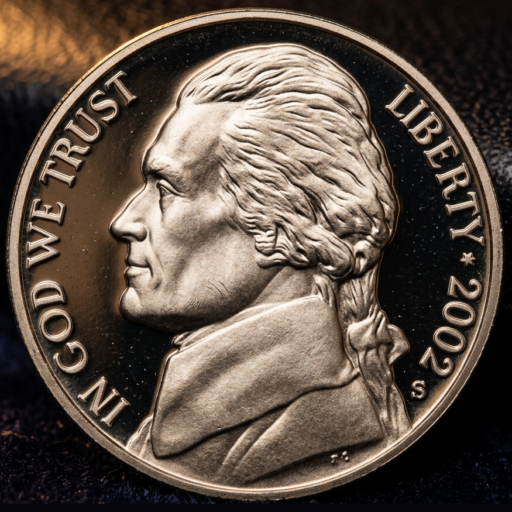
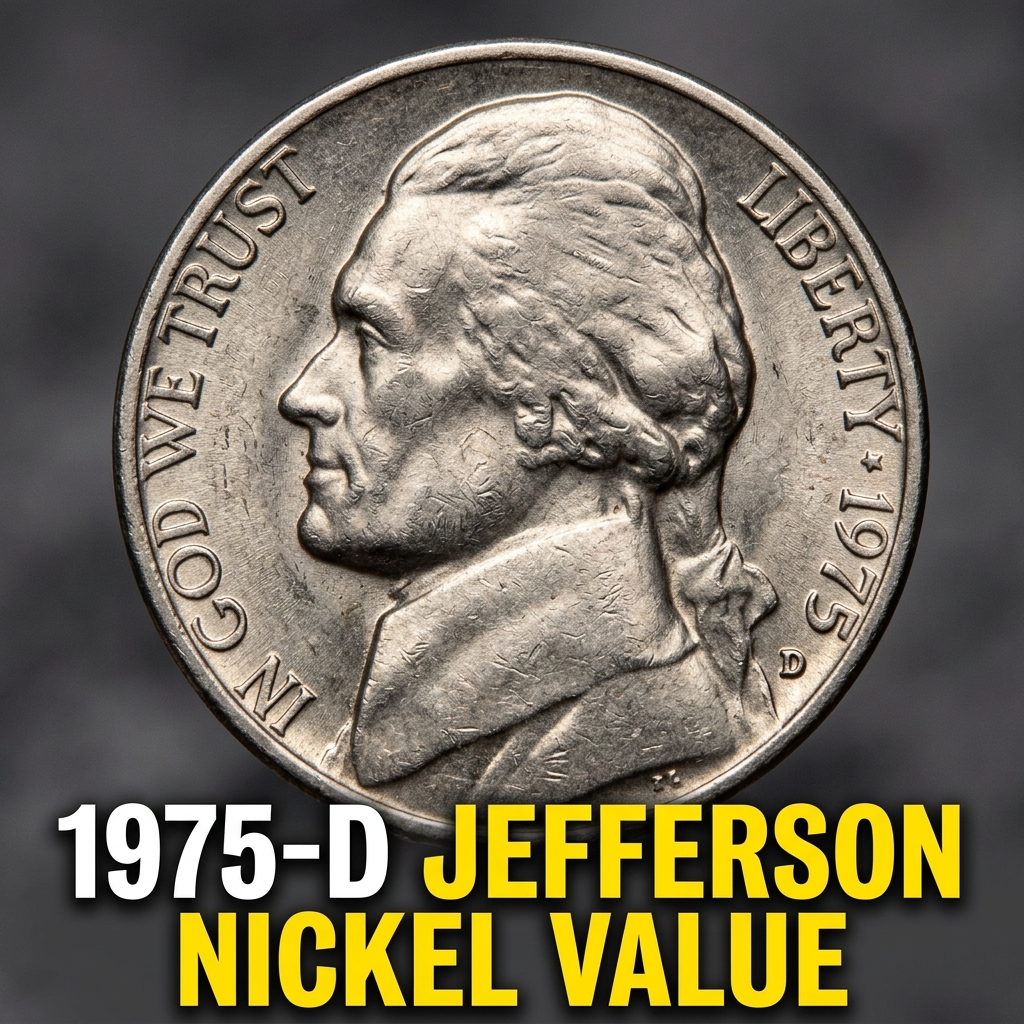
The 1975-D Jefferson Nickel is worth anywhere from face value (5 cents) in heavily worn condition to $30 or more in top-tier mint state grades — and a select few gem examples have sold for well over $100 at auction. If you’ve got one sitting in an old jar or found it in pocket change, here’s everything you need to know about what it’s actually worth.
What Is the 1975-D Jefferson Nickel?
The “D” in 1975-D means the coin was struck at the Denver Mint. In 1975, the Denver Mint produced over 401 million Jefferson Nickels — making it a high-mintage coin that isn’t considered rare in most grades.
That said, high mintage doesn’t mean worthless. Condition is everything when it comes to coin values, and a 1975-D nickel that was never spent and kept in pristine condition can still bring real money from collectors.
If you’re not sure how to identify your coin or check its grade, try using a free coin identifier app — it can save you a lot of guesswork and help you figure out what you’re actually holding.
1975-D Jefferson Nickel Value by Grade
The value of your 1975-D nickel depends almost entirely on its grade — that is, how much wear it shows. Circulated coins (ones that passed through everyday use) are generally only worth face value or a tiny premium. Uncirculated coins, however, are a different story.
Here’s a quick breakdown of typical values across different grades:
| Grade | Description | Estimated Value |
|---|---|---|
| Good (G-4) | Heavy wear, design visible | Face value |
| Fine (F-12) | Moderate wear | Face value |
| Extremely Fine (EF-40) | Light wear on high points | $0.10 – $0.25 |
| Uncirculated (MS-63) | No wear, some bag marks | $1 – $5 |
| Choice Uncirculated (MS-65) | Sharp strike, minimal marks | $10 – $30 |
| Gem Uncirculated (MS-67) | Near perfect surfaces | $75 – $150+ |
You can check the latest 1975-D Jefferson Nickel prices across mint state grades to see how recent auction results compare to these estimates.
What Makes Some 1975-D Nickels Worth More?
If most of these coins are worth face value, why do some sell for $100 or more? The answer comes down to strike quality and surface preservation.
The Jefferson Nickel is notorious among collectors for weak strikes — particularly on Monticello’s steps on the reverse. A coin showing Full Steps (FS), meaning all five or six steps on the building are clearly defined and uninterrupted, commands a significant premium. A 1975-D nickel graded MS-65 Full Steps can be worth many times more than the same grade without the Full Steps designation.
Eye appeal also matters. A coin with bright luster, no distracting marks, and a well-centered strike will always attract more interest from buyers — and better prices at auction.
CoinHix is a great tool for tracking these premium examples. The app pulls real-time auction data so you can see exactly what Full Steps examples have sold for recently — not just what a price guide says they’re “worth.”
How to Check the Value of Your 1975-D Nickel
Start by examining your coin under good lighting. Look at Jefferson’s cheekbone and the steps on Monticello — these are the first areas to show wear. If the coin looks shiny, never spent, and the details are sharp, you might have something worth grading.
For a quick estimate, see a detailed breakdown of 1975 nickel values by mint mark and grade — it’s a useful reference when you’re trying to put a number on what you’ve found.
If you think your coin might grade MS-65 or higher, it could be worth submitting to a professional grading service like PCGS or NGC. The cost of grading is typically $20–$40 per coin, so it only makes sense if the potential value justifies it.
CoinHix can help you decide whether a submission is worth it — just look up recent sales for the same grade and see if the numbers make sense before you spend the money.
Is the 1975-D Nickel a Good Coin to Collect?
For everyday collectors and beginners, the 1975-D Jefferson Nickel is a fun and affordable piece of U.S. history. It’s not going to fund your retirement, but finding a high-grade example with Full Steps is a real achievement that experienced collectors respect.
If you’re building a Jefferson Nickel set by date and mint mark, the 1975-D is an easy date to check off — raw uncirculated examples are affordable and widely available. The challenge is finding one that truly stands out in quality.
Keep an eye on your coins, learn what to look for, and use tools like CoinHix to stay on top of market prices. You might just be surprised what’s hiding in your collection.
—
Frequently Asked Questions
Q: Is the 1975-D Jefferson Nickel rare?
A: No, it’s not considered rare — the Denver Mint produced over 401 million in 1975. However, high-grade examples with Full Steps on Monticello are genuinely scarce and can be worth significant premiums to collectors.
Q: How do I know if my 1975-D nickel is uncirculated?
A: An uncirculated coin will have original mint luster (a bright, cartwheel-like shine) with no flat or dull spots from wear. If Jefferson’s cheekbone and the high points on Monticello are sharp and shiny, it’s likely uncirculated.
Q: Where is the mint mark on a 1975-D Jefferson Nickel?
A: On coins minted from 1968 onward, the mint mark appears on the obverse (front) of the coin, to the right of Jefferson’s portrait near the date. Look for a small “D” — that’s your Denver Mint mark.