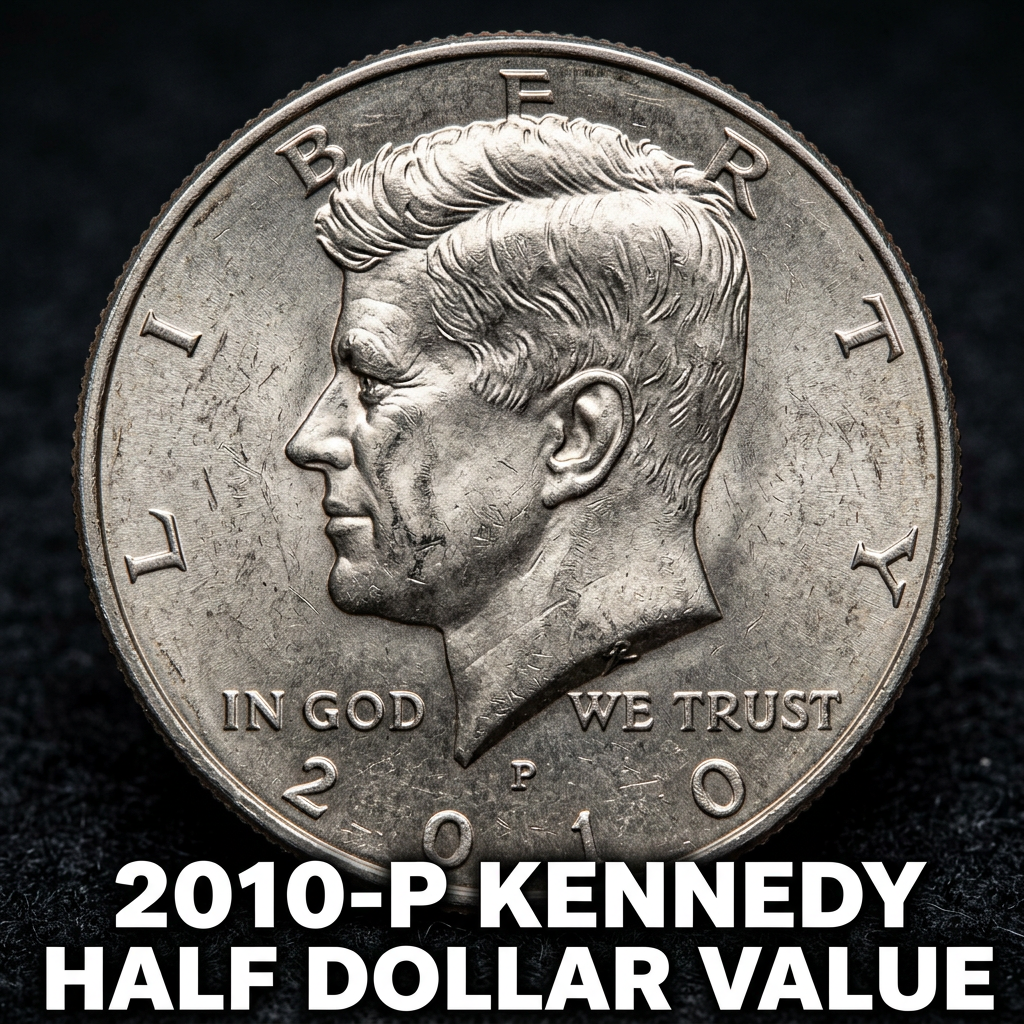
The 2010-P Kennedy Half Dollar is worth anywhere from face value (50 cents) in circulated condition to around $15 or more in pristine uncirculated grades — and certain high-grade examples can fetch even higher prices among collectors.
If you’ve stumbled across one of these coins in an old drawer, a coin jar, or an estate collection, you’re in the right place. This guide will walk you through everything you need to know about this modern half dollar, including how condition affects value, what collectors look for, and whether yours might be worth holding onto.
What Is the 2010-P Kennedy Half Dollar?
The Kennedy Half Dollar has been a staple of American coinage since 1964, struck in honor of President John F. Kennedy following his assassination. By 2010, the U.S. Mint at Philadelphia was still producing these coins — but here’s the thing most people don’t realize: they weren’t widely released into general circulation.
Starting in 2002, the U.S. Mint stopped distributing half dollars through regular banking channels. Instead, they were primarily sold directly to collectors through bags and rolls. That means many 2010-P Kennedy Half Dollars never saw a cash register or a vending machine.
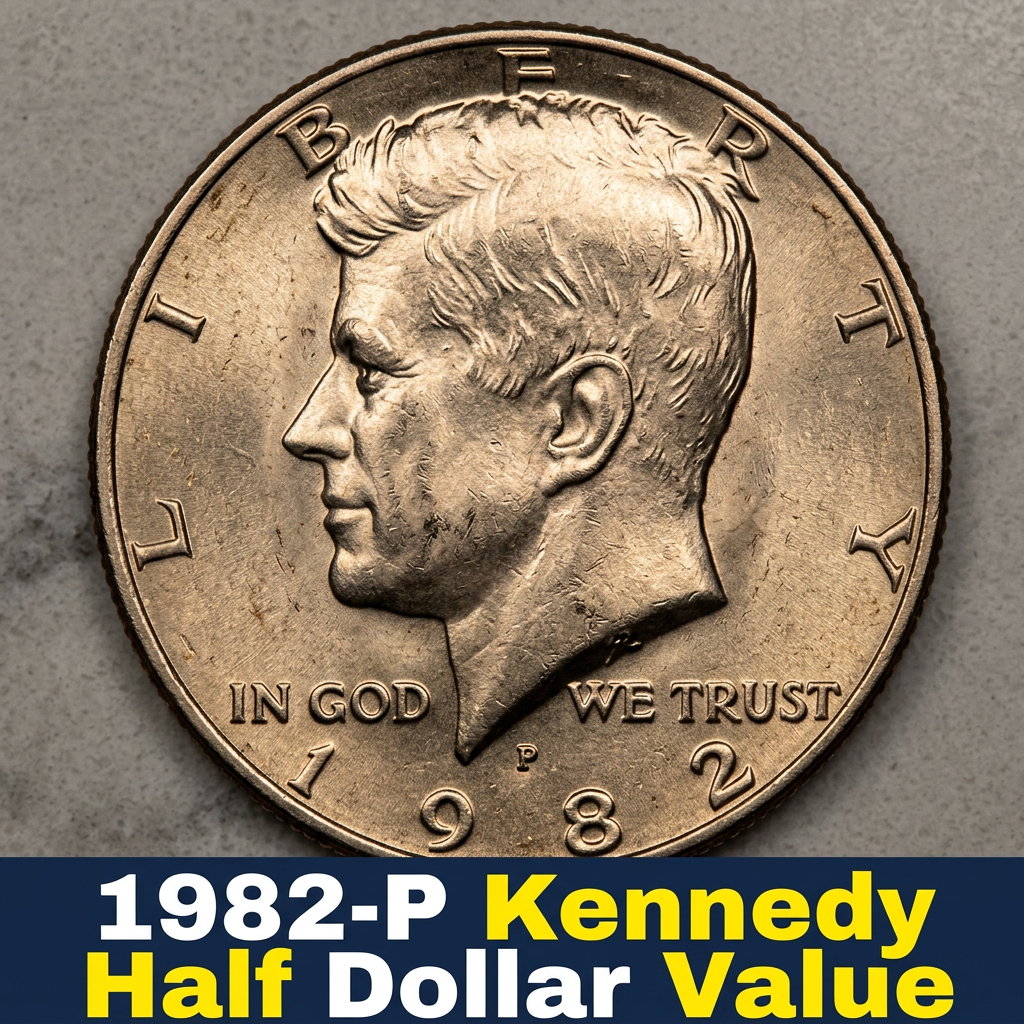
The “P” mint mark stands for the Philadelphia Mint and can be found on the obverse (heads side) of the coin, just below Kennedy’s neck. Knowing where your coin was minted is one of the first steps to understanding its value. If you want a quick and accurate way to identify your coin, try a free coin identifier app — it can save you a lot of guesswork.
How Much Is the 2010-P Kennedy Half Dollar Worth?
For most people who find one in circulation or in change, a 2010-P Kennedy Half Dollar is worth exactly its face value — 50 cents. Worn or heavily circulated coins simply don’t carry a premium in today’s market.
However, uncirculated coins tell a different story. Coins that have never been used in everyday transactions, especially those in original Mint packaging or that grade MS65 or higher, can be worth anywhere from $3 to $15 or more. Top-tier examples graded MS67 by PCGS or NGC have sold for significantly higher amounts at auction.
Here’s a quick value breakdown by grade:
| Grade / Condition | Description | Estimated Value |
|---|---|---|
| Circulated (AG–VF) | Worn, visible use | Face value ($0.50) |
| MS60–MS63 | Uncirculated, minor marks | $1–$3 |
| MS64–MS65 | Choice uncirculated | $4–$8 |
| MS66 | Gem uncirculated | $10–$15 |
| MS67+ | Superb gem, finest known | $30–$100+ |
For the most current market prices, you can check out 2010-P Kennedy Half Dollar MS price data on CoinHix, which tracks real-time auction results and dealer pricing across grades.
What Affects the Value of a 2010-P Kennedy Half Dollar
Condition is king when it comes to modern coins like this one. Because so many 2010-P half dollars were struck in large quantities (the Philadelphia Mint produced about 1.8 million for collector sets), the sheer supply keeps values relatively modest for average grades.
That said, a few factors can push value higher:
Strike quality — A sharply struck coin with full details on Kennedy’s hair and the eagle’s feathers is more desirable to collectors.
Luster — Original, unblemished mint luster makes a huge difference. Even small bag marks or contact marks can drop a coin from MS66 to MS64.
Eye appeal — Collectors and graders both respond to overall visual attractiveness. A coin that looks clean, bright, and well-centered simply commands more attention — and more money.
If you’re serious about understanding what your specific coin might be worth, CoinHix is a great resource. The app lets you look up current values, compare grades, and track how prices have moved over time.
Is the 2010-P Kennedy Half Dollar Rare?
In a word — no, not in the traditional sense. This isn’t a rare key date coin like a 1916 Mercury Dime or a 1909-S VDB Lincoln Cent. Millions were minted, and many went straight into collector bags, meaning plenty survived in excellent condition.
However, “common” doesn’t always mean “worthless.” In top grades like MS67 or MS68, the 2010-P Kennedy Half Dollar becomes considerably scarcer, and the population of coins graded that high is surprisingly small. That’s where real collector interest — and higher prices — can appear.
You can explore a detailed breakdown of 2010 Half Dollar values by grade and mint to see how your coin stacks up across the full range of conditions.
How to Check Your 2010-P Kennedy Half Dollar Value
The easiest way to get started is to assess the condition of your coin. Hold it under good lighting and look for any wear on the high points — Kennedy’s cheekbone, hair, and the eagle’s wings on the reverse. If those areas look smooth or flattened, the coin has been circulated.
Next, check the mint mark. A “P” indicates Philadelphia. No mint mark at all or a “D” indicates Denver — and their values can differ slightly.
If you want a fast, reliable second opinion, CoinHix offers an easy-to-use platform where you can look up the exact coin and compare it to recent sales. It’s a smart tool whether you’re a beginner or someone who’s been collecting for years.
For a broader picture of what Kennedy Half Dollars are selling for across different years and mint marks, spending a few minutes on a dedicated coin value resource can really pay off — sometimes literally.
—
FAQ
Q: Is a 2010-P Kennedy Half Dollar worth keeping?
A: If it’s in uncirculated condition or still in original Mint packaging, yes — it’s worth holding onto, especially if you’re building a collection. In circulated shape, it’s worth face value, but it still makes a great piece of modern American numismatic history.
Q: How do I know if my 2010-P half dollar is uncirculated?
A: An uncirculated coin will have original mint luster — a shiny, slightly frosty or satiny surface with no visible wear on the high points. If the coin looks dull or shows any flat areas on Kennedy’s face or hair, it has likely been circulated.
Q: Where can I sell my 2010-P Kennedy Half Dollar?
A: You can sell it through eBay, coin dealer shops, or online platforms like PCGS CoinFacts or CoinHix. For higher-grade coins, consider having it professionally graded by PCGS or NGC first — it can significantly increase buyer confidence and selling price.