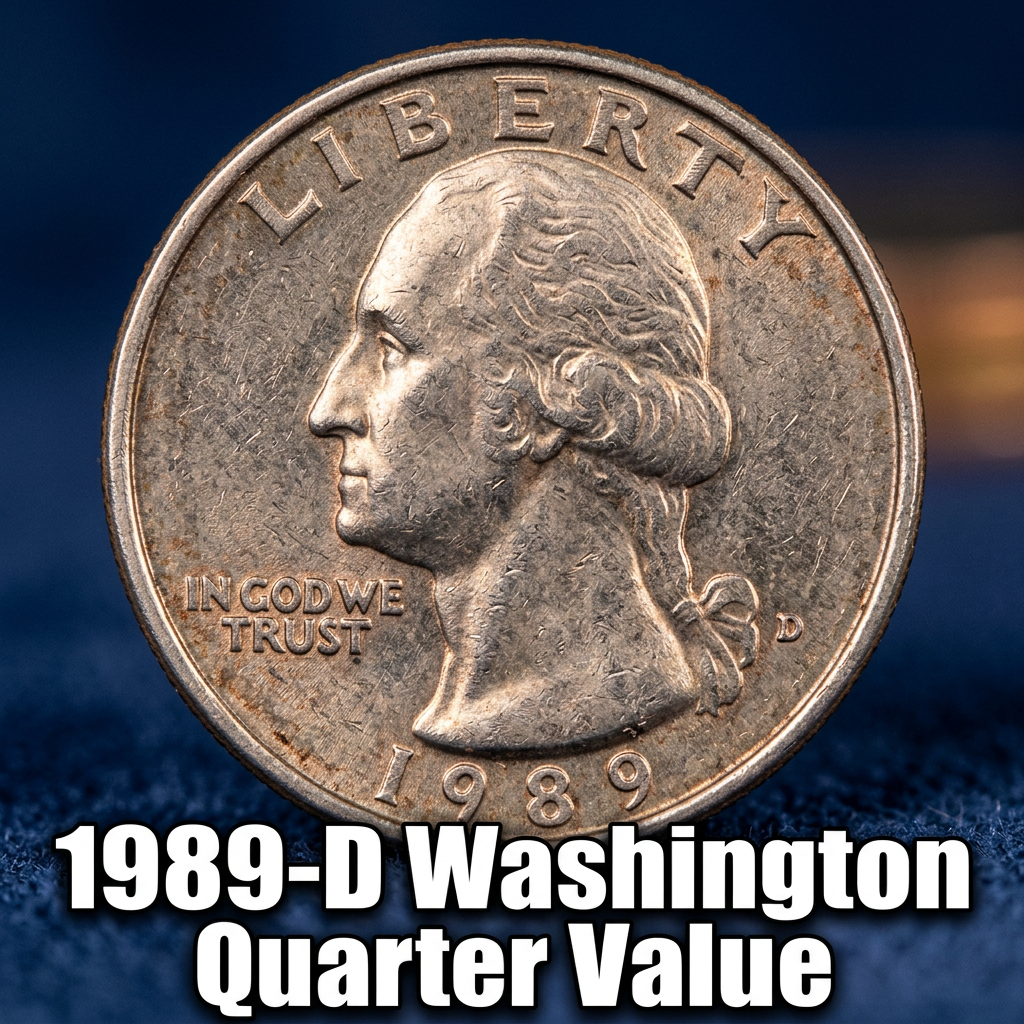
The 1989-D Washington Quarter is worth anywhere from 25 cents in heavily worn condition to over $10 in mint state grades, with truly exceptional examples grading MS67 or higher selling for $50 to several hundred dollars at auction. If you found one of these quarters in your change jar or a collection, you’re in the right place to find out exactly what it’s worth.
What Makes the 1989-D Washington Quarter Special
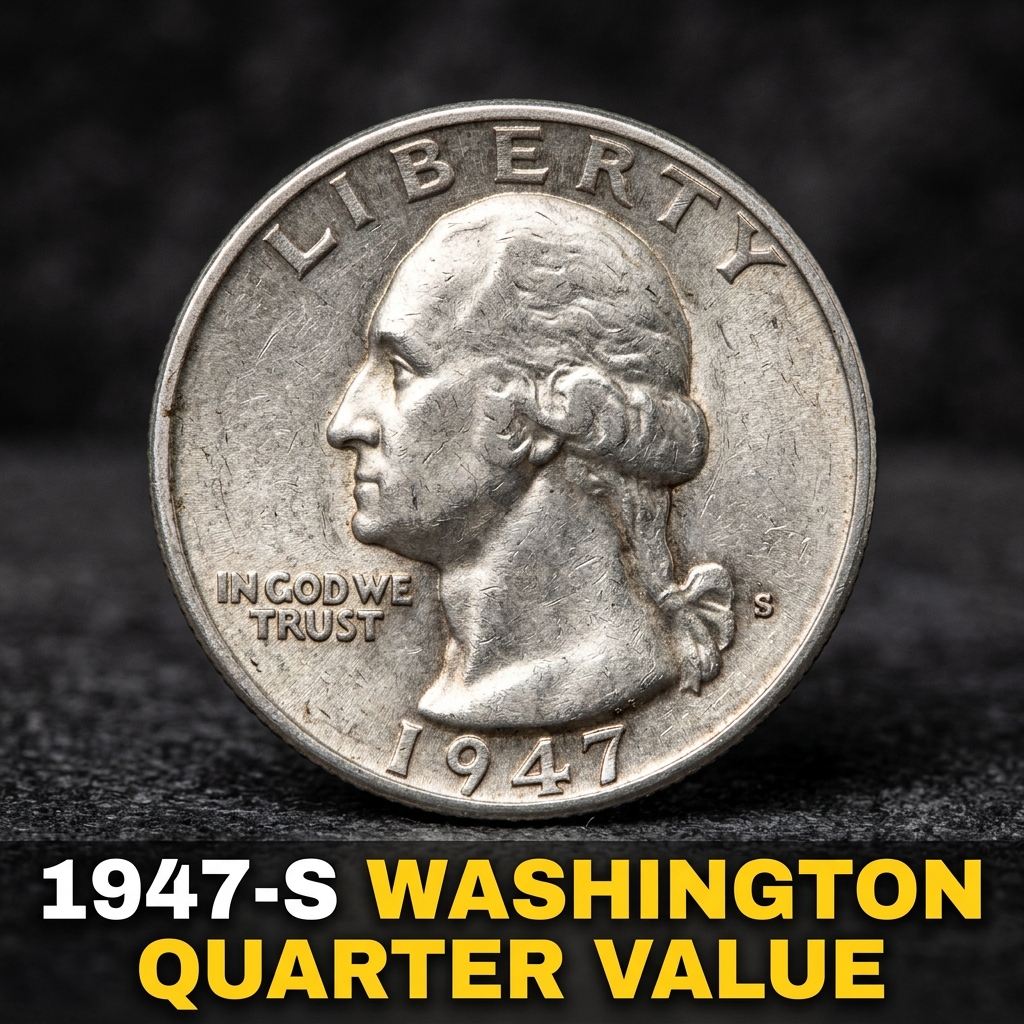
The 1989-D Washington Quarter was struck at the Denver Mint, as indicated by the small “D” mintmark on the obverse just to the right of Washington’s portrait. Denver produced over 896 million of these quarters in 1989, making it one of the higher-mintage issues of the era.
Because so many were made, most circulated examples are only worth face value or just slightly above. However, that massive mintage doesn’t mean all of them are worthless — condition is everything in coin collecting, and well-preserved examples can still command a premium.
If you’re not sure how to read the date, mintmark, or grade your coin, a free coin identifier app can walk you through the basics using just your phone camera. It’s a great starting point for beginners.
1989-D Washington Quarter Value by Grade
The value of your 1989-D quarter depends almost entirely on its condition, or “grade” as collectors call it. Grades range from Poor (P-1) at the bottom to Mint State 70 (MS70) at the top. For a common-date modern coin like this one, the biggest jumps in value happen in the upper mint state grades.
Here’s a general breakdown of what the 1989-D Washington Quarter is worth across different grades:
| Grade | Condition Description | Estimated Value |
|---|---|---|
| G-4 (Good) | Heavy wear, major details visible | $0.25 – $0.50 |
| VF-20 (Very Fine) | Moderate wear, clear details | $0.50 – $1.00 |
| MS-63 (Mint State) | Uncirculated, minor contact marks | $2 – $5 |
| MS-65 (Gem Mint State) | Sharp strike, few blemishes | $8 – $15 |
| MS-67 and above | Near perfect, rare at this level | $50 – $300+ |
For the most up-to-date pricing data on graded examples, you can check the 1989 Washington Quarter price trends across mint state grades to see recent auction results and population reports.
How Condition Affects the 1989-D Quarter’s Worth
When collectors talk about condition, they’re looking at luster, strike sharpness, and the number of contact marks or scratches on the coin’s surface. A quarter pulled straight from a mint bag and never spent will look very different from one that has been passed through thousands of hands over 35 years.
For the 1989-D specifically, finding a true MS67 example is harder than you might think. Even though nearly 900 million were made, most were dumped into circulation. High-grade survivors are genuinely scarce in population report data from PCGS and NGC, which is why those top-grade coins command such surprising prices.
If your quarter looks bright and shiny with no visible wear on Washington’s cheek or the eagle’s breast feathers, it’s worth getting a second opinion on the grade. CoinHix is a great tool for tracking certified coin values and understanding where your coin fits in the market.
Are There Any 1989-D Quarter Errors Worth Looking For
Error coins are always exciting, and the 1989-D is no exception. While there are no major officially recognized varieties for this date, collectors have documented a number of minor errors that can add value.
Double die obverse (DDO) errors, off-center strikes, and die cap errors have all been reported on Washington Quarters from this era. An off-center strike where 10% to 20% of the design is missing can fetch $20 to $50 even in worn condition.
Die cracks and cuds — raised irregular lines or blobs of metal caused by a cracked die — are also occasionally found. These are worth a modest premium to error coin specialists. Use CoinHix to search for recent sold listings of error coins from this year and mint to get a realistic sense of value before selling.
Should You Get Your 1989-D Quarter Graded
Professional grading by PCGS or NGC makes sense only if your coin appears to be in gem uncirculated condition, meaning no wear and a generally clean surface. The cost of grading typically runs $30 to $50 per coin for standard service, so it only makes financial sense if you believe your coin could grade MS66 or higher.
For most people who find a 1989-D quarter in pocket change, professional grading is not worth the expense. But if you’re unsure, you can get a quick estimate by using CoinHix or reviewing detailed 1989 quarter value information by grade and mintmark before spending money on professional submission.
Frequently Asked Questions
Q: How much is a 1989-D Washington Quarter worth in circulated condition?
A: In typical circulated grades, a 1989-D Washington Quarter is worth face value to about $1. Because over 896 million were minted, circulated examples are extremely common and carry little numismatic premium.
Q: What does the “D” mintmark mean on a 1989 quarter?
A: The “D” mintmark indicates the coin was struck at the Denver Mint in Colorado. In 1989, Denver produced the 1989-D quarter alongside Philadelphia, which struck its coins without a mintmark or with a “P.”
Q: Is a 1989-D quarter made of silver?
A: No. The 1989-D Washington Quarter is made of a copper-nickel clad composition — 75% copper and 25% nickel bonded to a pure copper core. Silver Washington Quarters were only produced through 1964. The only silver versions produced after that are special collector proof issues, not circulation strikes.