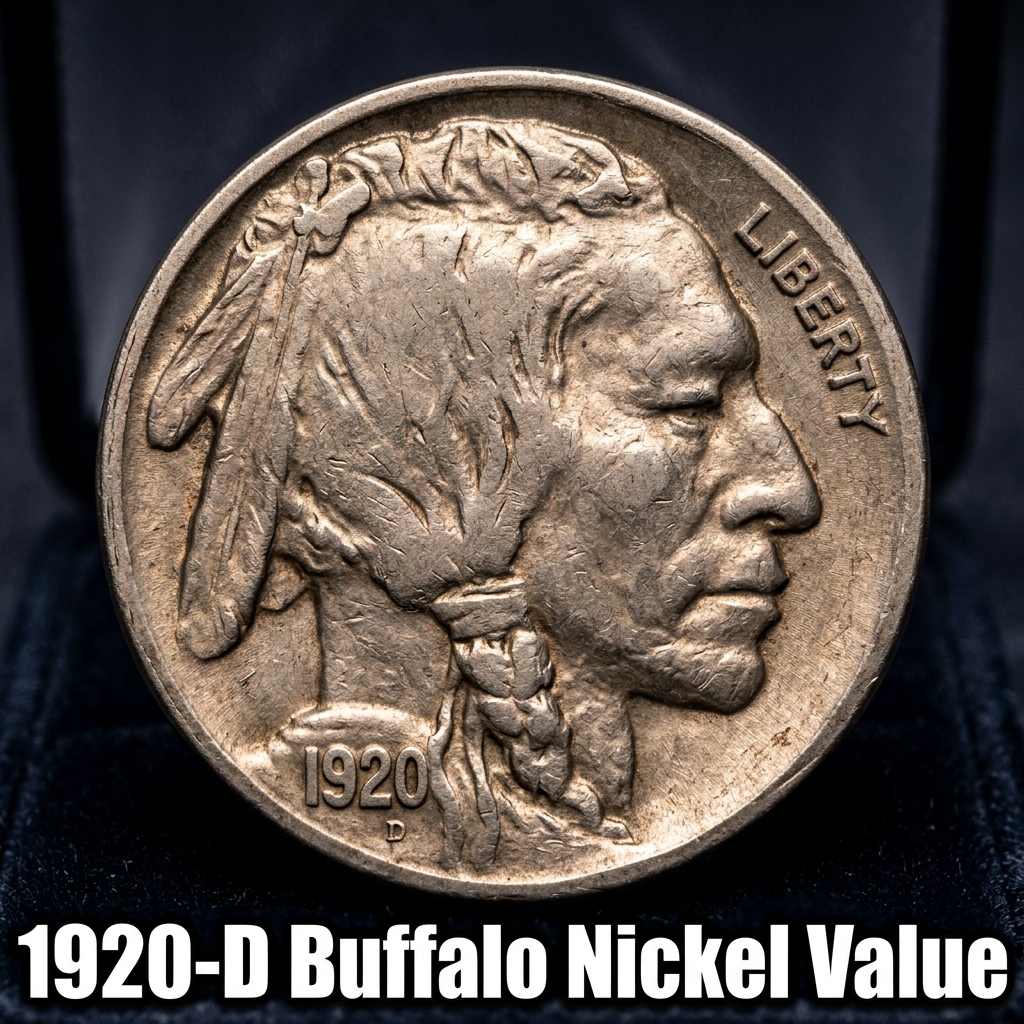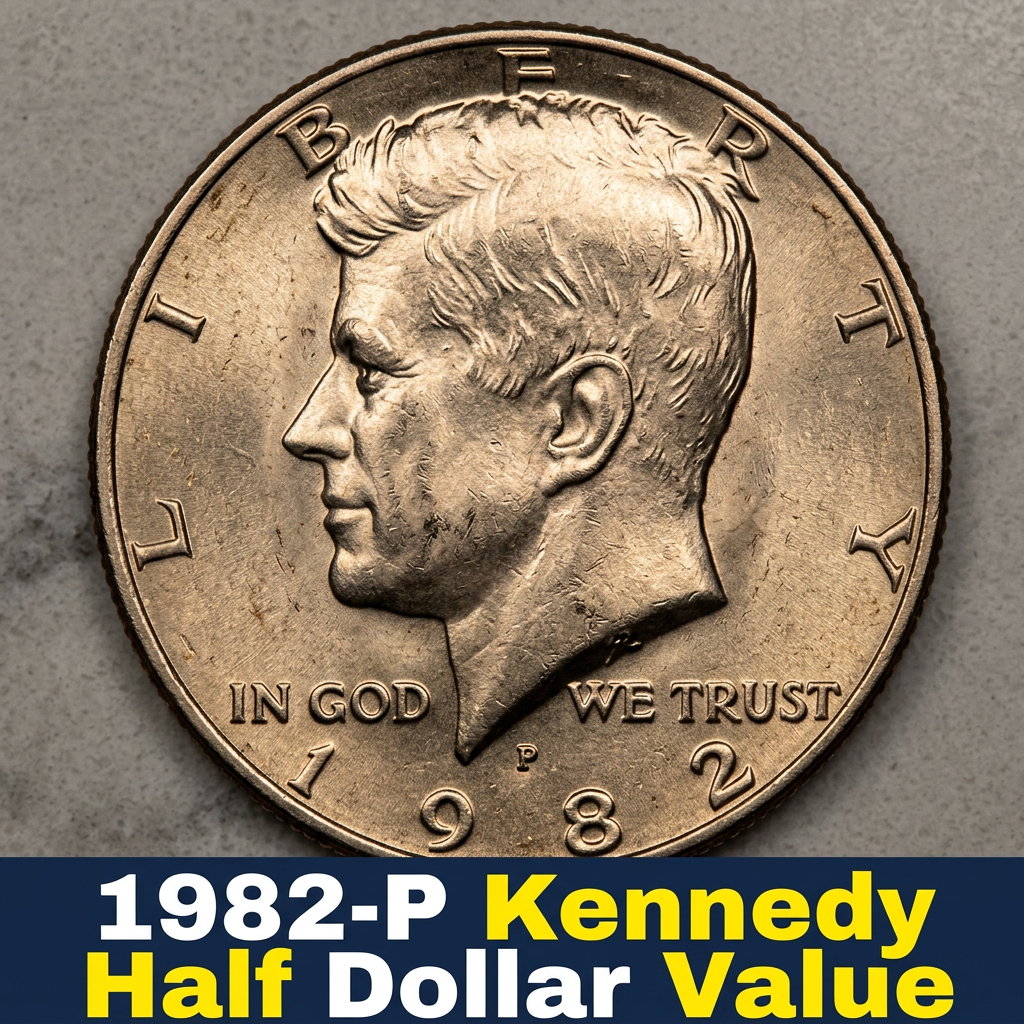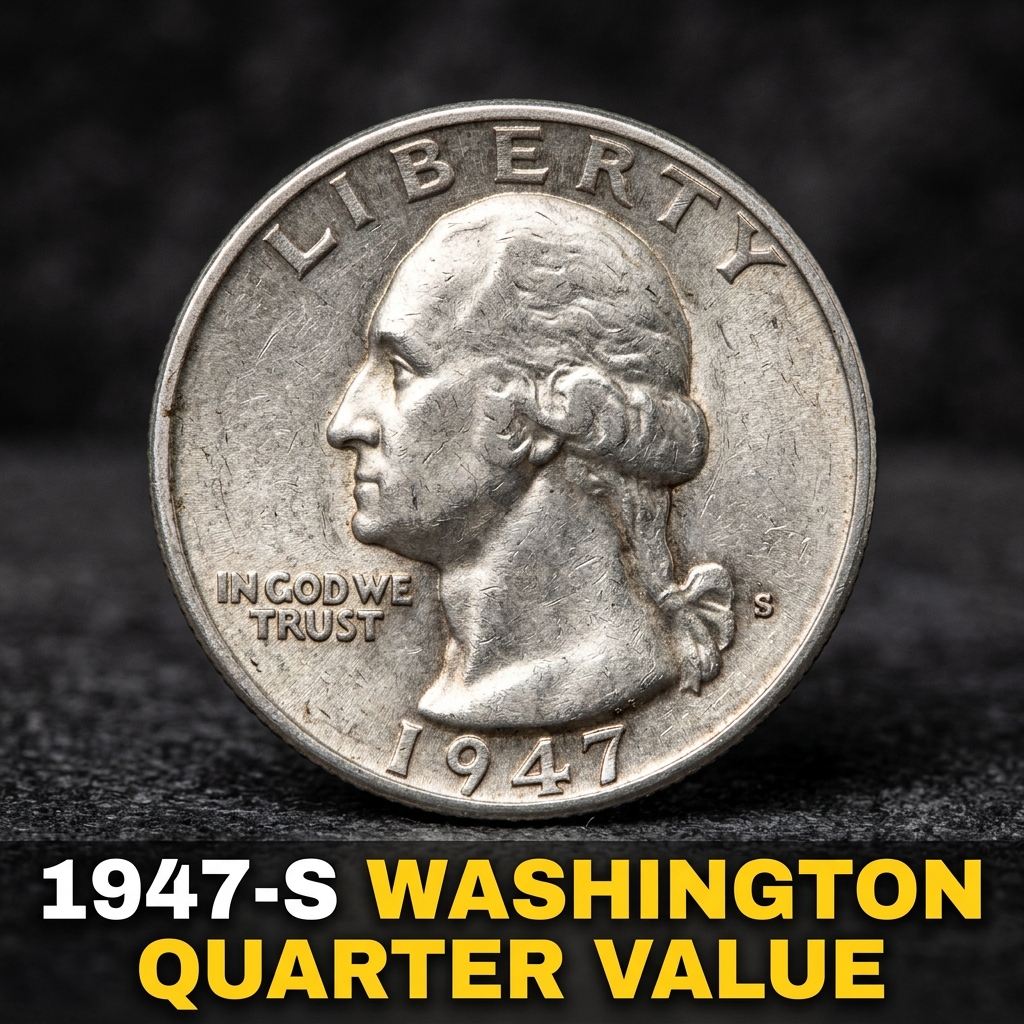
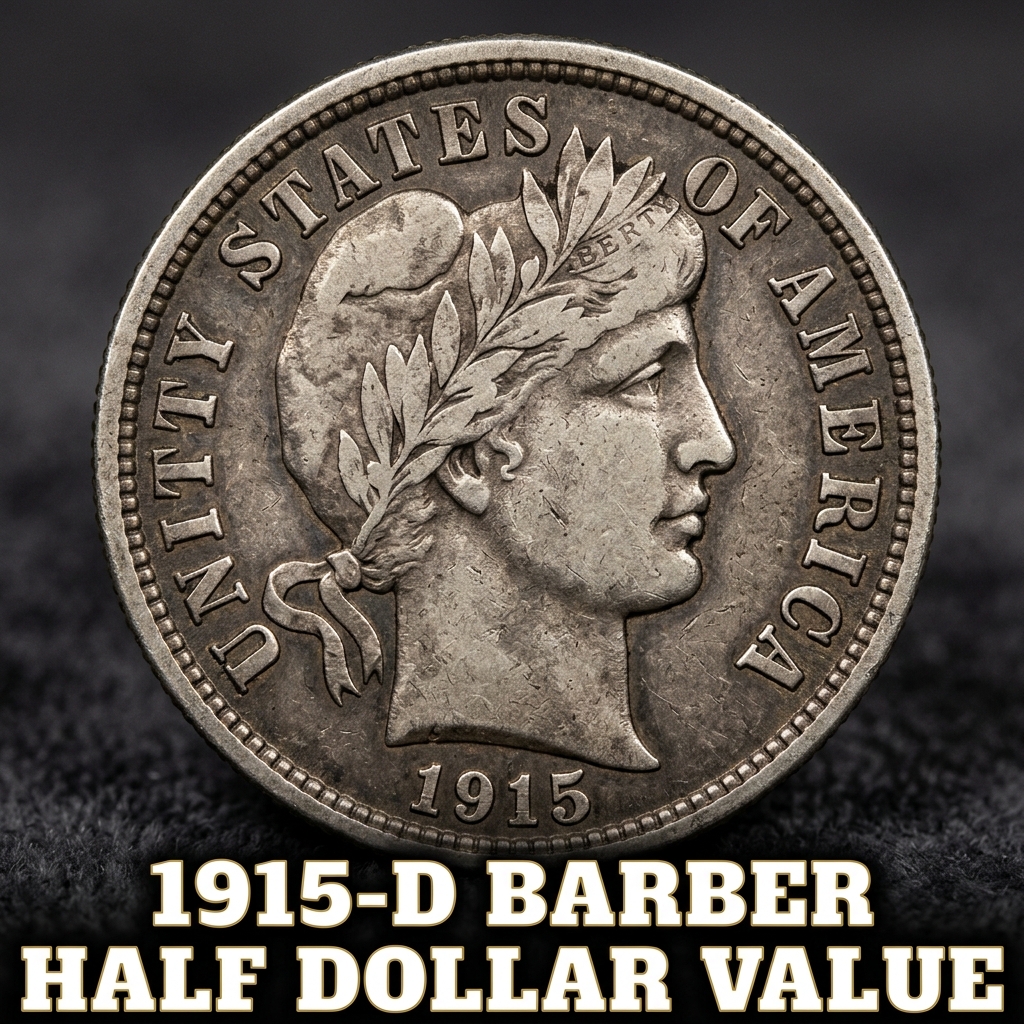
The 1915-D Barber Half Dollar is worth anywhere from $20 in heavily worn condition to well over $500 in lightly circulated grades — and in pristine mint state, the right example can fetch thousands of dollars. If you’ve come across one of these silver coins at an estate sale, in an old drawer, or tucked away in a family collection, you’re holding a piece of American numismatic history that’s definitely worth a closer look.
What Makes the 1915-D Barber Half Dollar Special
The 1915-D Barber Half Dollar was struck at the Denver Mint — that’s what the “D” mintmark stands for — during the final years of the Barber coinage series. Designed by Charles E. Barber, this coin was produced from 1892 to 1915, making the 1915-D one of the last of its kind. That end-of-series status alone gives it extra appeal among collectors.
The Denver Mint struck just 1,170,400 of these coins in 1915, which is considered a relatively modest mintage. Compared to some other half dollar issues of the era, the 1915-D isn’t the rarest coin in the world, but it’s not a pushover either. Coins with lower mintages tend to survive in smaller numbers today, and finding one in great shape is genuinely exciting.
If you want to get a quick idea of what your coin might be worth before diving deep, using a free coin identifier app is a smart first step. You can snap a photo and get instant guidance without needing expert knowledge.
How Condition Affects the 1915-D Barber Half Dollar Value
With old silver coins like this one, condition is everything. A coin that has been passed from hand to hand for decades will look very different from one that spent a century sitting quietly in a collection. Coin graders use a scale from 1 to 70, where higher numbers mean better condition.
In circulated grades — coins that saw real everyday use — the 1915-D Barber Half Dollar typically shows wear on Liberty’s head and the eagle’s feathers. Even a worn example still carries solid value because of its silver content (the coin is 90% silver) and its age. In better circulated grades like Very Fine (VF-20) or Extremely Fine (EF-40), values jump considerably.
Mint state coins, meaning examples that never circulated, are where the big money comes in. An MS-63 example can easily bring $800 to $1,200 at auction, and the finest known specimens can go much higher.
| Grade | Description | Estimated Value |
|---|---|---|
| G-4 (Good) | Heavy wear, major design visible | $20 – $25 |
| VG-8 (Very Good) | Clear design, moderate to heavy wear | $28 – $38 |
| F-12 (Fine) | Even wear across high points | $45 – $65 |
| VF-20 (Very Fine) | Light to moderate wear, details clear | $80 – $120 |
| EF-40 (Extremely Fine) | Light wear on high points only | $175 – $250 |
| AU-50 (About Uncirculated) | Slight wear, much original luster | $300 – $450 |
| MS-63 (Mint State) | No wear, some minor marks | $800 – $1,200 |
| MS-65 (Gem Mint State) | Sharp strike, strong luster | $2,500+ |
Silver Value and Why It Matters
Even if your 1915-D Barber Half Dollar is too worn to excite a collector, it still has real value because of the silver inside. Each Barber Half Dollar contains 0.3617 troy ounces of pure silver. When silver is trading around $28 per ounce (prices fluctuate, so always check current rates), your coin’s melt value alone is roughly $10 to $11.
That’s essentially a floor price — your coin is almost always worth more than just its silver content because of the collector interest in Barber coinage. Even a beat-up example in Good condition sells for double or triple the silver melt value.
This is also why it pays to know exactly what you have before selling. Many people unknowingly trade valuable coins for close to nothing. Checking detailed coin value references for early 1900s U.S. coinage can give you a much clearer picture before you make any decisions.
How to Get Your 1915-D Barber Half Dollar Appraised
If you think your coin might be in a higher grade, getting it professionally appraised is absolutely worth the effort. Services like PCGS and NGC will grade and encapsulate your coin in a tamper-evident holder, which makes it easier to sell and typically adds buyer confidence.
For a quick at-home check, CoinHix is a popular app that lets you identify coins and get estimated values instantly using your smartphone camera. It’s a great way to get a ballpark figure before spending money on a formal grading submission.
You can also bring your coin to a local coin shop or coin show. Experienced dealers can spot high-grade coins quickly, and many will offer free informal opinions. Just make sure to get more than one opinion before selling.
CoinHix also keeps a running database of recent auction results, so you can compare your coin to examples that actually sold — not just wishful asking prices.
FAQ
Q: How do I know if my 1915-D Barber Half Dollar is real?
A: A genuine 1915-D Barber Half Dollar weighs 12.5 grams and measures 30.6 mm in diameter. The “D” mintmark appears on the reverse, just above the “DO” in DOLLAR. If the weight or size is off, or the mintmark looks suspicious, consult a dealer or use CoinHix to run a quick check before spending money on a formal authentication.
Q: Is a 1915-D Barber Half Dollar rare?
A: It’s not considered a rare coin in worn grades — most dealers stock a few at any given time. However, finding one in About Uncirculated or better condition is genuinely uncommon, and a gem mint state example is rare enough that serious collectors will compete for it at auction.
Q: Where is the best place to sell a 1915-D Barber Half Dollar?
A: For worn examples, a local coin dealer or online silver coin buyers offer quick and fair prices. For higher-grade coins, submitting to PCGS or NGC first and then listing through major auction houses like Heritage Auctions will usually get you the best return. Always know your coin’s value before selling — resources like CoinHix make that first step easy.