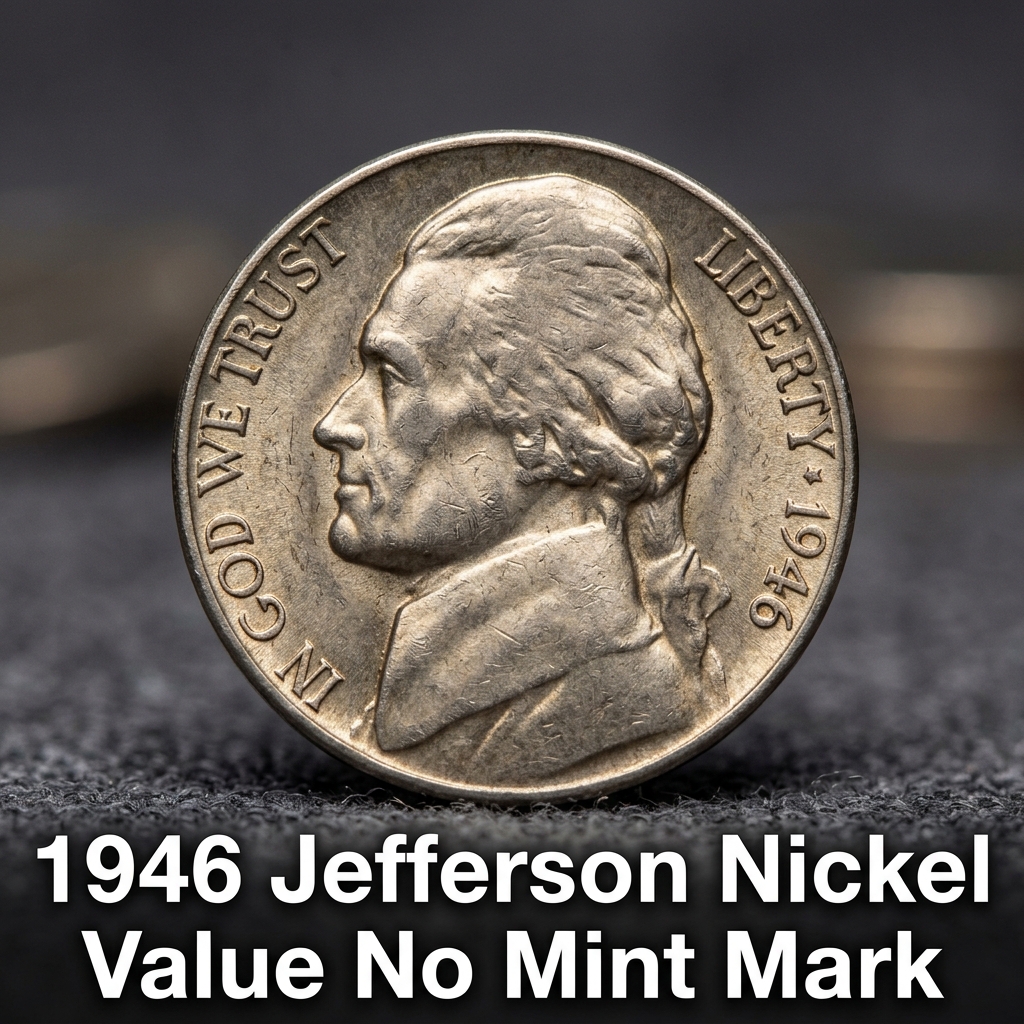
The 1946 Jefferson Nickel with no mint mark is worth anywhere from 10 cents in heavily worn condition to over $50 or more in top uncirculated grades — and a few exceptional examples have sold for hundreds of dollars at auction. If you just found one of these coins in an old jar or coin collection, you’re in the right place to find out exactly what it might be worth.
After World War II ended, the Philadelphia Mint resumed normal nickel production in 1946 — and that’s where coins with no mint mark come from. The “P” mint mark wasn’t used on Jefferson Nickels at that time, so a blank space where a mint mark would normally appear tells you this coin was made in Philadelphia. To quickly identify your coin, you can use a free coin identifier app right from your phone — it takes just a few seconds and gives you a fast read on what you’re holding.
What Makes the 1946 Jefferson Nickel Special
The 1946 Jefferson Nickel marked a fresh start for American coinage. During the war years (1942–1945), nickels were made with 35% silver to conserve nickel for military use. By 1946, the Mint returned to the standard 75% copper and 25% nickel composition — so your 1946 coin contains no silver at all.
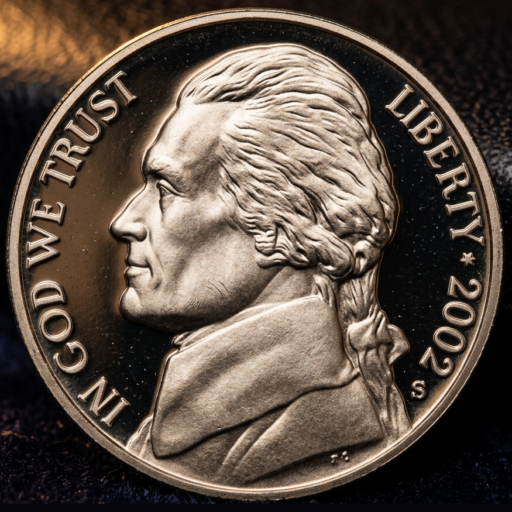
That said, this is still a coin with real collector appeal. The design by Felix Schlag features Thomas Jefferson’s portrait on the obverse and his Monticello home on the reverse. A full, sharp Monticello with strong steps on the front of the building is what collectors prize most.
Coins showing “Full Steps” (FS) on Monticello can be worth significantly more than standard examples. This detail is one of the first things a serious collector or dealer will look at.
1946 Jefferson Nickel Value No Mint Mark by Grade
The condition of your coin matters more than almost anything else when it comes to value. Here’s a simple breakdown:
| Grade / Condition | Estimated Value |
|---|---|
| Good (G-4) – Heavy Wear | $0.10 – $0.25 |
| Fine (F-12) – Moderate Wear | $0.25 – $0.50 |
| Extremely Fine (EF-40) | $0.75 – $2.00 |
| About Uncirculated (AU-55) | $2.00 – $5.00 |
| Mint State (MS-63) | $8 – $20 |
| Mint State (MS-65) | $25 – $60 |
| MS-65 Full Steps (FS) | $100 – $300+ |
For the most up-to-date auction data, you can check out the 1946 Jefferson Nickel price history and recent sales records to see what real buyers are actually paying right now.
How to Tell If Your Coin Is Worth More
Most 1946 nickels you find in circulation will show heavy wear — Jefferson’s cheekbones will be flat, and Monticello’s steps will be nearly invisible. Those are worth face value or just a few cents over.
But if your coin still has visible luster (that original shiny surface from the Mint), crisp lettering, and you can count five or six distinct steps on Monticello, you may have something worth getting professionally graded.
Look at the coin under good lighting without touching the surface with your fingers. Oils from your hands can reduce the coin’s grade — and its value. If you think your coin looks pristine, consider submitting it to PCGS or NGC for professional grading before selling.
The CoinHix app can also help you understand grading basics right from home. It’s a great first step before spending money on professional services.
1946 Nickel Mint Mark Varieties and How They Compare
The Philadelphia coin (no mint mark) had the highest mintage in 1946 — over 161 million were struck. The Denver Mint (D) and San Francisco Mint (S) also produced 1946 nickels, and all three are collectible.
Here’s a quick comparison:
| Mint Mark | Mintage | MS-65 Value (approx.) |
|---|---|---|
| No Mint Mark (Philadelphia) | 161,116,000 | $25 – $60 |
| D (Denver) | 45,292,200 | $20 – $55 |
| S (San Francisco) | 13,560,000 | $30 – $80 |
The San Francisco version is the rarest of the three and tends to command higher prices in top condition. For a deeper dive into what your 1946 nickel is worth across all three mint marks and grades, that resource breaks it down clearly with current market data.
Where to Sell Your 1946 Jefferson Nickel
Once you know what you have, the next question is where to sell it. For circulated coins in lower grades, local coin shops, flea markets, and eBay are all reasonable options. For high-grade or Full Steps examples, a major auction house like Heritage Auctions or Stack’s Bowers can help you reach serious collectors who’ll pay top dollar.
Before selling anywhere, use CoinHix to compare current prices and recent sold listings. It helps you avoid selling a $200 coin for $10 simply because you didn’t know what it was worth. Knowledge is your best tool — and it’s free with CoinHix.
—
FAQ
Q: Is the 1946 Jefferson Nickel with no mint mark made of silver?
A: No. The 1946 Jefferson Nickel returned to the standard composition of 75% copper and 25% nickel. Only wartime nickels from 1942–1945 contained silver (35%). Your 1946 coin has no silver content.
Q: What does “Full Steps” mean on a 1946 Jefferson Nickel?
A: Full Steps (FS) refers to the steps on the front of Monticello being fully visible and sharply defined on the reverse of the coin. Most struck examples show weak or incomplete steps due to soft strikes or die wear. Coins with 5 or 6 full steps are considered premium quality and can be worth several times more than a standard example in the same grade.
Q: How do I know if my 1946 nickel is valuable?
A: Start by checking the condition — look for sharp detail on Jefferson’s face, clear lettering, original luster, and complete Monticello steps. If the coin looks like it was never spent, it could be worth $25 to $300 or more depending on the grade. Use a tool like the CoinHix app to get a quick estimate, or submit your coin to a grading service like PCGS or NGC for an official assessment.