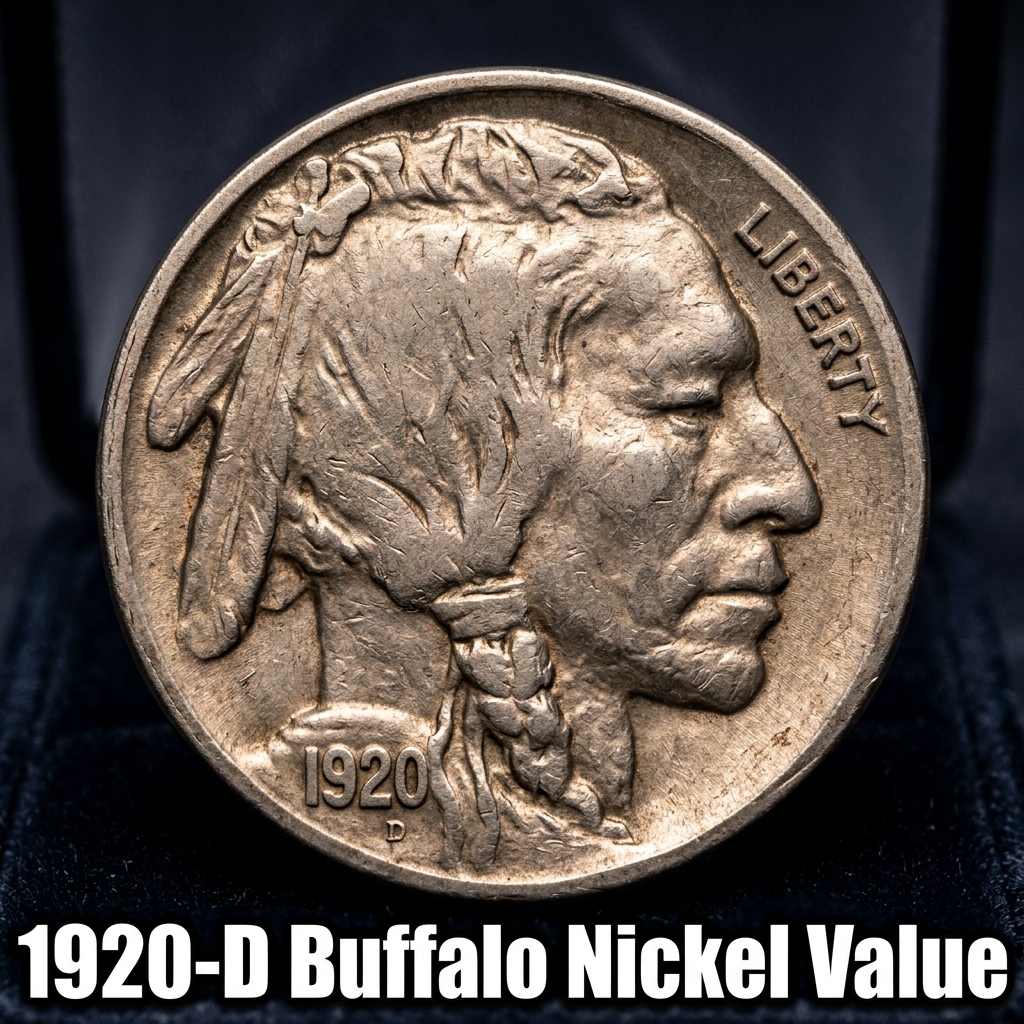
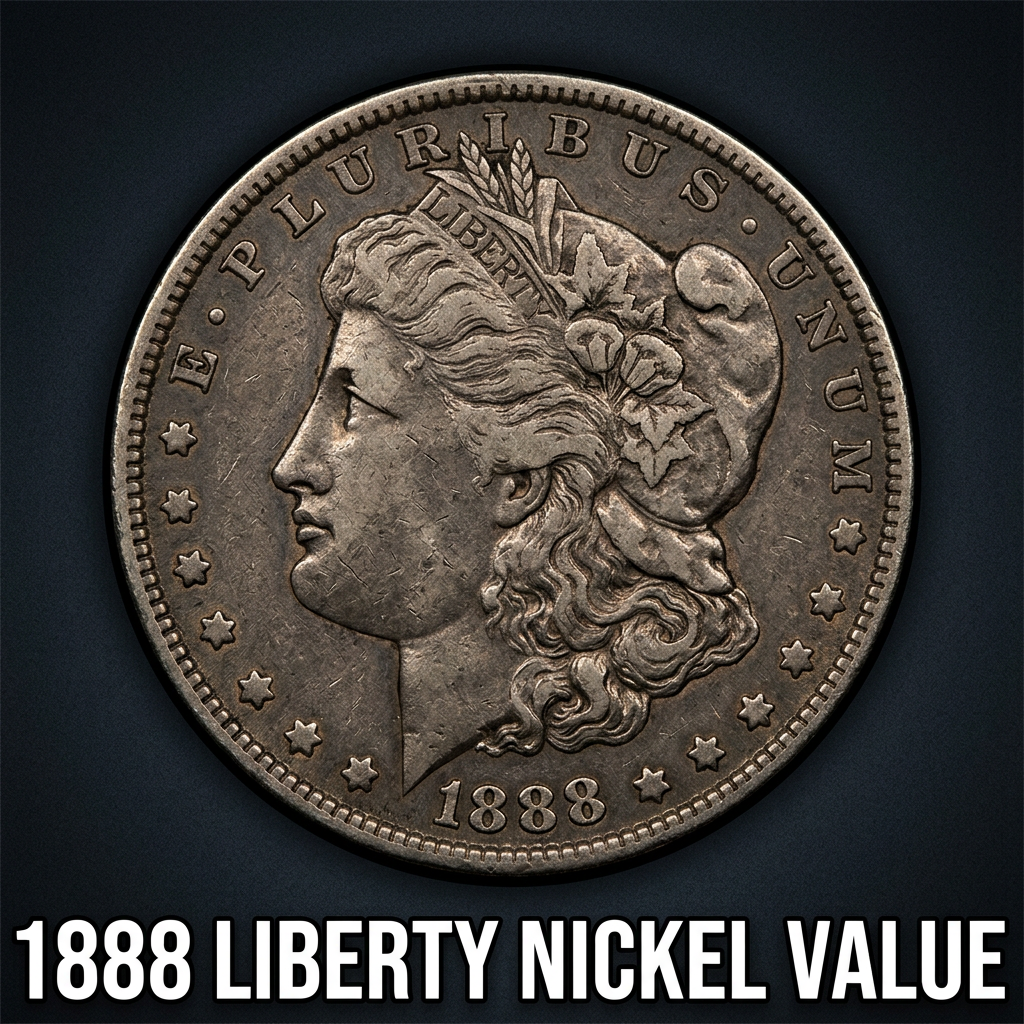
The 1888 Liberty Nickel is worth anywhere from $2 in heavily worn condition to over $100 or more in well-preserved mint state examples. If you recently found one of these old nickels in a drawer, a jar, or an inherited coin collection, you might be sitting on something worth more than five cents.
What Is the 1888 Liberty Nickel?
The 1888 Liberty Nickel is part of the Liberty Head Nickel series, also known as the “V Nickel” because of the Roman numeral V on the reverse side. These coins were minted from 1883 to 1912, and the 1888 issue was produced at the Philadelphia Mint with a mintage of about 10.7 million coins.
Even though millions were made, most have been lost, melted, or heavily circulated over the past 130+ years. That’s what makes surviving examples — especially in nicer condition — genuinely interesting to collectors.
The coin features a left-facing portrait of Liberty on the obverse, surrounded by 13 stars and the date. The reverse displays the Roman numeral V inside a wreath with “UNITED STATES OF AMERICA” around the edge.
If you’re not sure what coin you’re holding, a free coin identifier app can help you match your coin to its series and year in seconds. It’s one of the easiest ways to start your research.
1888 Liberty Nickel Value by Grade
Coin value is almost entirely determined by condition, which collectors call “grade.” A coin in poor shape with barely readable details is worth very little. But one that still shows sharp lettering, full design details, and minimal wear can fetch a real premium.
Here’s a general value guide for the 1888 Liberty Nickel:
| Grade | Description | Estimated Value |
|---|---|---|
| Good (G-4) | Heavy wear, outline visible | $2 – $4 |
| Very Good (VG-8) | Moderate wear, major details clear | $5 – $8 |
| Fine (F-12) | Light to moderate wear | $10 – $15 |
| Very Fine (VF-20) | Light wear on high points | $18 – $30 |
| Extremely Fine (EF-40) | Slight wear, sharp details | $35 – $55 |
| Mint State (MS-63+) | No wear, original luster | $100 – $300+ |
For the most current 1888 Liberty Nickel prices across all mint state grades, it’s worth checking a real-time database that tracks recent auction results and dealer listings.
What Makes Some 1888 Nickels Worth More?
Beyond basic wear, a few factors can push the value of your 1888 Liberty Nickel higher than average.
Strike quality matters a lot. Some coins from this era were weakly struck, meaning the fine details of Liberty’s hair or the wreath on the reverse didn’t come out sharp. A coin with a bold, full strike is more desirable and more valuable.
Original surfaces also play a big role. Coins that have been cleaned with household products or polished often look shiny but actually lose value because experienced collectors can spot the damage. A coin with original, undisturbed surfaces — even if slightly toned — is always preferred.
Eye appeal is another factor dealers talk about. Two coins graded the same can still have very different prices if one simply looks better. Natural toning, clean fields, and a well-centered design all contribute.
If you want a professional opinion, CoinHix is a great tool to check real-time market prices and see how similar coins have sold recently at auction.
How Does the 1888 Nickel Compare to Other Old Coins?
If you’re exploring the value of coins from the same era, you might also be curious about silver coinage from 1888. For example, you can learn about the 1888 silver dollar’s value and what makes it so collectible — silver dollars from this period can be worth significantly more than nickels, sometimes hundreds to thousands of dollars depending on mint mark and condition.
It’s always smart to evaluate all the old coins you find together, not just one at a time. You might be surprised which ones turn out to be the real treasures.
How to Find Out What Your 1888 Nickel Is Worth Today
The best starting point is knowing your coin’s condition. Look at it under good lighting and compare it to grading images online. Be honest — most coins pulled from old jars are in Good to Fine condition, not Mint State.
Next, check recent sales data. CoinHix lets you look up actual auction prices for Liberty Nickels by date and grade, so you’re not just guessing based on old price guides.
If the coin appears to be in exceptional condition — no wear at all, original luster, sharp details — it may be worth sending to a professional grading service like PCGS or NGC. A certified grade adds credibility and often increases what a buyer will pay.
For quick identification on the go, CoinHix also offers tools to help you sort through a collection and estimate values without needing to be an expert.
FAQ
Q: Is my 1888 Liberty Nickel made of silver?
A: No, the 1888 Liberty Nickel is made of 75% copper and 25% nickel. It contains no silver. The coin’s value comes entirely from its age, condition, and collector demand — not metal content.
Q: How do I know if my 1888 nickel has been cleaned?
A: Cleaned coins often look unnaturally bright or show fine hairline scratches under magnification. If the coin looks shinier than its age suggests, it may have been polished. Cleaned coins are worth noticeably less than original-surface examples, even if they look appealing at first glance.
Q: Where is the best place to sell an 1888 Liberty Nickel?
A: Options include coin dealers, online auction platforms like eBay or Heritage Auctions, and local coin shows. For valuable specimens, getting a professional grade from PCGS or NGC first can help you get a fair price. Checking current market data on CoinHix before you sell will also help you set realistic expectations.