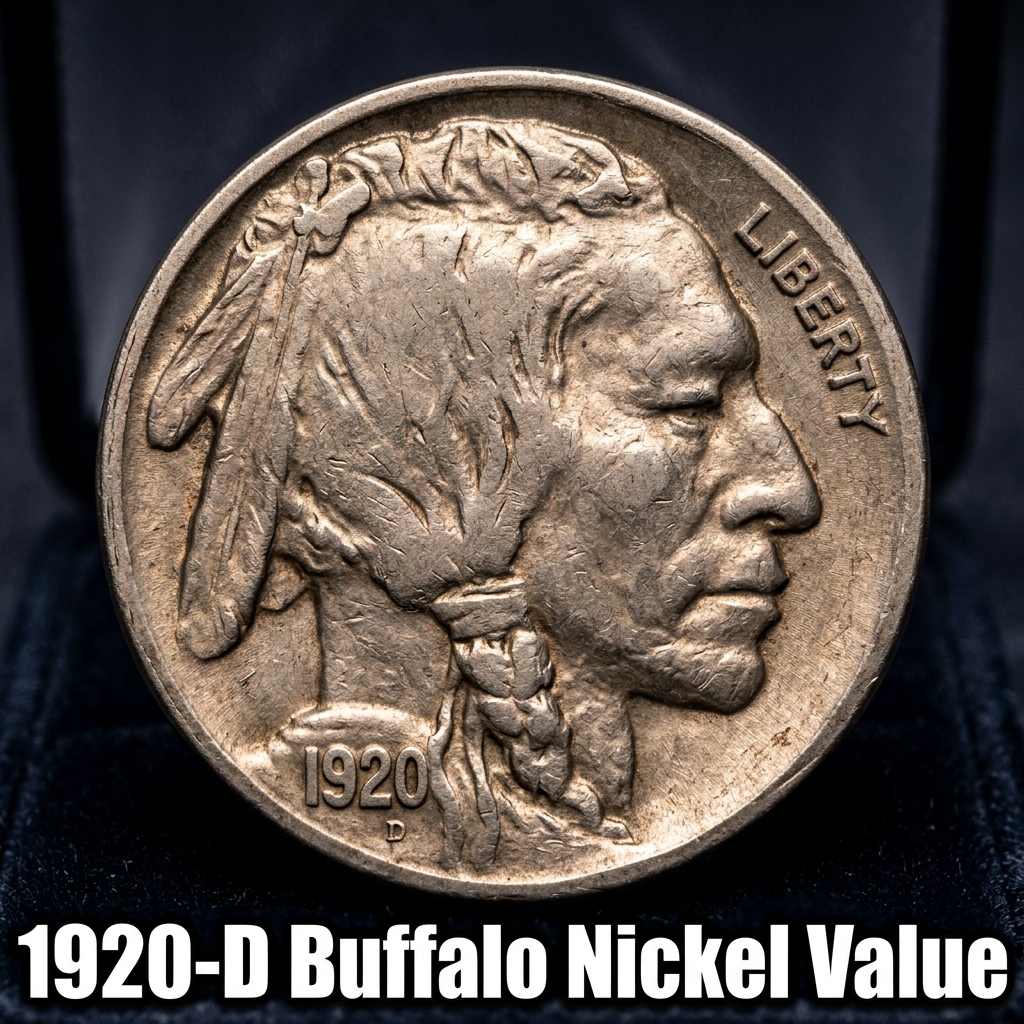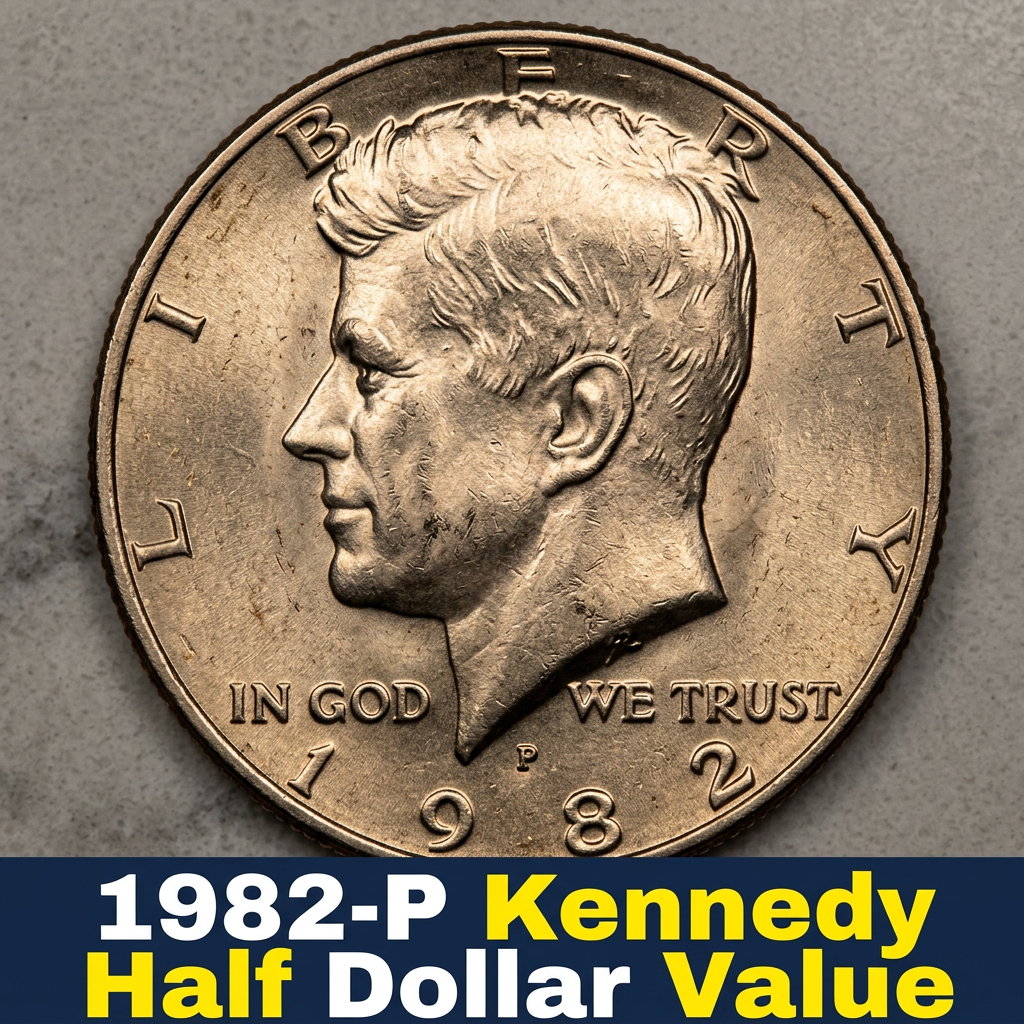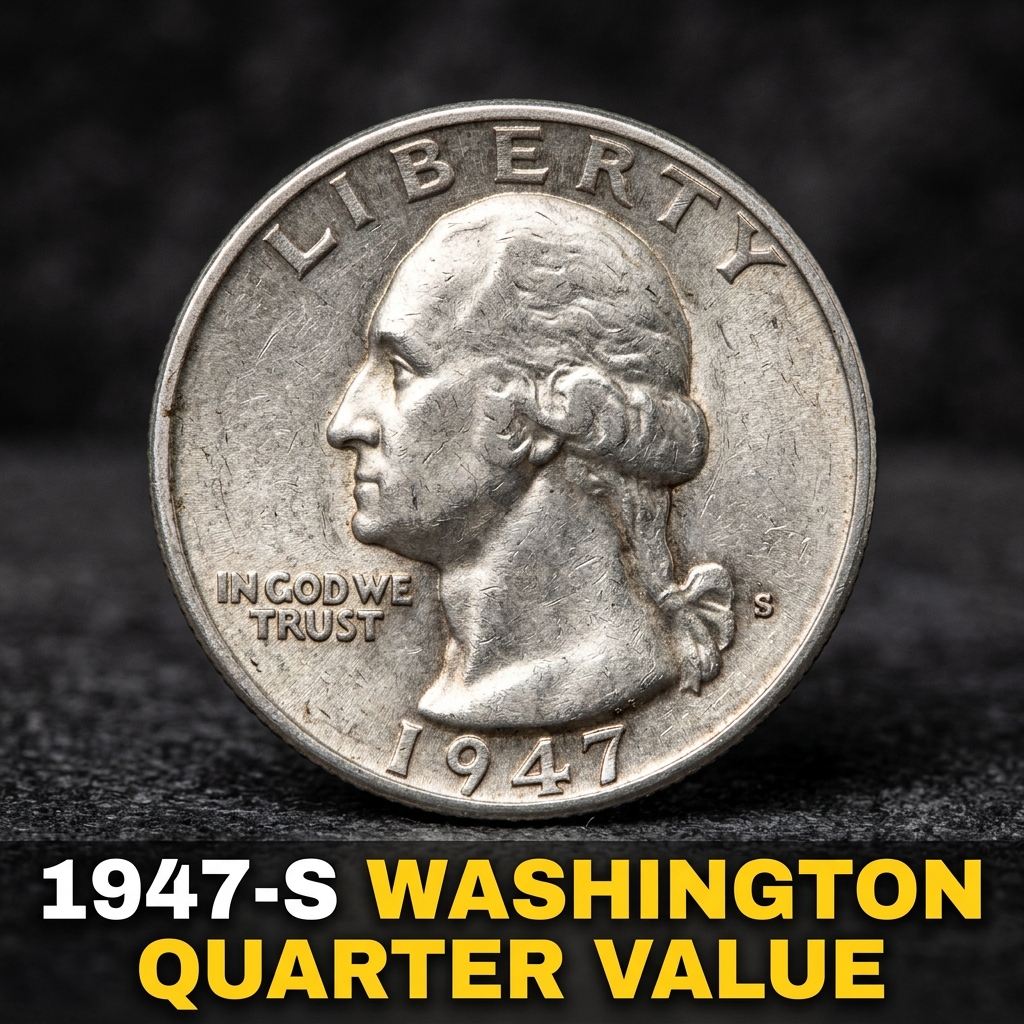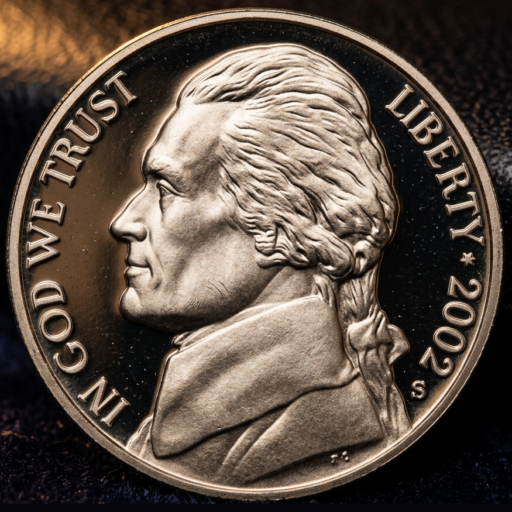
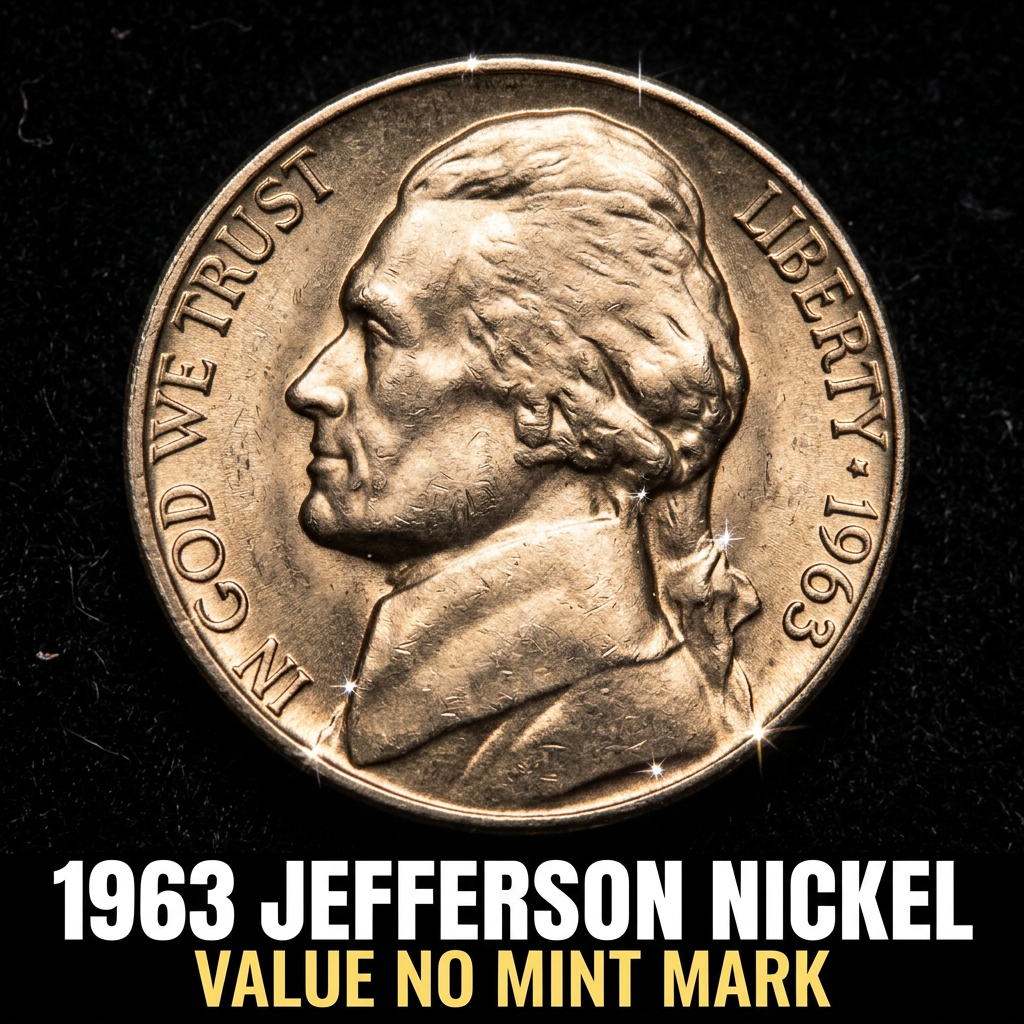
The 1963 Jefferson Nickel with no mint mark is worth anywhere from 5 cents in heavily worn condition to over $100 or more in pristine, uncirculated grades. If you just found one of these coins in an old jar or your grandfather’s collection, you’re in the right place — let’s break down exactly what it’s worth and what to look for.
What the No Mint Mark Means on a 1963 Nickel
When you see a 1963 Jefferson Nickel with no mint mark, that simply means it was struck at the Philadelphia Mint. In 1963, Philadelphia was one of the main production facilities for U.S. coinage, and they didn’t place a mint mark on their coins at the time. This is completely normal — it doesn’t make the coin rare or defective.
That said, it’s still a coin worth checking carefully. The Philadelphia Mint produced over 178 million nickels in 1963, so most of them are common. But condition is everything in the coin world, and even a “common” coin can surprise you if it’s been sitting undisturbed for decades.
If you want to get a quick read on what your coin looks like compared to graded examples, try a free coin identifier app — it can help you match your coin’s condition to a real market value in seconds.
1963 Jefferson Nickel Value by Grade
The value of a 1963 Jefferson Nickel no mint mark depends almost entirely on its grade — that is, how well-preserved it is. Here’s a general breakdown of what collectors and dealers are paying:
| Grade | Description | Estimated Value |
|---|---|---|
| Good (G-4) | Heavy wear, outline visible | $0.05 – $0.10 |
| Fine (F-12) | Moderate wear, some detail | $0.10 – $0.25 |
| Extremely Fine (EF-40) | Light wear on high points | $0.50 – $1.00 |
| About Uncirculated (AU-58) | Slight friction, near full luster | $1.00 – $3.00 |
| MS-63 (Uncirculated) | No wear, some bag marks | $5 – $15 |
| MS-65 (Gem Uncirculated) | Sharp strike, strong luster | $25 – $60 |
| MS-67 or higher | Near perfect, top-tier example | $100+ |
For the most current market data, you can check real-time 1963 Jefferson Nickel prices across mint state grades — it’s updated regularly and gives you a solid pricing baseline.
How to Tell If Your 1963 Nickel Is Worth More
Most circulated 1963 nickels from Philadelphia are only worth face value or a few cents above it. But there are a few things that can make your coin stand out from the crowd.
First, look at the steps on Monticello — the building on the reverse of the coin. If you can count five or six clear, unbroken steps leading up to the entrance, your coin may qualify as a “Full Steps” specimen. Full Steps (FS) nickels are significantly more valuable, sometimes selling for multiples of regular examples in the same grade.
Second, look for any errors or unusual features. Doubled dies, off-center strikes, and repunched dates are all types of mint errors that can add real collector value. These aren’t common, but they do exist.
CoinHix is a great tool for checking if your coin matches known error varieties — it has a large database of Jefferson Nickel varieties and lets you compare your coin to certified examples easily.
Is a 1963 Jefferson Nickel Silver?
This is one of the most common questions people ask, and the answer is no — the 1963 Philadelphia Nickel is not silver.
Jefferson Nickels from 1965 onward and all standard Philadelphia issues are made of 75% copper and 25% nickel. The only silver Jefferson Nickels were the “War Nickels” produced from 1942 to 1945, and those have a large mint mark (P, D, or S) above the dome of Monticello on the reverse.
If your 1963 nickel has no mint mark and looks like a regular coin, it’s the standard copper-nickel composition. Still worth checking its condition though — a gem uncirculated example is always more exciting than face value.
For a full breakdown of what your specific coin might be worth based on its appearance, this detailed 1963 nickel value guide walks you through condition, mint marks, and variety comparisons in plain language.
Tips for Selling or Keeping Your 1963 Jefferson Nickel
If your coin looks worn and shows lots of circulation, it’s probably only worth face value — and that’s okay. Most 1963 nickels fall into this category, and they make great pocket-change history pieces.
If your coin looks bright, shiny, and untouched — especially if it came from an old mint set or a roll — it may be worth getting a professional opinion. Consider submitting it to PCGS or NGC for grading if you believe it’s a Gem Uncirculated example.
CoinHix makes the process of researching and cataloging your coins much easier, whether you’re a casual hobbyist or a serious collector. You can log your coins, track values over time, and compare your examples against certified population reports — all in one place.
Before buying, selling, or trading, always research current market conditions. Jefferson Nickels from this era are widely collected, and prices can shift depending on what’s available in top grades.
—
Frequently Asked Questions
Q: How much is a 1963 Jefferson Nickel with no mint mark worth?
A: In average circulated condition, it’s worth face value to about 25 cents. In uncirculated grades like MS-65, it can be worth $25–$60. High-grade gems at MS-67 or above can exceed $100.
Q: Does the 1963 nickel have silver in it?
A: No. The 1963 Philadelphia Nickel is made of 75% copper and 25% nickel. Only the 1942–1945 War Nickels contain silver, and they’re identifiable by a large mint mark above Monticello on the reverse.
Q: What makes a 1963 Jefferson Nickel more valuable?
A: Key factors include the coin’s grade (condition), whether it has Full Steps on Monticello’s reverse, and any mint errors like doubled dies or off-center strikes. A coin that meets Full Steps criteria in high mint state grades can be worth significantly more than a standard example.