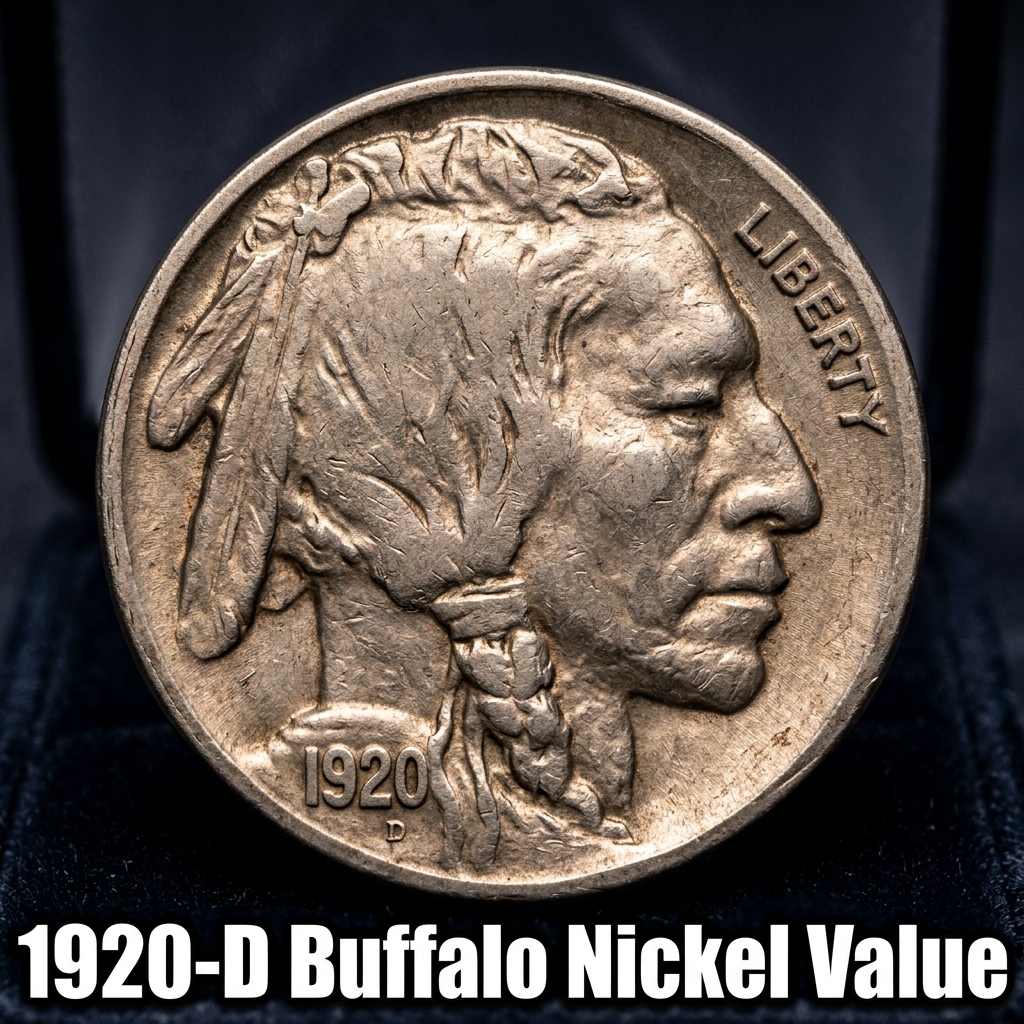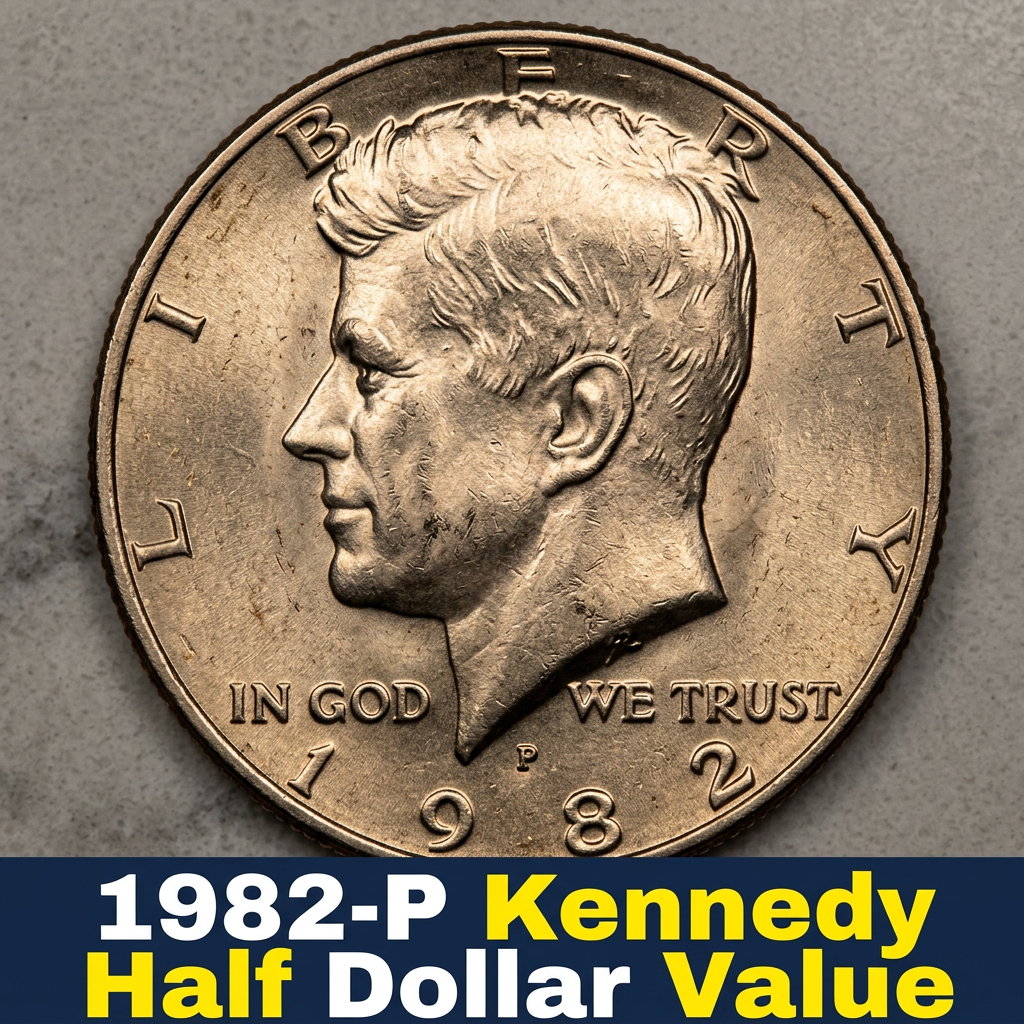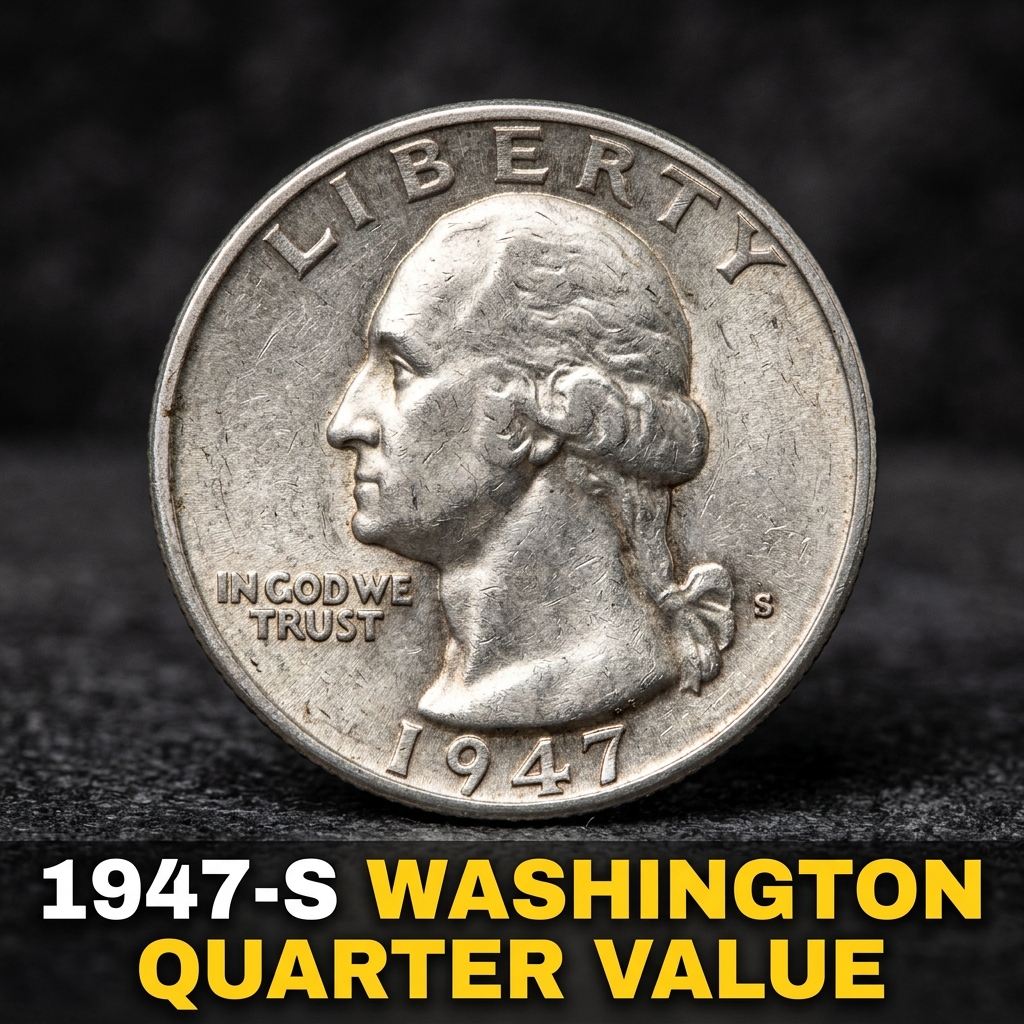
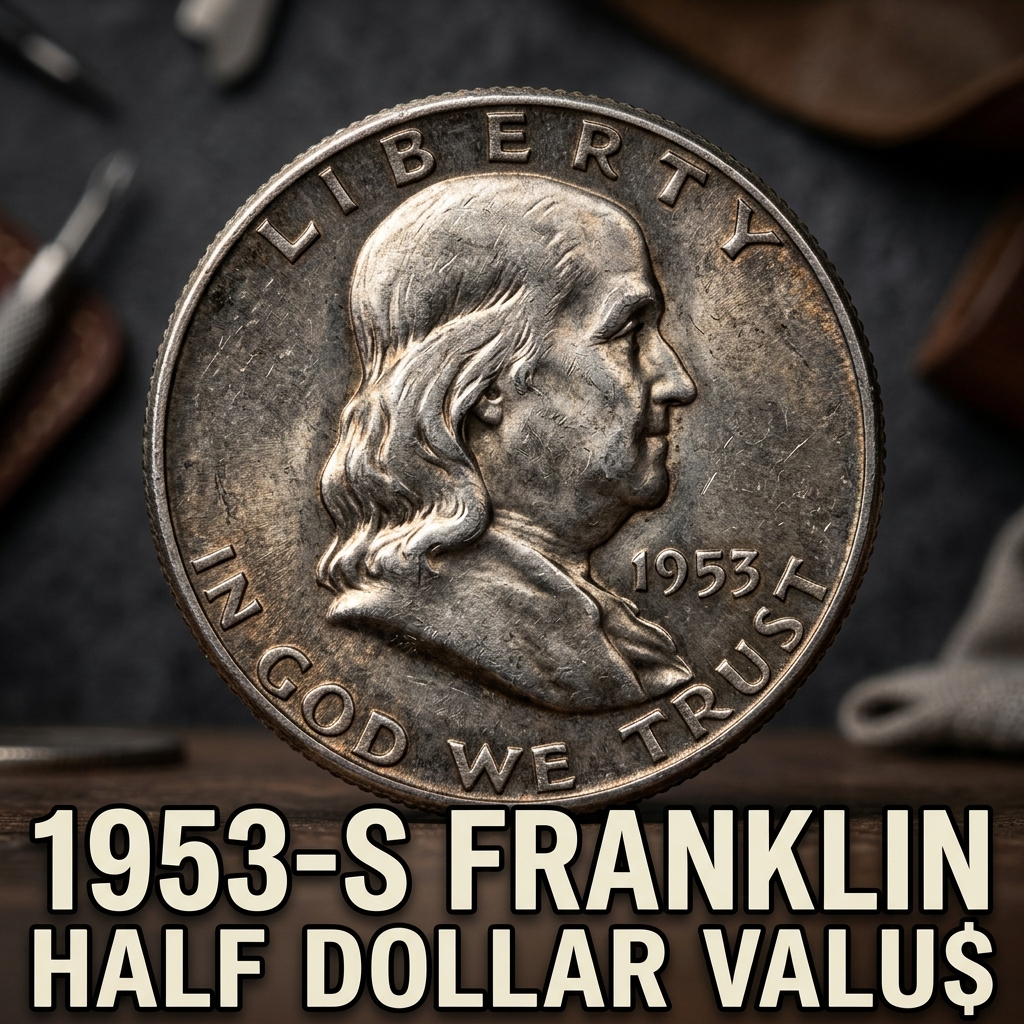
The 1953-S Franklin Half Dollar is worth anywhere from $10 in heavily worn condition to over $200 or more in top mint state grades — and a few exceptional examples have sold for thousands at auction. If you found one of these silver coins in an old collection, drawer, or estate sale, you’re in the right place to find out exactly what it might be worth.
What Makes the 1953-S Franklin Half Dollar Special
The 1953-S Franklin Half Dollar was minted at the San Francisco Mint, which is where the “S” mintmark comes from. You’ll find that mintmark on the reverse side of the coin, just above the Liberty Bell. The coin was struck in 90% silver, which already gives it melt value regardless of its collector grade.
Franklin Half Dollars were minted from 1948 to 1963, and the 1953-S is considered a moderately available date — not super rare, but not common enough to be ignored either. Coin collectors pay special attention to the condition of the bell lines on the reverse. When those lines are sharp and fully struck, the coin earns a higher designation and commands a significantly higher price.
If you want to quickly identify what you have, using a free coin identifier app is a smart first step before heading to a dealer or auction.
1953-S Franklin Half Dollar Value by Grade
The value of your 1953-S Franklin Half Dollar depends heavily on its condition, also called its “grade.” A coin that has been sitting in a pocket for decades looks very different from one stored in a collection since it was minted.
Here’s a general breakdown of current market values:
| Grade | Description | Estimated Value |
|---|---|---|
| Good (G-4) | Heavy wear, design visible | $10 – $12 |
| Fine (F-12) | Moderate wear, details clear | $12 – $15 |
| Extremely Fine (EF-40) | Light wear on high points | $16 – $22 |
| About Uncirculated (AU-55) | Slight wear, mostly sharp | $25 – $40 |
| MS-63 | Mint state, minor marks | $60 – $90 |
| MS-65 | Gem quality, strong luster | $150 – $250+ |
| MS-65 FBL | Full Bell Lines designation | $500 – $1,500+ |
For the most up-to-date figures, you can check the 1953-S Franklin Half Dollar MS grade price data on CoinHix, which tracks real auction results across major platforms.
The Full Bell Lines Factor — Why It Matters So Much
One of the most unique things about Franklin Half Dollars is the Full Bell Lines (FBL) designation. On the reverse of the coin, the Liberty Bell has horizontal lines across the lower portion. When those lines are sharply and completely struck, PCGS or NGC will label the coin “FBL.”
An MS-63 coin without FBL might sell for around $60–$90. That same coin graded MS-63 FBL can jump to $200 or even $400. At MS-65 FBL, you’re looking at serious money — sometimes over $1,000.
The 1953-S is known to have some strike quality variation, meaning not every coin came off the press with full lines. That makes FBL examples genuinely harder to find and more desirable to collectors. If your coin looks sharp around the bell lines, it’s worth getting professionally graded before you sell.
CoinHix makes it easy to compare certified coin prices so you know exactly what grade range your coin is trading at right now.
Silver Melt Value and Why It Sets the Floor
Even if your 1953-S Franklin Half Dollar is worn down and not collectible quality, it still has real value because it contains 90% silver. Each coin weighs 12.5 grams, with approximately 0.3617 troy ounces of pure silver inside.
With silver prices typically ranging between $25 and $30 per troy ounce (fluctuating with the market), your coin has a base melt value of roughly $9 to $11 just from the silver content alone. That means even the most beat-up example isn’t worthless.
This is why dealers and collectors often refer to circulated silver coins as “junk silver” — not because they’re trash, but because they trade based on silver spot price rather than numismatic value. Still, even a few dollars above melt is worth knowing about.
You can find a full breakdown of 1953 Half Dollar value information including silver content and collector premiums to help you understand exactly what you’re holding.
How to Get the Best Price for Your 1953-S Franklin Half Dollar
If you think your coin might be in mint state condition — meaning it was never circulated — the smartest move is to have it professionally graded by PCGS or NGC before selling. A certified grade adds credibility and usually increases what buyers are willing to pay.
For coins in circulated condition, your best options include local coin shops, eBay (check completed sales, not just listings), and coin shows. Avoid cleaning your coin — even a light polish can strip numismatic value instantly.
Download CoinHix to track recent auction prices and get a real-time sense of what collectors are paying for 1953-S Franklin Half Dollars in various grades. It’s one of the easiest ways to walk into any sale negotiation with confidence.
FAQ
Q: How do I know if my 1953-S Franklin Half Dollar has Full Bell Lines?
A: Look at the lower section of the Liberty Bell on the reverse. You’ll see horizontal lines — if they’re complete and sharp across the full width without gaps or weak spots, your coin may qualify for the FBL designation. You’ll need a professional grader like PCGS or NGC to make it official, but a good magnifying glass can give you a first impression.
Q: Is a 1953-S Franklin Half Dollar rare?
A: It’s not considered a key date, but it’s not common either. The San Francisco Mint produced about 4.1 million of them in 1953, which is on the lower end compared to Philadelphia issues. In circulated grades it’s easy to find, but in high mint state grades — especially with Full Bell Lines — it becomes genuinely scarce and collectible.
Q: Should I clean my 1953-S Franklin Half Dollar before selling it?
A: No — never clean a collectible coin. Cleaning removes the original surface patina and leaves hairline scratches that dramatically reduce value. A naturally toned, uncleaned coin will almost always sell for more than one that’s been polished. Dealers can spot a cleaned coin immediately, and it can drop the coin’s grade and value significantly.