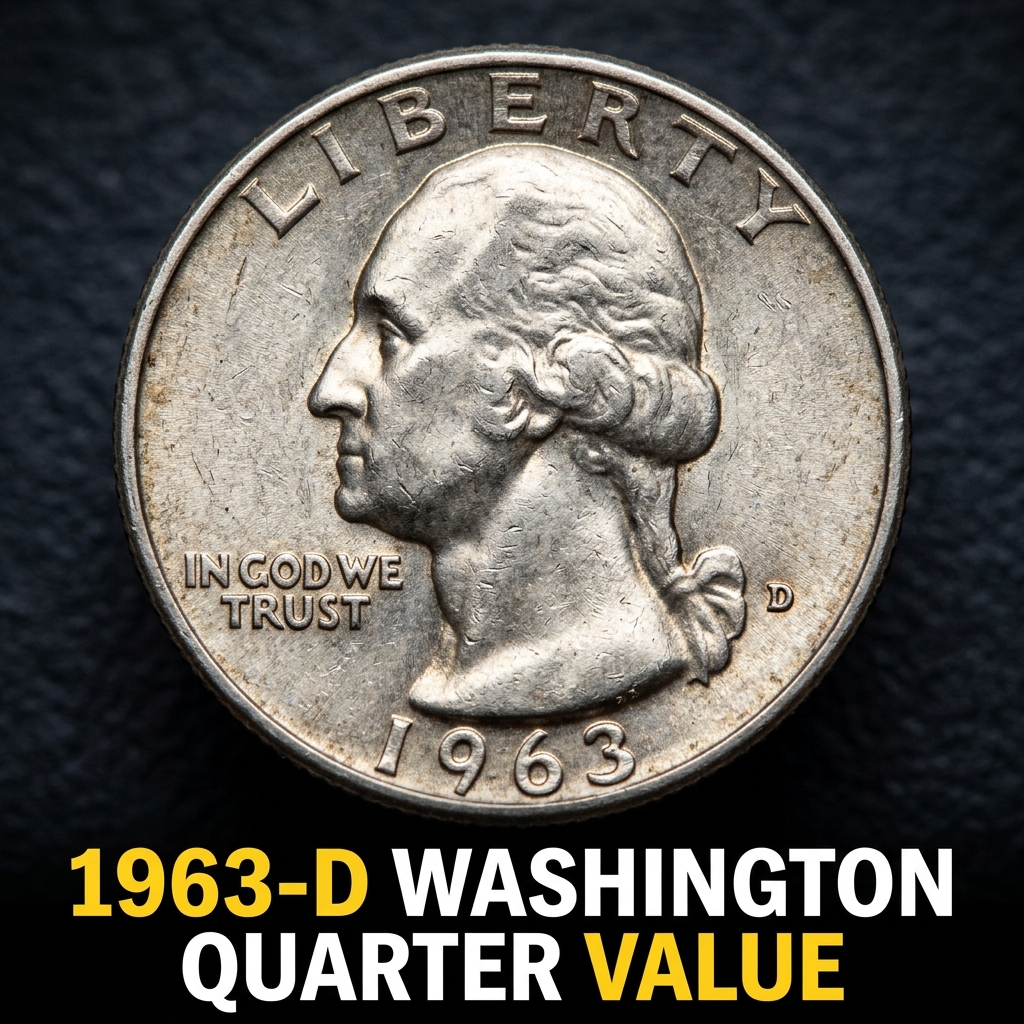
The 1963-D Washington Quarter is worth anywhere from $5 in average circulated condition to over $15,000 or more in top-tier mint state grades. If you found one of these silver quarters in an old jar, a coin collection, or tucked away in a drawer, you might be sitting on more than just pocket change — especially if it’s in great shape.
What Makes the 1963-D Washington Quarter Special
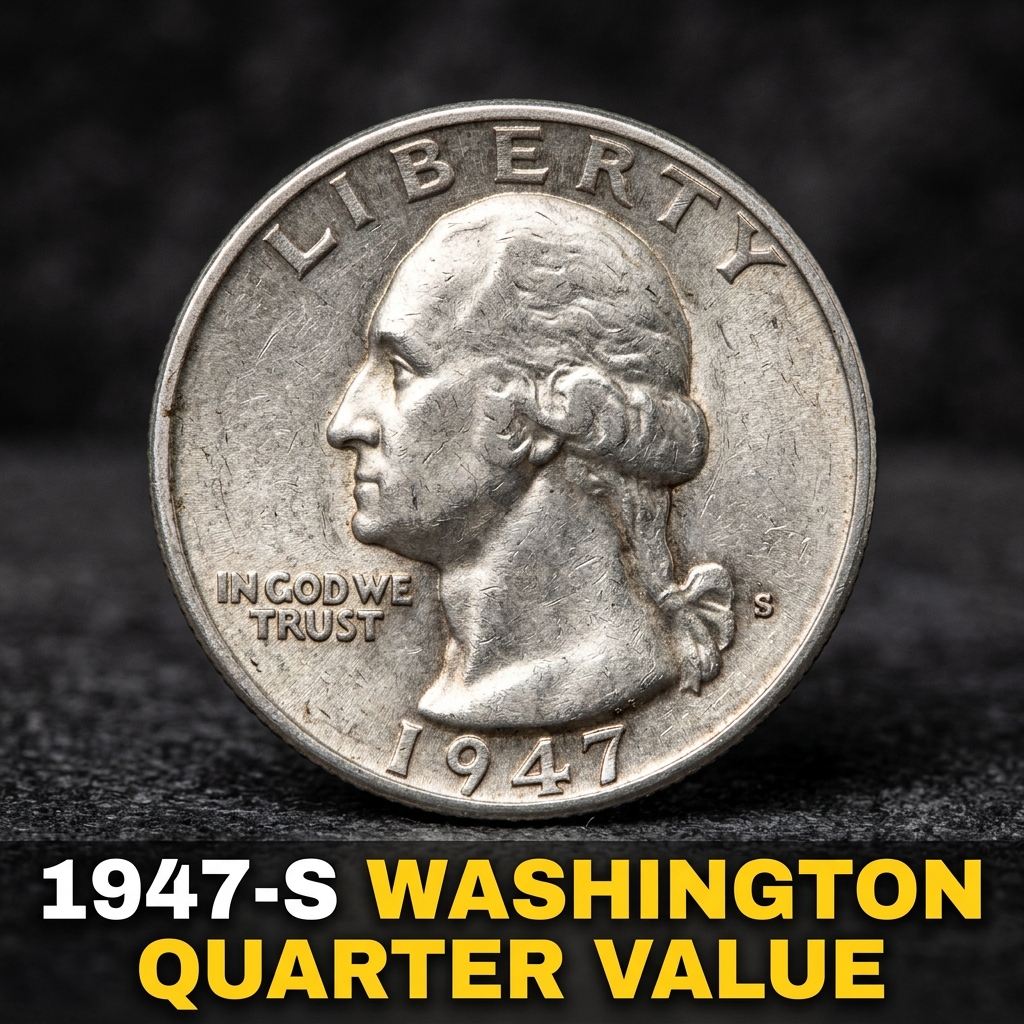
The 1963-D Washington Quarter was struck at the Denver Mint, which is indicated by the small “D” mintmark you’ll find on the reverse side of the coin, just to the right of the bow in the ribbon below the eagle. Denver produced a massive 32,309,000 of these quarters in 1963, making them relatively common in circulated grades but still exciting in high mint state condition.
One of the most important things to know is that this coin is made of 90% silver and 10% copper. That means even a worn example has real metal value — what collectors call “melt value.” As of recent silver prices, the silver content alone in a 1963-D quarter is worth around $4 to $5, which gives every single one of them a solid floor value.
Because of its silver composition and its place in pre-1965 U.S. coinage history, the 1963-D Washington Quarter remains a favorite among casual collectors and serious numismatists alike. If you’re not sure whether your coin is silver, a free coin identifier app can help you confirm the details in seconds.
1963-D Washington Quarter Value by Grade
The condition of your coin — called its “grade” — has the biggest impact on how much it’s worth. A coin that looks like it went through a washing machine is worth far less than one that appears nearly brand new. Here’s a simple breakdown of typical values:
| Grade | Condition Description | Estimated Value |
|---|---|---|
| Good (G-4) | Heavy wear, design visible | $5 – $6 |
| Fine (F-12) | Moderate wear, all lettering clear | $6 – $7 |
| Extremely Fine (EF-40) | Light wear on high points | $8 – $10 |
| About Uncirculated (AU-58) | Slight friction, mostly sharp | $12 – $20 |
| Mint State (MS-63) | Uncirculated, some marks | $25 – $40 |
| Mint State (MS-65) | Gem uncirculated, few flaws | $65 – $150 |
| Mint State (MS-67) | Superb gem, near perfect | $1,500 – $15,000+ |
You can explore detailed 1963-D Washington Quarter mint state price data across all MS grades to get a more precise picture of where your coin fits in the market.
How to Check the Condition of Your 1963-D Quarter
You don’t need to be a professional to get a rough idea of what your coin is worth. Start by looking at the high points of the design — Washington’s cheek, hair above his ear, and the eagle’s breast feathers on the reverse. If those areas look smooth and worn flat, your coin is in circulated condition and falls in the lower value range.
If the coin looks shiny and sharp with no signs of wear, you might have an uncirculated specimen worth significantly more. Hold it under a single light source and tilt it gently — mint state coins will show cartwheel luster (a rolling shine) when moved.
Avoid cleaning your coin under any circumstances. Even a quick rinse can destroy the original surface and drop the value dramatically. Collectors strongly prefer coins in original, untouched condition, no matter how dirty they appear.
For a fast and reliable at-home assessment, CoinHix is one of the best tools available. CoinHix lets you scan your coin and get an instant grade estimate and value range — no coin expertise required.
Are There Any Rare 1963-D Quarters Worth Big Money
Most 1963-D Washington Quarters are common coins, but a few factors can push one into the “rare and valuable” category. The most significant factor is grade — in MS-67 or higher, these coins become genuinely scarce and can command thousands of dollars at auction.
Error coins are another exciting possibility. Known errors on Washington Quarters from this era include doubled dies, off-center strikes, and repunched mintmarks. These mistakes happened during the minting process and make a coin highly collectible if authenticated.
If you think your coin might have an error — for example, if lettering looks doubled or the design looks slightly off-center — that’s worth investigating further. You can also check a complete breakdown of 1963 quarter values including error varieties and rare finds to see if your coin matches any known varieties.
CoinHix can also help flag potential error characteristics when you scan your coin, giving you a helpful starting point before you take it to a professional grader.
Should You Sell or Keep Your 1963-D Washington Quarter
If your coin is circulated and in typical worn condition, it’s worth keeping as a piece of American silver coinage history or selling to a coin dealer as part of a silver lot. The silver melt value alone makes it worth more than face value.
If your coin is uncirculated or shows any unusual characteristics, it may be worth getting it professionally graded by PCGS or NGC before selling. A certified grade can significantly increase buyer confidence and the final sale price.
Either way, knowing what you have is always the first step — and that’s easier than ever today with modern tools and resources at your fingertips.
Frequently Asked Questions
Q: How do I know if my 1963-D quarter is silver?
A: All Washington Quarters dated 1964 and earlier are made of 90% silver. If your coin shows a “1963” date and a “D” mintmark, it is silver. You can also check the edge of the coin — a silver quarter has a solid silver edge with no copper stripe, unlike the copper-nickel clad quarters made after 1965.
Q: What does the “D” mintmark on a 1963 Washington Quarter mean?
A: The “D” stands for Denver, meaning the coin was produced at the Denver Mint in Colorado. You’ll find this small letter on the reverse of the coin, to the right of the ribbon below the eagle. Coins without a mintmark from 1963 were made at the Philadelphia Mint.
Q: Is a 1963-D Washington Quarter worth getting professionally graded?
A: It depends on the condition. If your coin shows no wear and has strong luster, professional grading by PCGS or NGC could be well worth the cost — especially if it grades MS-65 or higher. For circulated examples, the grading fee likely outweighs the benefit. Use a tool like CoinHix to get a quick initial assessment before spending money on professional services.