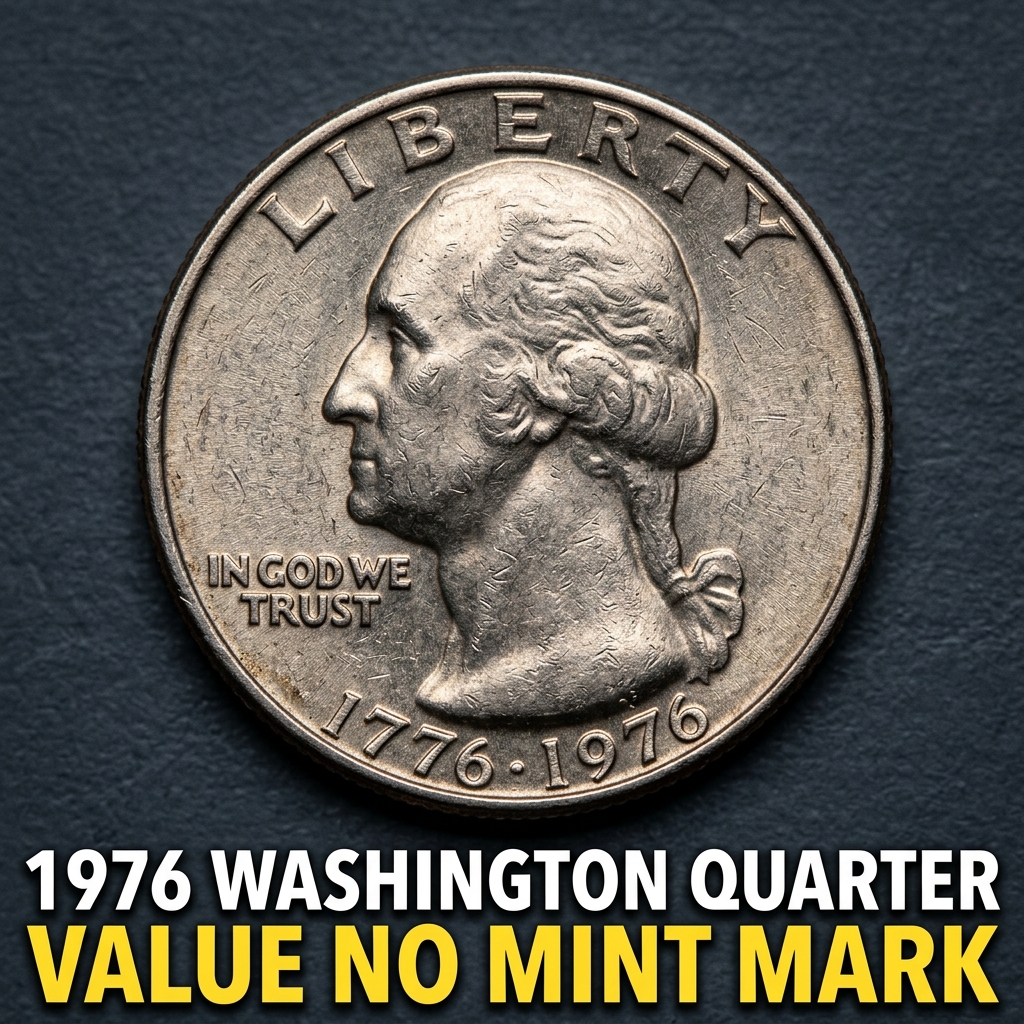
The 1976 Washington Quarter with no mint mark is worth anywhere from face value (25 cents) in heavily worn condition to $10 or more in pristine, uncirculated grades — and a handful of rare specimens have sold for hundreds of dollars at auction.
If you pulled one of these out of your pocket change or found it in an old jar, you’re not alone. Millions of Americans held onto the 1976 Bicentennial quarter because of its patriotic reverse design. The good news is that knowing exactly what you have is easier than ever — a free coin identifier app can help you get a quick read on your coin before you do anything else.
What Makes the 1976 Washington Quarter Special
The 1976 Washington Quarter is no ordinary coin. It was minted to celebrate the 200th anniversary of American independence, which is why you’ll see the familiar George Washington portrait on the front paired with a colonial drummer boy on the reverse — a design created by artist Jack L. Ahr.
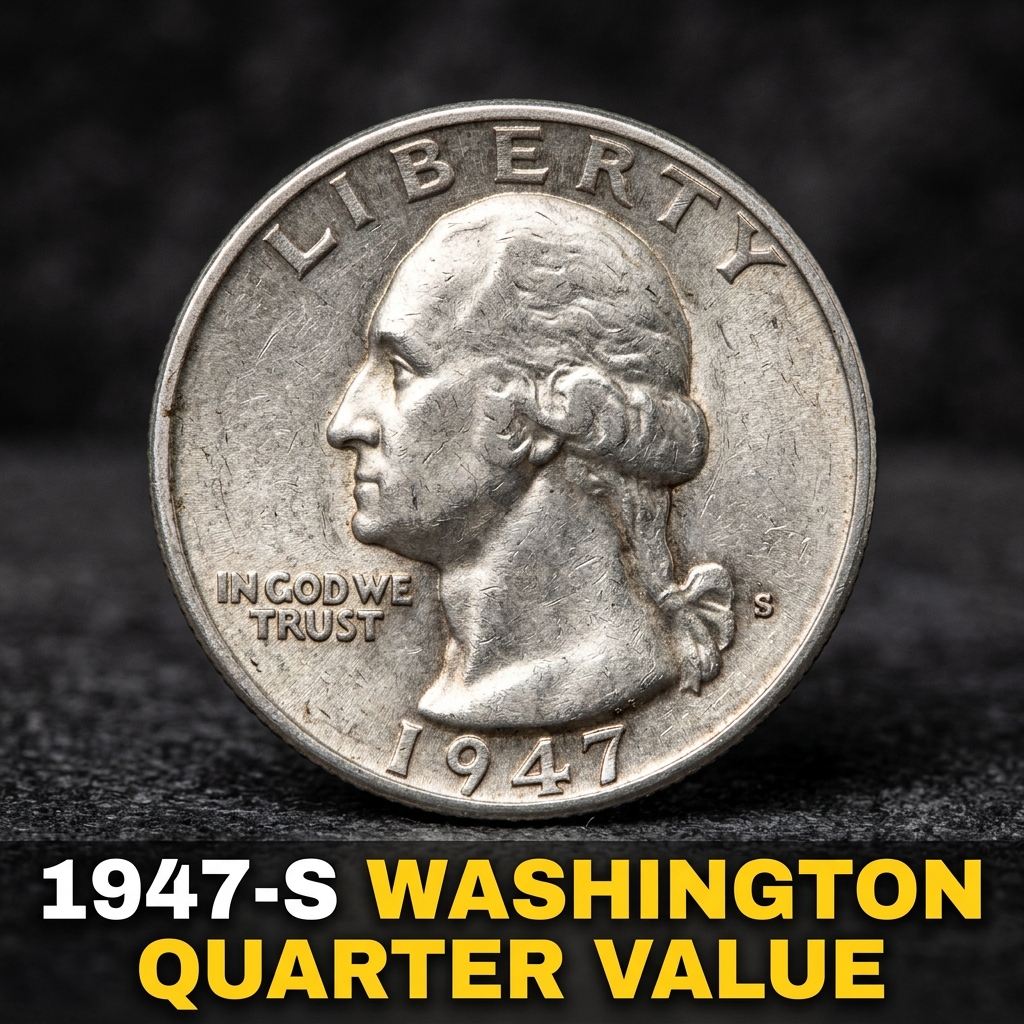
The “no mint mark” version means your coin was struck at the Philadelphia Mint. Philadelphia quarters from this era carry no letter, while Denver coins show a “D” and San Francisco issues carry an “S.”
This Bicentennial design was used throughout both 1975 and 1976 — meaning coins dated 1776–1976 were produced across two calendar years. The dual date on the obverse is one of its most distinctive features and one reason so many people kept them as keepsakes.
1976 Washington Quarter No Mint Mark Value by Grade
Condition is everything when it comes to coin values. A coin that looks shiny and sharp is worth far more than one that’s been circulated for decades. Here’s a general breakdown of what you can expect for the Philadelphia (no mint mark) clad version:
| Grade / Condition | Estimated Value |
|---|---|
| Circulated (Good to Fine) | $0.25 – $0.50 |
| Extremely Fine (EF-40) | $0.50 – $1.50 |
| About Uncirculated (AU-55) | $1.50 – $3.00 |
| Mint State MS-63 | $3.00 – $6.00 |
| Mint State MS-65 | $8.00 – $15.00 |
| Mint State MS-67 or Higher | $100 – $500+ |
For a deeper look at certified sale prices and current market data, you can explore 1976 Washington Quarter clad auction results and MS grade values — a great resource for tracking real-world prices.
Philadelphia Mint Output and Why Most Are Only Worth Face Value
The Philadelphia Mint struck over 809 million no-mint-mark Bicentennial quarters in clad (copper-nickel) composition. That’s an enormous number — which is exactly why most circulated examples are worth little more than 25 cents.
When a coin is mass-produced and widely circulated, its value in average condition stays close to face value. Supply and demand drive coin prices just like anything else.
That said, well-preserved examples — especially those grading MS-65 and above — are genuinely harder to find. Coins that spent decades untouched in original mint sets or carefully stored rolls are where the real value hides.
CoinHix is a great tool to quickly pull up certified population data, which tells you how many coins have been graded at each level. When you see fewer coins at MS-67, you understand why those command serious premiums.
Silver Collector Editions and Key Varieties to Know
Not every 1976 quarter is made of clad metal. The San Francisco Mint also produced 40% silver collector versions — but those carry an “S” mint mark and are a separate issue entirely.
If your coin has no mint mark and is made of the standard copper-nickel clad composition, it belongs to the Philadelphia series. You can test whether your coin might be silver by checking the edge — clad coins show a visible orange-copper layer on the rim, while silver coins will look uniformly silver throughout.
There are no major widely recognized error varieties for the 1976 Philadelphia quarter that command huge premiums — but die cracks, doubled die obverse, and off-center strikes do exist and can add real collector interest.
For a fuller picture of what the Bicentennial quarter is worth across all mint marks and conditions, check out this complete 1776 to 1976 quarter value guide covering all Philadelphia, Denver, and San Francisco issues.
How to Know What Your Coin Is Really Worth
The easiest way to get started is to use CoinHix, which lets you look up certified grades, recent auction prices, and population reports in seconds. It’s designed for both beginners and serious collectors.
If you want to quickly identify a coin before even diving into research, try CoinHix alongside a free coin identifier app — just snap a photo and get an instant match.
For coins you believe might grade MS-65 or higher, submitting to a third-party grading service like PCGS or NGC is worth considering. Professional grading adds credibility and can significantly boost resale value at auction.
—
FAQ
Q: Is a 1976 quarter with no mint mark worth keeping?
A: Most circulated examples are only worth face value. However, if your coin looks sharp, fully struck, and shows no wear under a magnifying glass, it could grade MS-65 or better — and those are worth holding onto or having professionally graded.
Q: How can I tell if my 1976 quarter is silver?
A: Look at the edge of the coin. A silver quarter will appear uniformly silver with no copper layer showing. A standard clad quarter will have a visible copper-orange stripe around the rim. No-mint-mark 1976 quarters are all clad — only “S” mint mark versions came in silver.
Q: Where can I find accurate current prices for my 1976 Washington Quarter?
A: The most reliable way is to check recent certified auction sales. Tools like CoinHix aggregate real market data so you can see what buyers are actually paying — not just estimated book values.