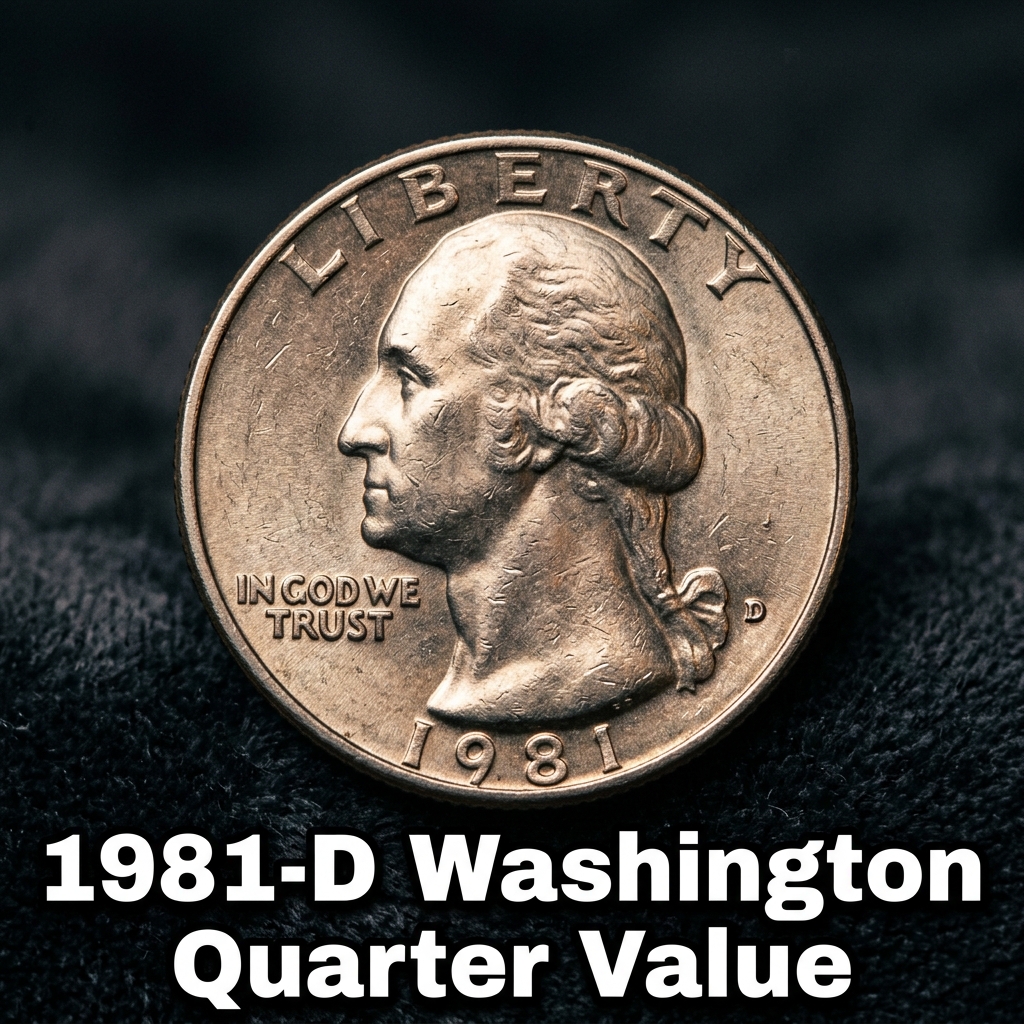
The 1981-D Washington Quarter is worth anywhere from 25 cents in heavily circulated condition to over $10 or more in uncirculated grades — and a few exceptional specimens have sold for significantly higher at auction. If you found one of these coins in your pocket change or inherited a collection, you’re in the right place to find out exactly what it’s worth.
What Makes the 1981-D Washington Quarter Special?
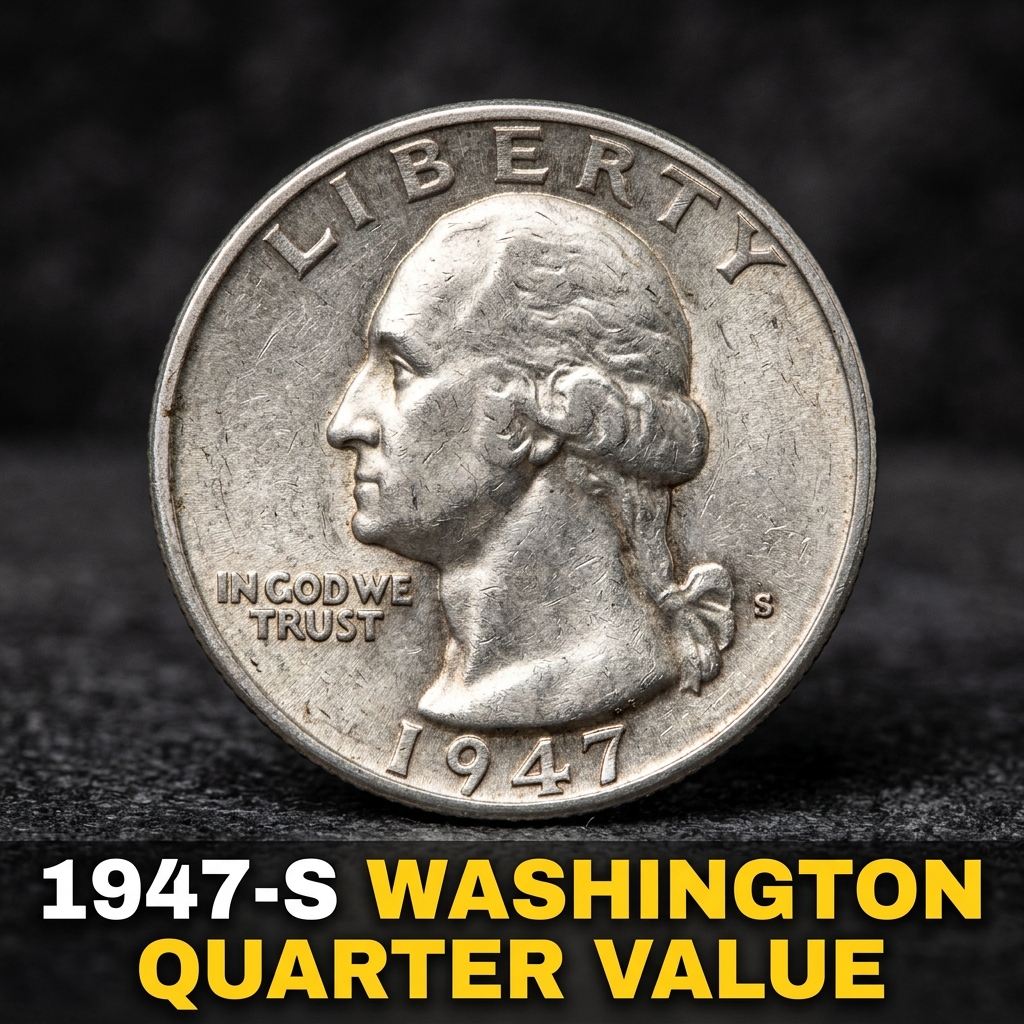
The 1981-D Washington Quarter was struck at the Denver Mint, as indicated by the small “D” mintmark located on the obverse (front) of the coin, just to the right of Washington’s portrait. In 1981, the Denver Mint produced a massive number of these quarters — over 518 million of them — which means they are not rare in circulated condition.
However, rarity isn’t the only thing that determines value. Condition, luster, and strike quality all play a huge role. Most 1981-D quarters you’ll find in everyday change are worn down from years of use and worth just face value.
That said, if you happen to have one that’s been sitting in a roll, a jar, or a collection untouched since the early 1980s, it could be in mint state condition — and that’s where things get interesting. Using a free coin identifier app can help you quickly assess your coin’s grade and get a ballpark value before you decide what to do with it.
1981-D Washington Quarter Value by Condition
Coin value is almost entirely dependent on grade. The Sheldon scale runs from 1 (Poor) to 70 (Perfect Mint State), and even small differences in grade can mean big differences in price. Here’s a general breakdown of what the 1981-D Washington Quarter is worth across different conditions:
| Grade / Condition | Description | Estimated Value |
|---|---|---|
| Good (G-4) | Heavy wear, design visible | Face value ($0.25) |
| Fine (F-12) | Moderate wear, details clear | $0.25 – $0.50 |
| Extremely Fine (EF-40) | Light wear on high points | $0.50 – $1.50 |
| About Uncirculated (AU-58) | Slight friction, near full luster | $1 – $3 |
| Mint State 63 (MS-63) | Uncirculated, some contact marks | $3 – $8 |
| Mint State 65 (MS-65) | Gem uncirculated, strong luster | $8 – $20+ |
| Mint State 67 (MS-67) | Superb gem, near flawless | $50 – $200+ |
For the most up-to-date auction results and certified coin pricing, you can browse detailed 1981 Washington Quarter price data by grade on CoinHix — a great resource for tracking real market values.
How to Tell If Your 1981-D Quarter Is Worth More
The first thing you want to do is look at the coin under good lighting — natural sunlight or a bright lamp works well. Tilt it back and forth and look for original mint luster, that cartwheel-like shine that flows across the surface of an uncirculated coin.
If the coin looks dull, flat, or has visible scratches and wear on Washington’s cheek, hair, and the eagle’s breast feathers on the reverse, it’s likely circulated and worth face value.
On the other hand, if the surfaces are bright and shiny with no signs of wear, you might have an MS-63 or better on your hands. Coins graded MS-65 and above by PCGS or NGC — the two major third-party grading services — can command real premiums.
CoinHix is a helpful tool for checking real-time sold prices so you can see what collectors are actually paying for similar coins right now.
Errors and Varieties to Watch For
While the 1981-D Washington Quarter doesn’t have widely famous major varieties, error coins are always worth keeping an eye out for. Errors like double dies, off-center strikes, broadstrikes, or die caps can dramatically increase a coin’s value.
A doubled die error, for instance, shows noticeable doubling in the lettering or design when viewed under magnification. Even a modest 1981-D quarter with a clear doubling error could be worth $50 to several hundred dollars depending on severity.
Always check both sides of the coin carefully with a 5x or 10x loupe. If something looks off — letters that seem thicker than usual, overlapping images, or design elements that appear in the wrong place — you might have an error coin worth investigating further.
For a full breakdown of what your 1981 quarter is worth based on mint mark, grade, and variety, that resource covers all the key value factors in one place.
Should You Get Your 1981-D Quarter Graded?
Professional grading makes sense if your coin appears to be in MS-65 or higher condition. Submitting to PCGS or NGC costs money (usually $20–$40+ per coin depending on service level), so it’s only worth doing if the potential payoff justifies the cost.
For a coin in MS-67 that could sell for $100–$200+, grading is absolutely worth it. For a coin that’s just MS-63, the math usually doesn’t work out.
If you’re unsure what grade your coin might be, CoinHix and other online coin tools can help you compare your coin to graded examples to make a smarter decision before spending money on third-party grading.
Frequently Asked Questions
Q: How much is a 1981-D Washington Quarter worth in circulated condition?
A: In typical circulated condition with visible wear, a 1981-D Washington Quarter is worth face value — 25 cents. Because over 518 million were minted, worn examples are extremely common and not valuable to collectors.
Q: What is the most valuable 1981-D Washington Quarter ever sold?
A: High-grade examples certified MS-67 or MS-68 by PCGS or NGC have sold for anywhere from $100 to several hundred dollars at auction. The cleaner the surfaces and the stronger the luster, the higher the price collectors are willing to pay.
Q: How can I find out the exact value of my 1981-D quarter?
A: Start by checking the coin’s condition and looking for any errors or varieties. Then compare it against recent auction records on sites like CoinHix or use a coin value reference guide. If it appears to be in gem uncirculated condition, consider sending it to PCGS or NGC for professional grading to maximize its potential resale value.