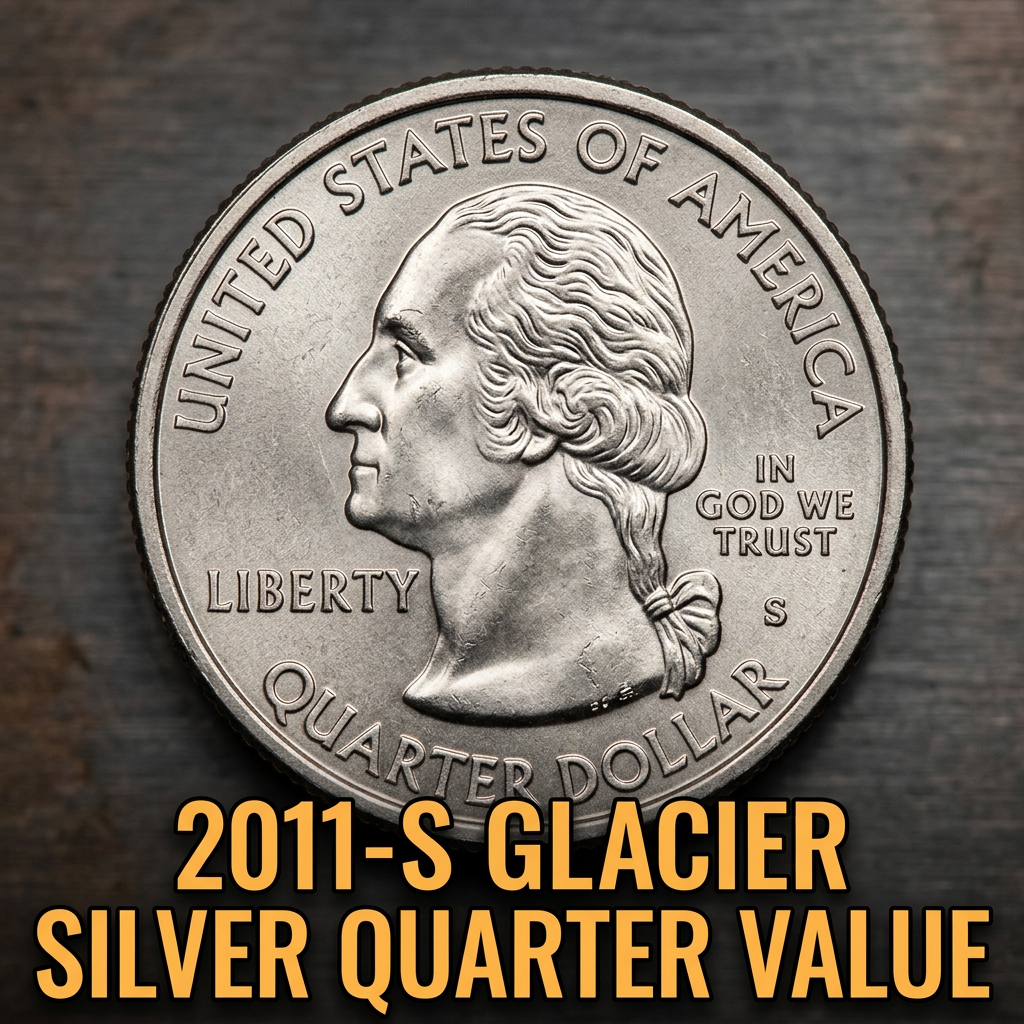
The 2011-S Glacier National Park Silver Quarter is worth anywhere from $6 to $8 in typical circulated condition, but pristine examples graded MS-70 or PR-70 by professional services can fetch $30 to $100 or more on the open market. If you’ve come across one of these beautiful coins in a collection or old coin roll, you’re in the right place to find out exactly what it’s worth.
What Is the 2011-S Glacier Silver Quarter?
The 2011-S Glacier National Park Quarter is part of the America the Beautiful Quarters Program, a U.S. Mint series launched in 2010 to honor national parks and historic sites across all 50 states, territories, and the District of Columbia. The “S” mint mark means it was struck at the San Francisco Mint, which produced both proof and silver versions of this coin.
The silver version contains 90% silver and 10% copper, giving it real intrinsic metal value beyond just its face value of 25 cents. That’s already a big deal for an everyday quarter.
Glacier National Park, located in Montana, is depicted on the reverse of the coin with a stunning design featuring a mountain goat standing on rocky terrain with glaciers in the background. It’s one of the more visually striking designs in the entire America the Beautiful series.
If you’re not sure whether your coin is the silver version or the clad version, using a free coin identifier app is a quick and easy way to figure that out from home without any guesswork.
2011-S Glacier Silver Quarter Value by Grade
The value of your 2011-S Glacier Silver Quarter depends heavily on its condition. Coin grading runs from Poor (P-1) all the way up to Perfect Mint State (MS-70) or Perfect Proof (PR-70). Most silver proof quarters from San Francisco come in proof format, meaning they were specially struck for collectors and display mirror-like fields with frosted designs.
Here’s a general breakdown of what these coins are selling for:
| Grade / Condition | Type | Estimated Value |
|---|---|---|
| Raw / Ungraded | Silver Proof | $6 – $10 |
| PR-65 | Silver Proof | $10 – $15 |
| PR-69 | Silver Proof | $15 – $25 |
| PR-70 DCAM | Silver Proof | $50 – $100+ |
| MS-65 | Silver Bullion Strike | $8 – $14 |
| MS-70 | Silver Bullion Strike | $30 – $75 |
Values fluctuate based on silver spot prices and collector demand, so it always helps to check current 2011 quarter value data before buying or selling.
How Many Were Minted and Does It Matter?
Mintage numbers matter a lot in coin collecting. The lower the mintage, the rarer the coin, and usually the higher the value. The 2011-S Silver Proof Glacier quarter had a mintage of approximately 722,076 coins — fairly typical for the San Francisco silver proof sets of that era.
That’s not an extremely low number, which means these coins aren’t rare in absolute terms. However, when you narrow it down to perfect PR-70 or MS-70 examples, the number of surviving coins in top grade drops dramatically, and that’s where the real value kicks in.
For comparison, you can explore detailed price data on 2011 America the Beautiful quarter grades and recent auction results to see how Glacier compares to other coins in the same series like Gettysburg.
How to Tell If Your Quarter Is Silver
One of the most common questions people have is: “How do I know if my 2011 quarter is actually silver?” Here’s a simple way to check.
Look at the edge of the coin. A regular clad quarter will show a copper stripe along the edge. A silver quarter will show a solid silver-gray edge with no copper stripe visible at all.
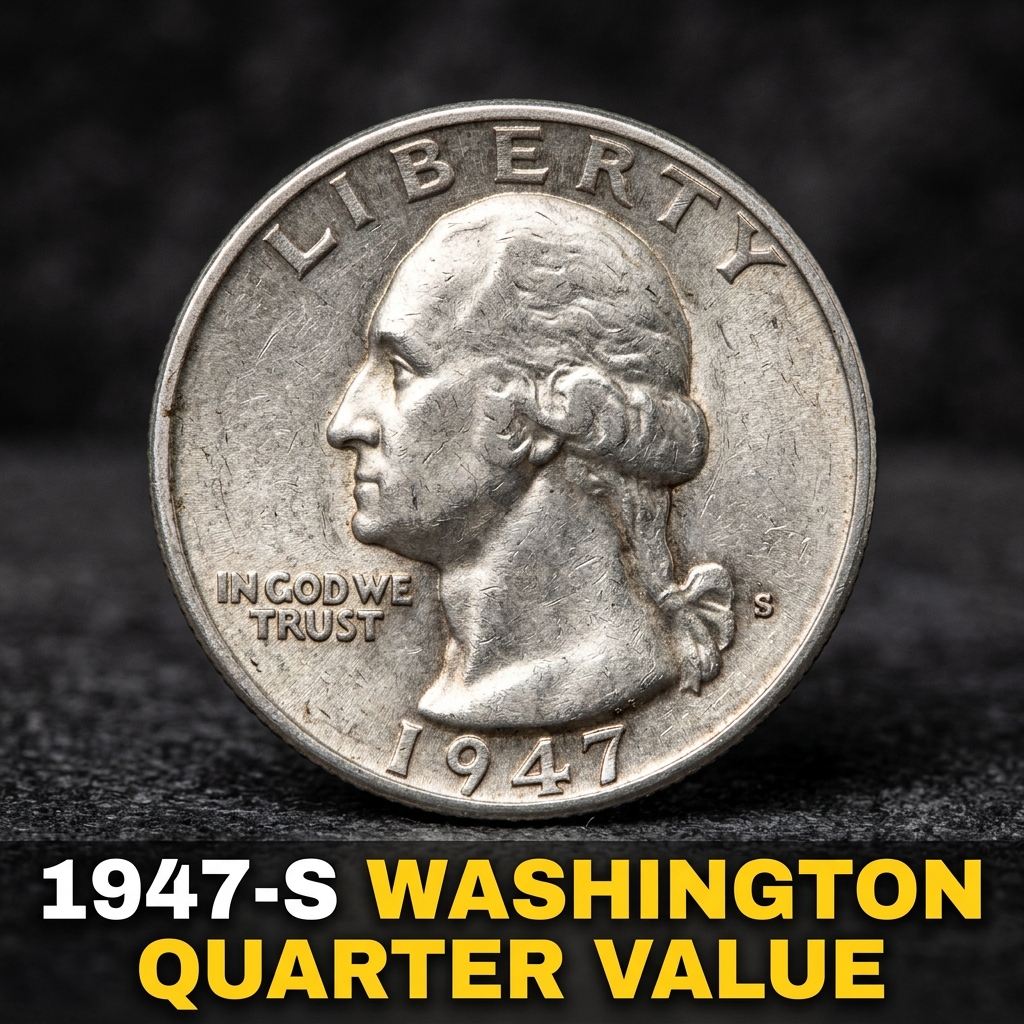
Also check the mint mark. The silver versions almost always carry the “S” mint mark, found on the obverse (heads side) just behind George Washington’s neck. If your coin has an “S” and a clean silver edge, there’s a very strong chance you have the silver proof or silver bullion version.
You can also weigh the coin. A 90% silver quarter weighs 6.25 grams, while a regular clad quarter weighs 5.67 grams. Even a simple kitchen scale can help you spot the difference.
For the fastest and easiest check, CoinHix is a great tool that lets you look up your coin’s specifications and current market prices in seconds.
Is the 2011-S Glacier Silver Quarter Worth Keeping?
For most people, a raw ungraded example in typical proof condition is worth somewhere between $6 and $12, which is still well above face value simply because of its silver content. Silver alone makes this coin worth holding onto.
If you happen to have one in truly pristine condition — no spots, no hairlines, no toning — it might be worth getting it professionally graded by PCGS or NGC. A PR-70 DCAM label can significantly boost the value and make the coin much easier to sell to serious collectors.
Even if you’re not a coin collector yourself, don’t toss this one in a jar. Silver coins always have melt value, and this quarter is no exception.
CoinHix makes it easy to track silver spot prices and see exactly what your coin is worth in real time, right from your phone. It’s a handy resource whether you’re a seasoned collector or just found a coin in grandma’s drawer.
FAQ
Q: Is the 2011-S Glacier quarter made of real silver?
A: Yes. The 2011-S version produced by the San Francisco Mint for proof sets is made of 90% silver and 10% copper. It contains approximately 0.1808 troy ounces of pure silver, giving it genuine metal value beyond its 25-cent face value.
Q: What makes the PR-70 version so much more valuable than a regular proof?
A: A PR-70 is a perfect coin with absolutely no flaws visible under 5x magnification. These coins are extremely rare because even minor handling marks or spotting will drop a grade. Collectors pay a premium for perfection, and certified PR-70 examples can sell for many times the value of a typical ungraded proof.
Q: Where can I sell my 2011-S Glacier Silver Quarter?
A: You can sell on platforms like eBay, Heritage Auctions, or through local coin dealers. For best results, know your coin’s grade before listing. Using CoinHix to research recent sold prices will help you set a fair asking price and avoid underselling a coin that might be worth more than you think.