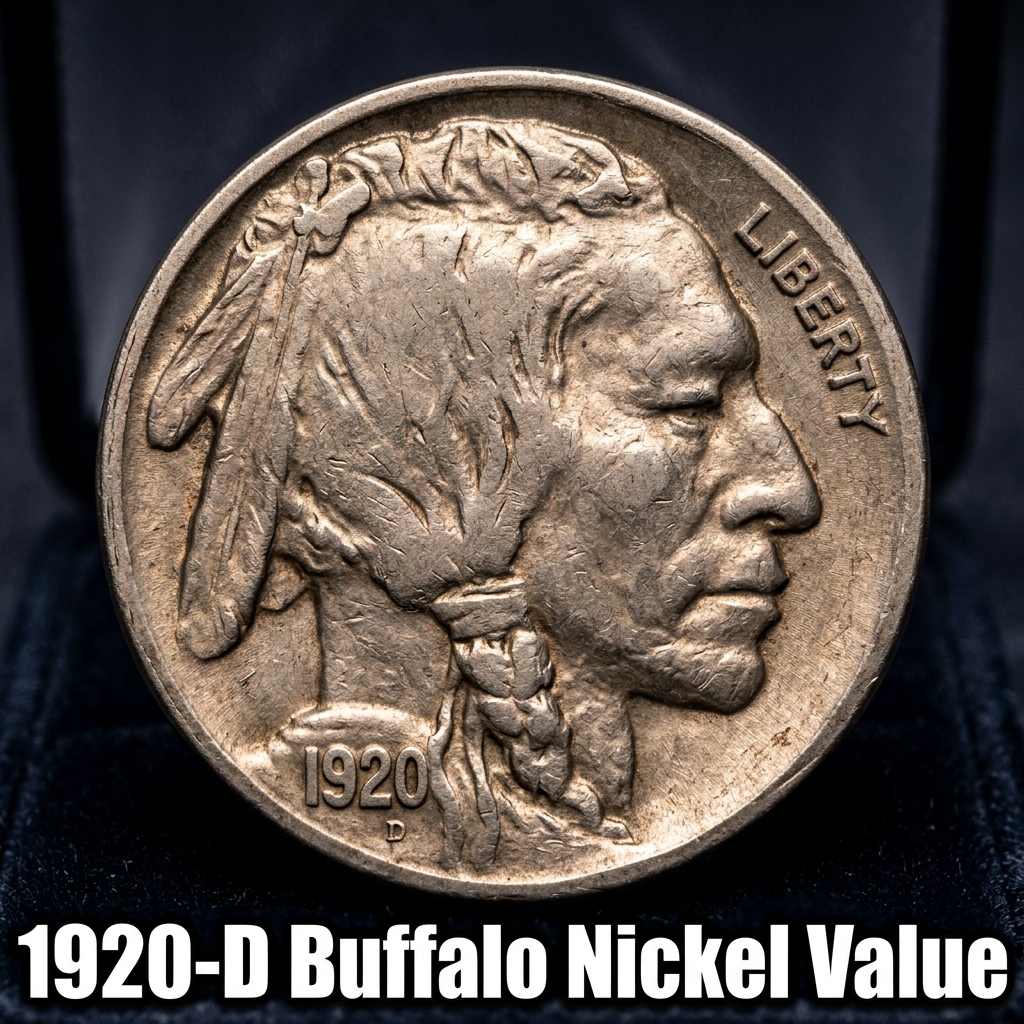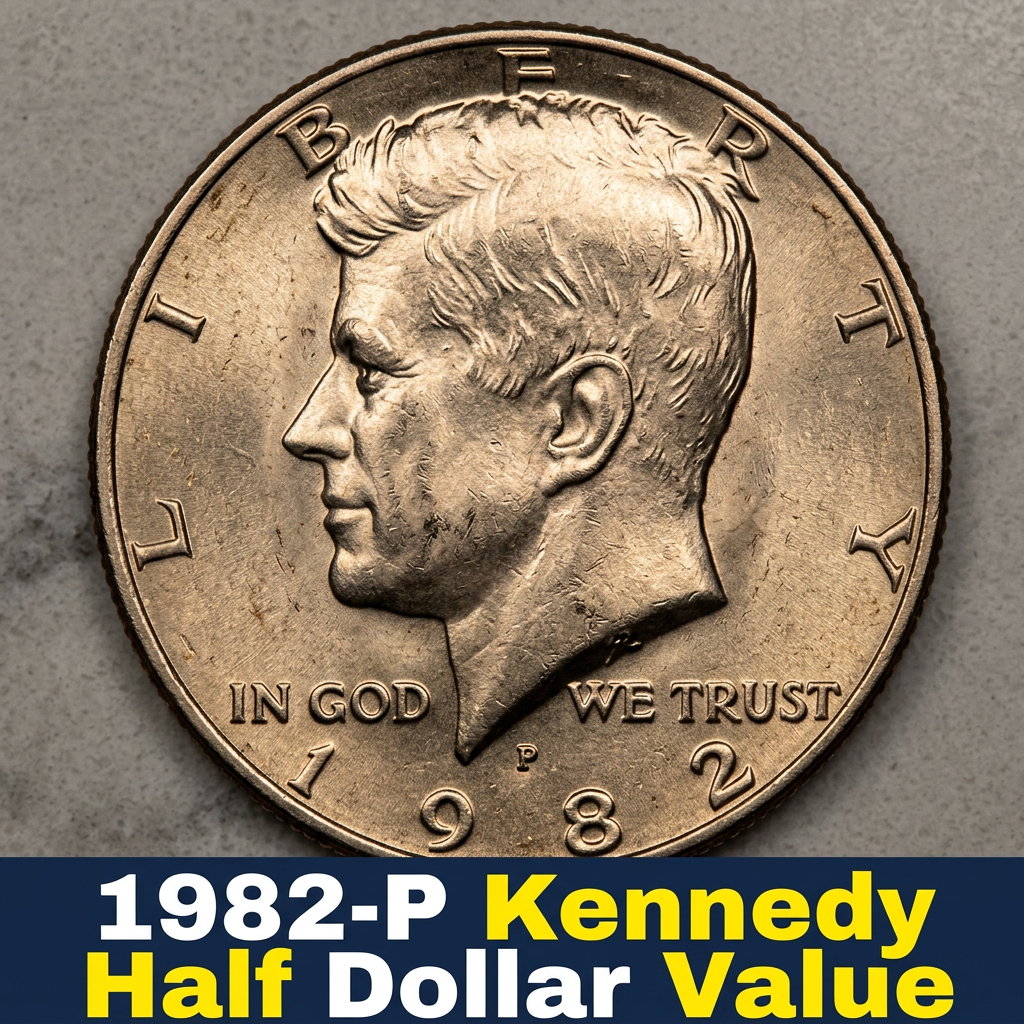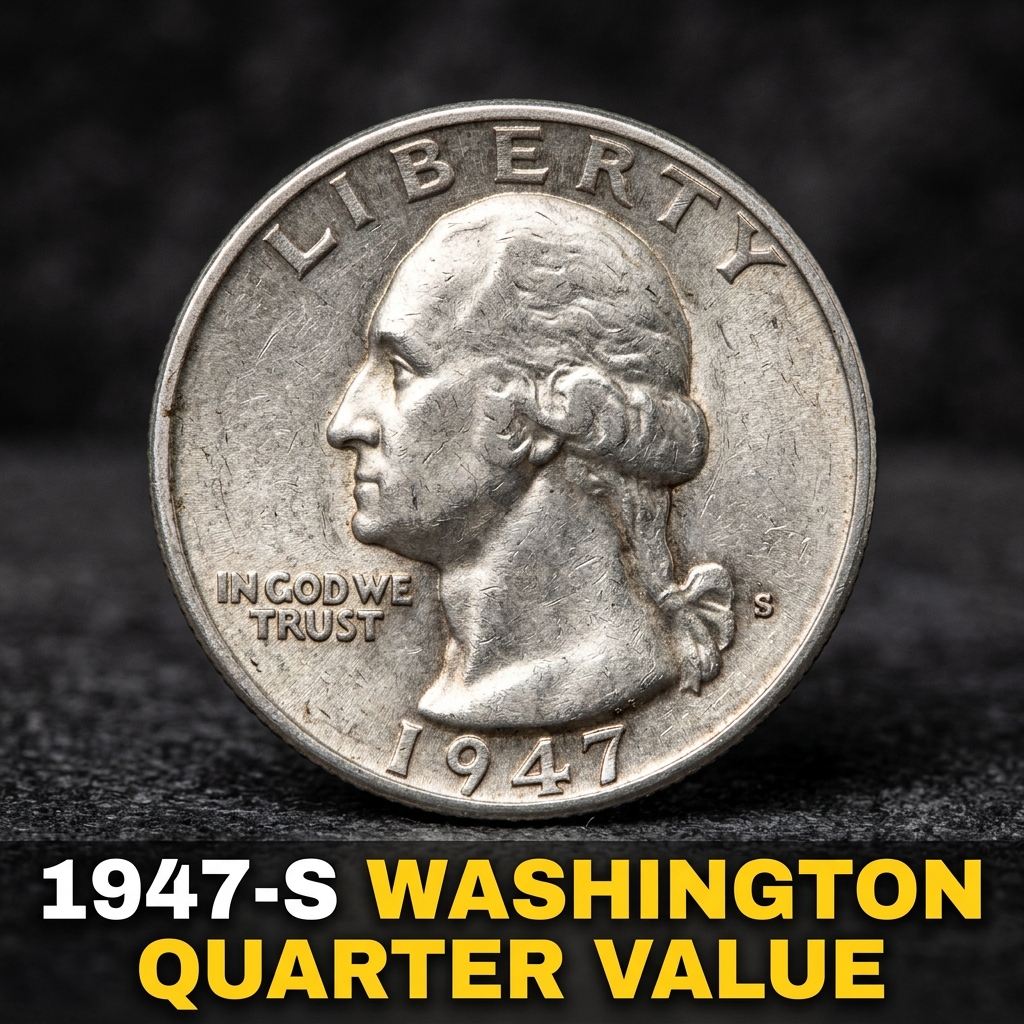
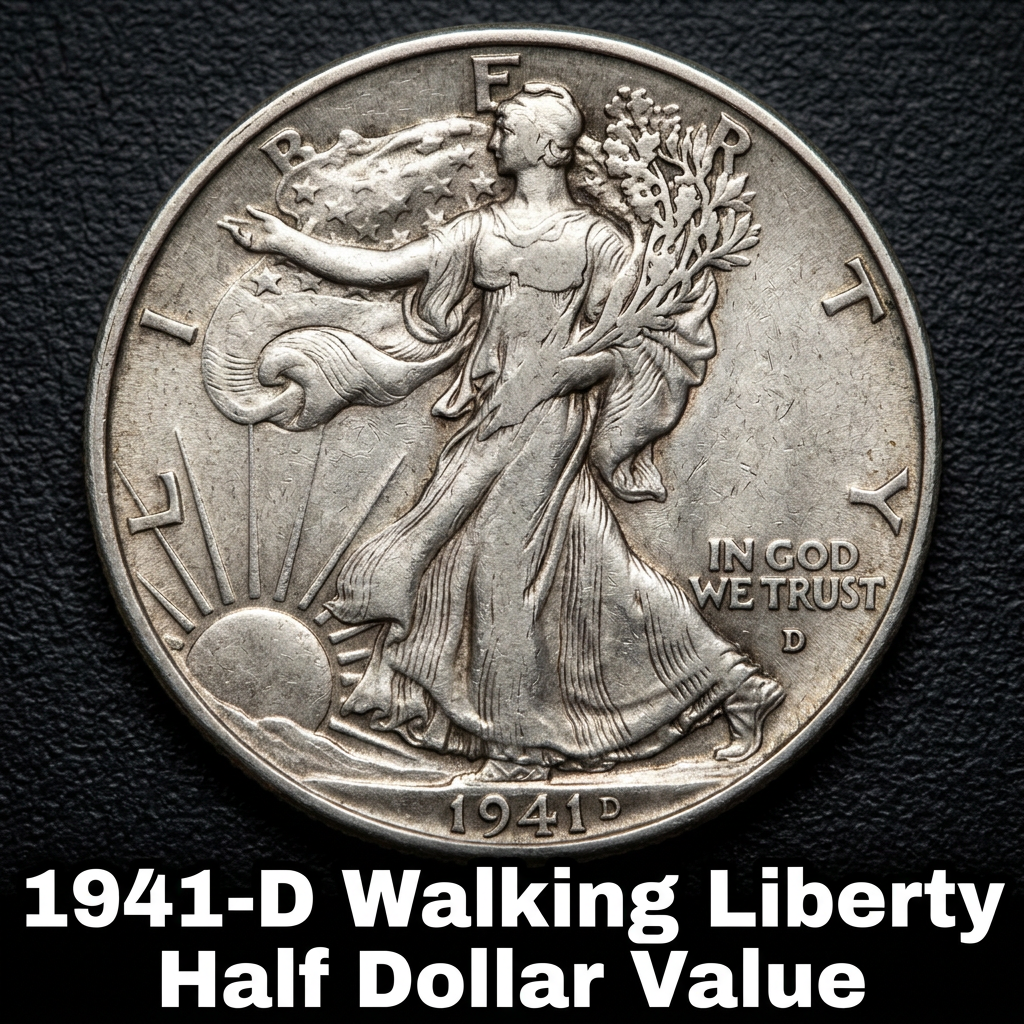
The 1941-D Walking Liberty Half Dollar is worth anywhere from $14 in heavily worn condition to over $1,500 or more in top mint state grades. If you’ve pulled one of these beauties out of an old drawer, a coin collection, or an estate sale, you might be sitting on more than just a pocket change relic — this coin has real collector appeal and solid silver value backing it up.
What Makes the 1941-D Walking Liberty Half Dollar Special
The Walking Liberty Half Dollar is widely considered one of the most beautiful coins ever struck by the U.S. Mint. Designed by Adolph A. Weinman, the obverse features Lady Liberty draped in an American flag, striding confidently toward the rising sun — a design so iconic that it was revived on the American Silver Eagle bullion coin.
The “D” mint mark on this coin means it was produced at the Denver Mint. In 1941, Denver struck 11,248,400 of these half dollars, making it a relatively common date compared to some scarcer issues in the series. But don’t let those production numbers fool you — well-preserved examples are genuinely hard to find and attract serious collector interest.
Because each coin contains 0.3617 troy ounces of 90% silver, even a beat-up 1941-D has melt value on its side. With silver prices hovering around $28–$30 per ounce as of 2024, the base silver value alone sits at roughly $10–$11, giving every coin a meaningful floor.
If you want to quickly identify and value coins like this one, tools like a free coin identifier app can help you get a ballpark estimate before you take it to a dealer.
1941-D Walking Liberty Half Dollar Value by Grade
Coin value depends heavily on condition. Numismatists (coin graders) use a 70-point Sheldon scale, where coins range from Poor (P-1) to Perfect Mint State (MS-70). Here’s a general breakdown of what the 1941-D typically fetches at different grade levels:
| Grade | Description | Estimated Value |
|---|---|---|
| Good (G-4) | Heavy wear, flat details | $14 – $16 |
| Very Fine (VF-20) | Moderate wear, design clear | $18 – $25 |
| Extremely Fine (EF-40) | Light wear on high points | $28 – $40 |
| About Uncirculated (AU-55) | Slight wear, good luster | $55 – $90 |
| MS-63 | Mint state, few blemishes | $120 – $200 |
| MS-65 | Gem, sharp strike, great luster | $350 – $700 |
| MS-66+ | Superb gem, auction quality | $1,000 – $1,500+ |
For the most current auction results and market data, you can check out detailed 1941-D Walking Liberty Half Dollar price data across mint state grades to see how recent sales have been trending.
How to Tell What Grade Your Coin Is
Grading coins at home takes some practice, but you can make a solid initial assessment with just a loupe (magnifying glass) and good lighting. Start by looking at Lady Liberty’s hand, the strands of her gown, and the eagle’s breast feathers on the reverse — these are the areas that wear down first.
If the coin shows sharp, fully defined details with original mint luster still visible, you’re likely looking at an AU or mint state piece. If the high points are flat and the coin looks dull gray all over, it’s probably in the Good to Very Fine range.
Keep in mind that surface problems like cleaning, scratches, or rim damage can significantly reduce value — sometimes by 50% or more. Collectors strongly prefer original, unaltered coins. A coin that “looks shiny” after someone polished it may actually be worth far less than a naturally toned example with intact surfaces.
Using CoinHix to track recent sales is a great way to calibrate your eye — you can see photos of graded examples and compare them to what you’re holding.
Where to Sell Your 1941-D Walking Liberty Half Dollar
Once you know what you have, the next step is figuring out where to sell. Options range from local coin dealers and coin shows to online platforms like eBay, Heritage Auctions, and Stack’s Bowers. Each has trade-offs in terms of convenience, fees, and the audience you’ll reach.
For circulated coins in the $14–$40 range, a local dealer is often the easiest option, though you’ll typically get 60–80% of retail value. For higher-grade pieces — especially anything grading MS-63 or above — auction houses and online markets tend to yield better results because they attract competitive bidding from serious collectors.
Before you walk into any shop, do your homework. Check resources like comprehensive 1941 Half Dollar value information broken down by mint mark and grade so you walk in informed and confident.
CoinHix is also worth bookmarking — the app gives you real-time price tracking and recent auction comparables right from your phone, which is handy when you’re standing in a dealer’s shop trying to decide whether to sell.
—
FAQ
Q: Is the 1941-D Walking Liberty Half Dollar made of silver?
A: Yes. Like all Walking Liberty Half Dollars minted from 1916 to 1947, the 1941-D is composed of 90% silver and 10% copper, giving it a silver weight of 0.3617 troy ounces. Even heavily circulated examples have meaningful melt value.
Q: What does the “D” mint mark mean and where is it located?
A: The “D” stands for the Denver Mint. On 1941-D coins, the mint mark appears on the obverse (front) of the coin, on the lower left near the hem of Liberty’s gown. Earlier dates in the series had the mint mark on the reverse, so the location can help you identify the year range at a glance.
Q: Is it worth getting my 1941-D Walking Liberty Half Dollar professionally graded?
A: It depends on condition. Professional grading through PCGS or NGC typically costs $30–$50 or more per coin. For circulated examples worth $15–$40, grading fees don’t make financial sense. However, if your coin looks uncirculated and sharp — especially if it could grade MS-64 or higher — professional certification can significantly increase its value and make it easier to sell. Use CoinHix or another price guide to estimate potential value before deciding whether grading is worth the investment.