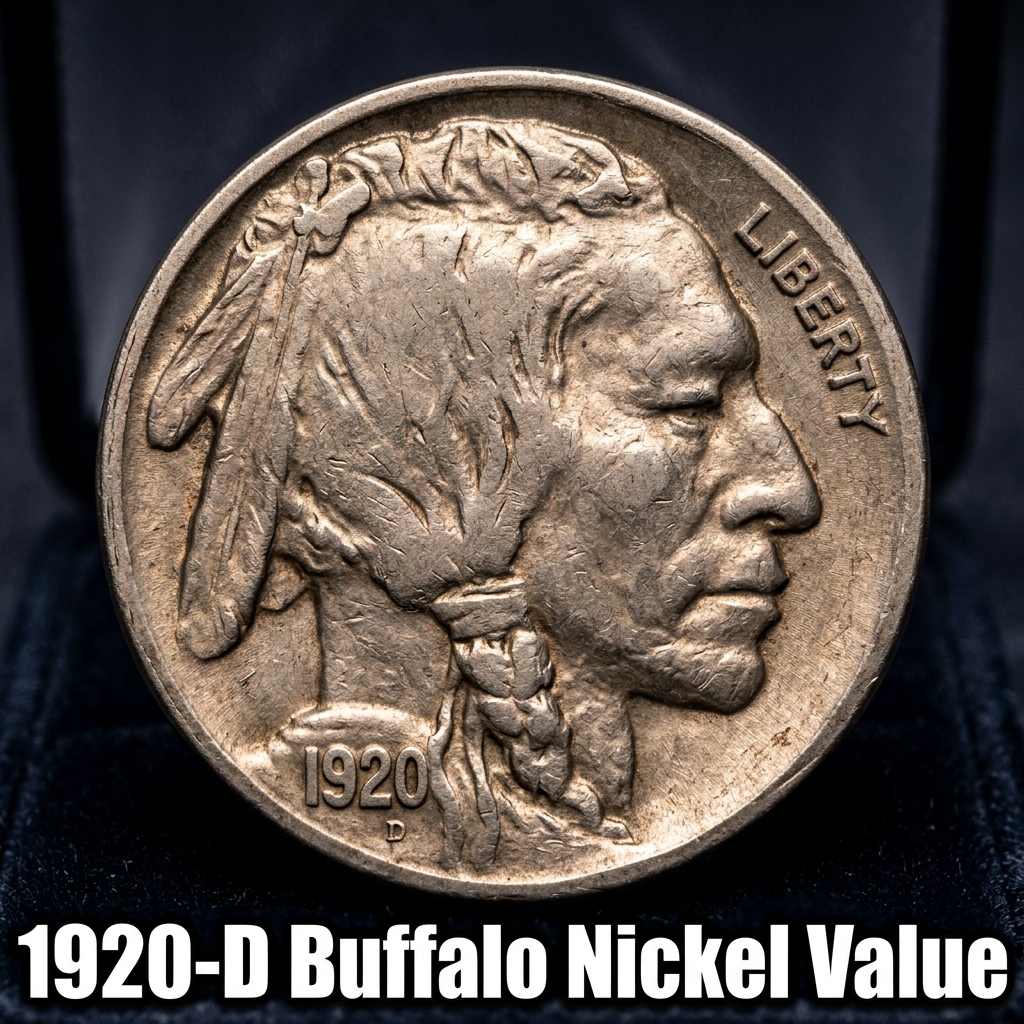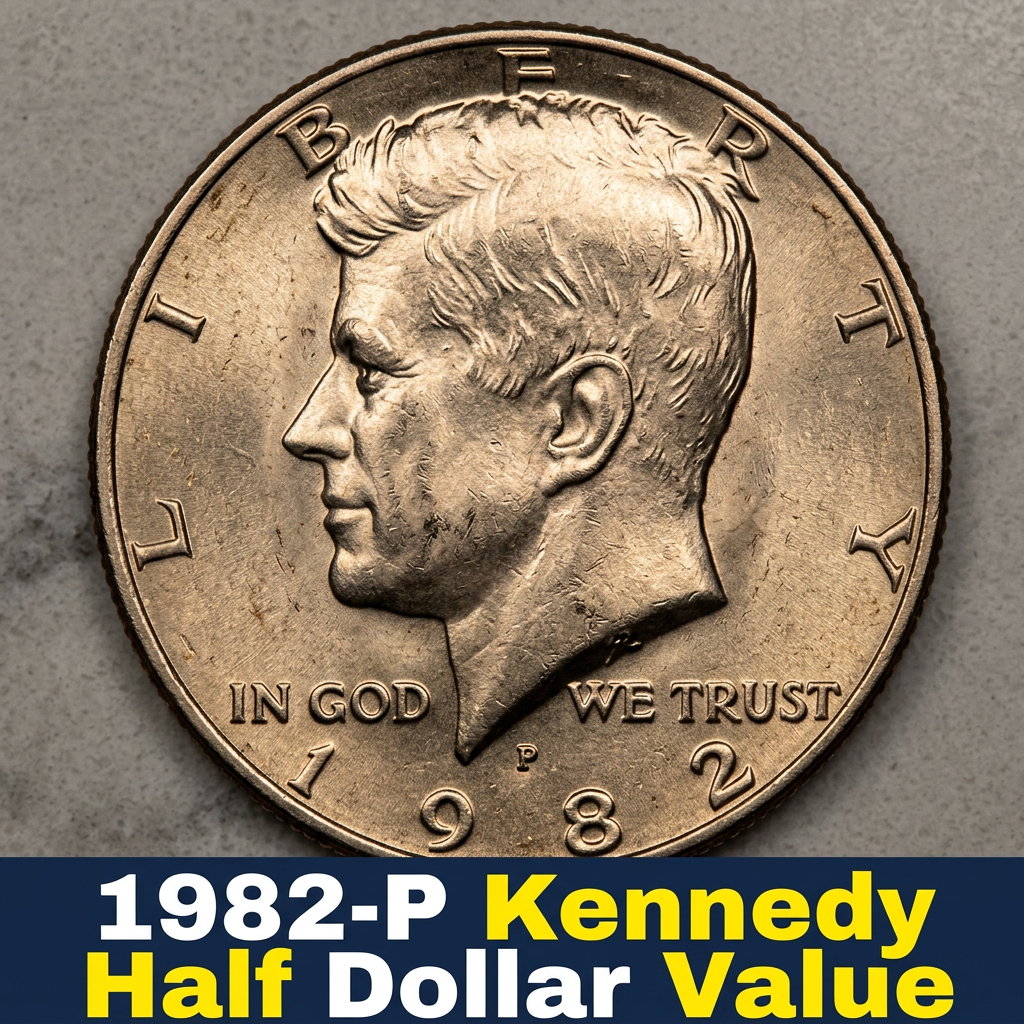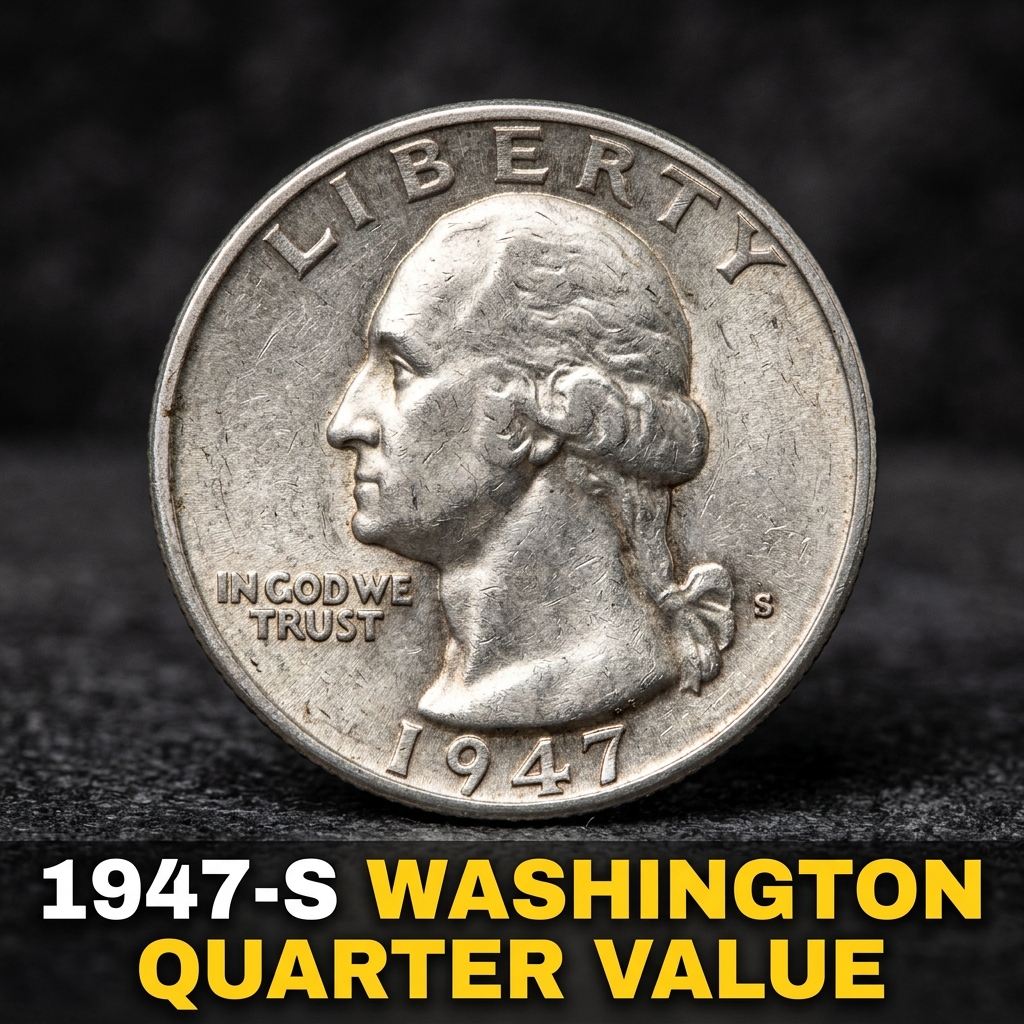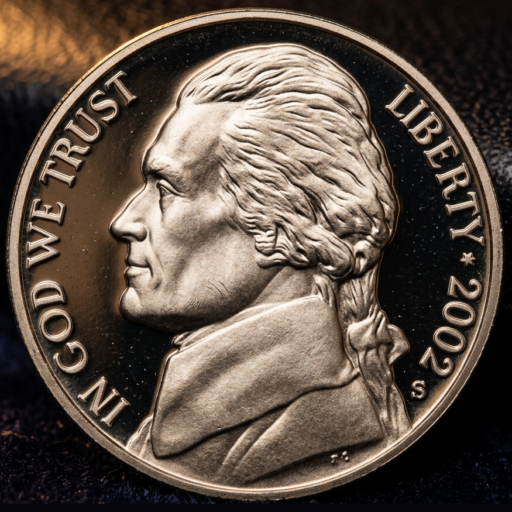
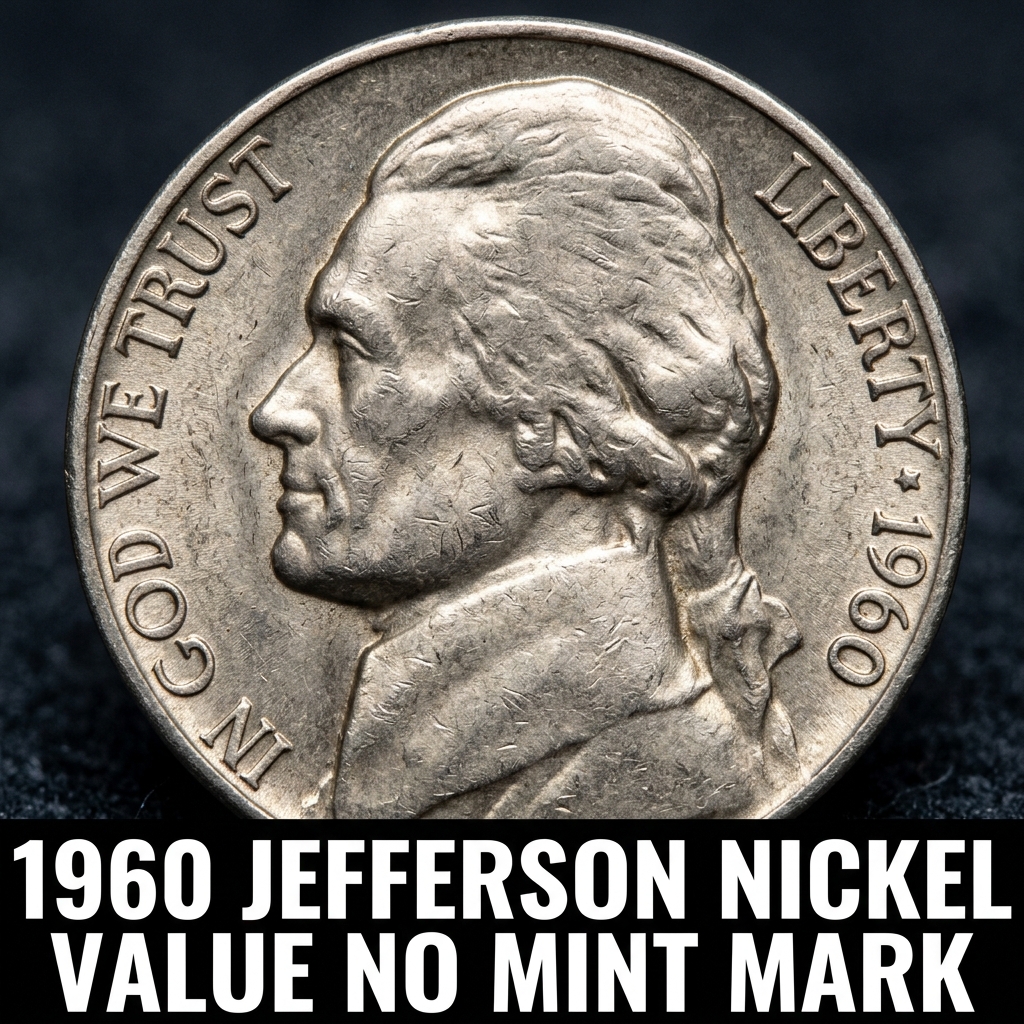
The 1960 Jefferson Nickel with no mint mark is worth anywhere from 5 cents in heavily worn condition to over $50 or more in pristine uncirculated grades. Most coins you’ll find in your pocket change won’t make you rich overnight, but a few well-preserved examples can genuinely surprise you.
What the No Mint Mark Means on a 1960 Nickel
If you’re holding a 1960 Jefferson Nickel and don’t see any small letter stamped on it, that’s actually a good clue about where it was made. Coins with no mint mark from this era were struck at the Philadelphia Mint, which was the main production facility at the time.
Philadelphia didn’t use a mint mark on nickels until 1980, so the absence of a letter is completely normal and expected on a 1960 coin. It doesn’t mean the coin is rare or special just because of that detail — but it’s still a coin worth understanding.
The Denver Mint, by contrast, used a “D” mint mark during this period. So if your coin has no letter at all, you’re definitely looking at a Philadelphia issue. That’s actually the more common of the two 1960 varieties.
If you’re not sure what you’re looking at, a free coin identifier app can help you quickly confirm the mint mark location, date, and overall coin details right from your phone. It’s one of the easiest ways to get started without needing expert knowledge.
How Much Is the 1960 Jefferson Nickel Worth Today
The value of a 1960 Jefferson Nickel with no mint mark really depends on one thing more than anything else: condition. Coin collectors call this “grade,” and it can swing the value from pocket change up to real money.
A heavily circulated coin — one that’s been passed through cash registers and wallets for decades — is generally worth only face value or just a tiny premium. But a coin that was saved early and kept in nice shape is a different story.
Here’s a general value breakdown to give you a clearer picture:
| Grade / Condition | Estimated Value |
|---|---|
| Good (G-4) — Heavy Wear | $0.05 – $0.10 |
| Fine (F-12) — Moderate Wear | $0.10 – $0.25 |
| Extremely Fine (EF-40) | $0.50 – $1.00 |
| Uncirculated (MS-63) | $3 – $8 |
| Gem Uncirculated (MS-65) | $15 – $35 |
| Superior Grade (MS-67+) | $50 – $150+ |
For the most up-to-date pricing data on certified examples, you can check the 1960 Jefferson Nickel MS grade price records to see recent auction results and population reports.
Key Features That Affect the 1960 Nickel Value
Beyond basic wear, coin collectors look at a few specific details that can push a 1960 Jefferson Nickel’s value higher. The most important is what’s called “Full Steps” — the steps on the reverse of the coin, below Monticello’s front porch.
If five or six of those steps are sharply defined with no breaks or blurring, the coin is designated FS (Full Steps) and becomes significantly more desirable. A 1960-P with Full Steps in MS-65 can be worth several times more than the same grade without that designation.
Luster and strike quality also matter. Coins struck early in the die’s life tend to be sharper and more brilliant. Clean, original surfaces with no cleaning or damage add real value. Even a tiny scratch from someone wiping the coin with a cloth can reduce what a collector will pay.
CoinHix is a great tool for looking up how these specific attributes affect real market prices. You can filter by grade, Full Steps status, and recent sales — it gives you a genuinely useful picture of what buyers are paying today.
Is a 1960 No Mint Mark Nickel Rare or Common
Honest answer: no, it’s not rare. The Philadelphia Mint struck over 55 million Jefferson Nickels in 1960, which makes this a common date in most grades. You’ll find them easily in coin rolls, old jars, and estate collections.
That said, “common” doesn’t mean worthless — it just means you need a really exceptional example to command serious money. High-grade, Full Steps specimens are genuinely hard to find and represent only a small percentage of the surviving population.
If you’ve pulled one of these from grandma’s coin jar and want to know exactly what you’ve got, check out the detailed 1960 nickel value guide with grade-by-grade pricing to see where your specific coin falls on the spectrum.
You can also use CoinHix to compare your coin against certified examples and get a realistic sense of current market demand. It’s free to browse and easy to use even if you’re brand new to coin collecting.
Tips for Handling and Storing Your 1960 Jefferson Nickel
If you think your coin might be in uncirculated condition, stop handling it right now. Seriously. Every fingerprint, every scratch, and every cleaning attempt takes money off the table.
Always hold coins by the edge — never touch the faces. Store them in a coin flip, a 2×2 cardboard holder, or a proper coin album. Avoid plastic bags, tape, or rubber bands, all of which can chemically damage metal surfaces over time.
If you’re thinking about getting a potentially valuable coin professionally graded, services like PCGS or NGC will authenticate and grade it in a sealed slab. This adds credibility and makes it much easier to sell at top market value.
And if you’re just starting to explore old coins you’ve found, CoinHix makes it easy to identify, track, and research your coins in one place — whether you have five coins or five hundred.
FAQ
Q: Is a 1960 nickel with no mint mark worth anything?
A: Most circulated 1960 Jefferson Nickels with no mint mark are worth only face value to about 25 cents. However, uncirculated examples — especially those with Full Steps on the reverse — can be worth anywhere from $5 to over $100 depending on grade and eye appeal.
Q: How do I know if my 1960 nickel has Full Steps?
A: Flip the coin to the reverse side and look at the steps below the main entrance of Monticello. If you can count five or six clearly separated, unbroken steps, it may qualify as Full Steps. A magnifying glass helps, and you can confirm using a grading service or by comparing to images on CoinHix.
Q: Should I clean my 1960 Jefferson Nickel before selling it?
A: No — never clean a coin you think might have value. Cleaning removes original luster and surface metal, which dramatically lowers the grade and value in the eyes of collectors and grading services. A naturally toned, uncleaned coin is almost always worth more than a cleaned one.