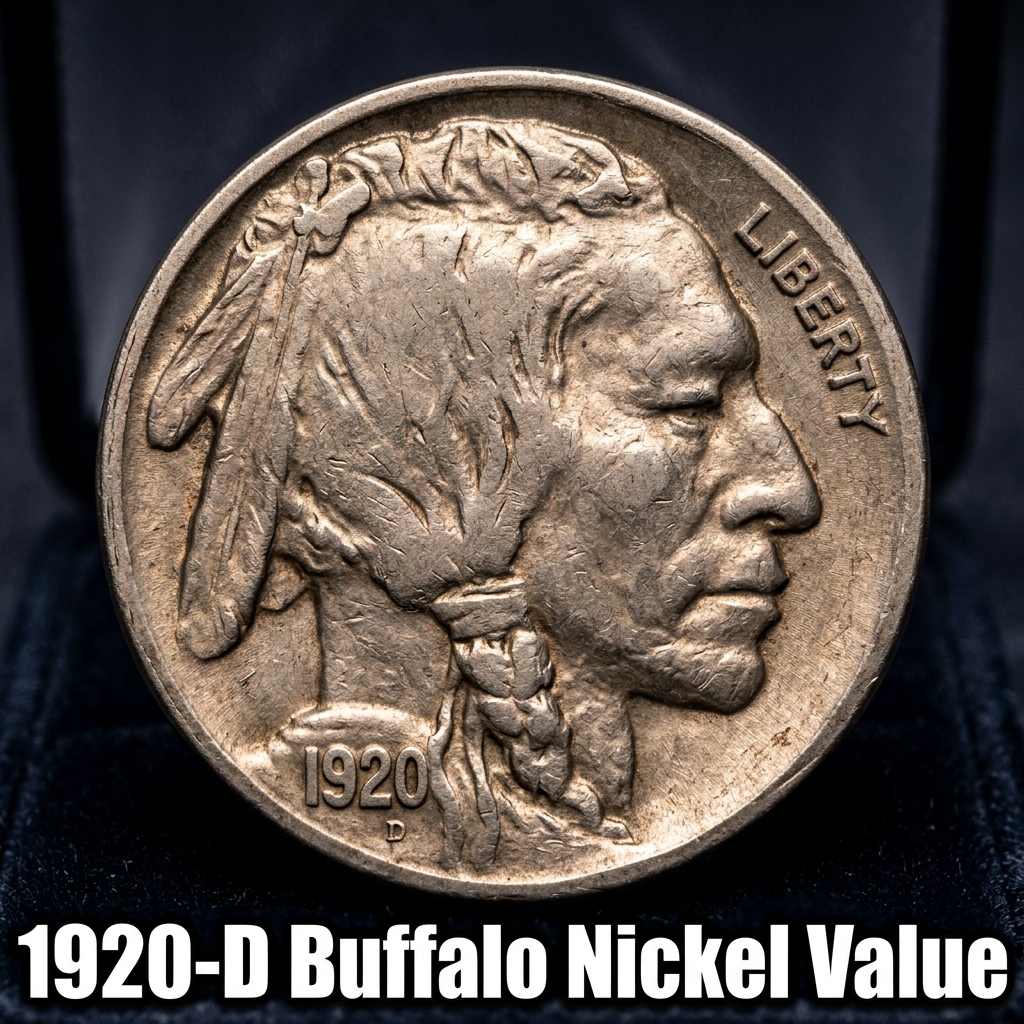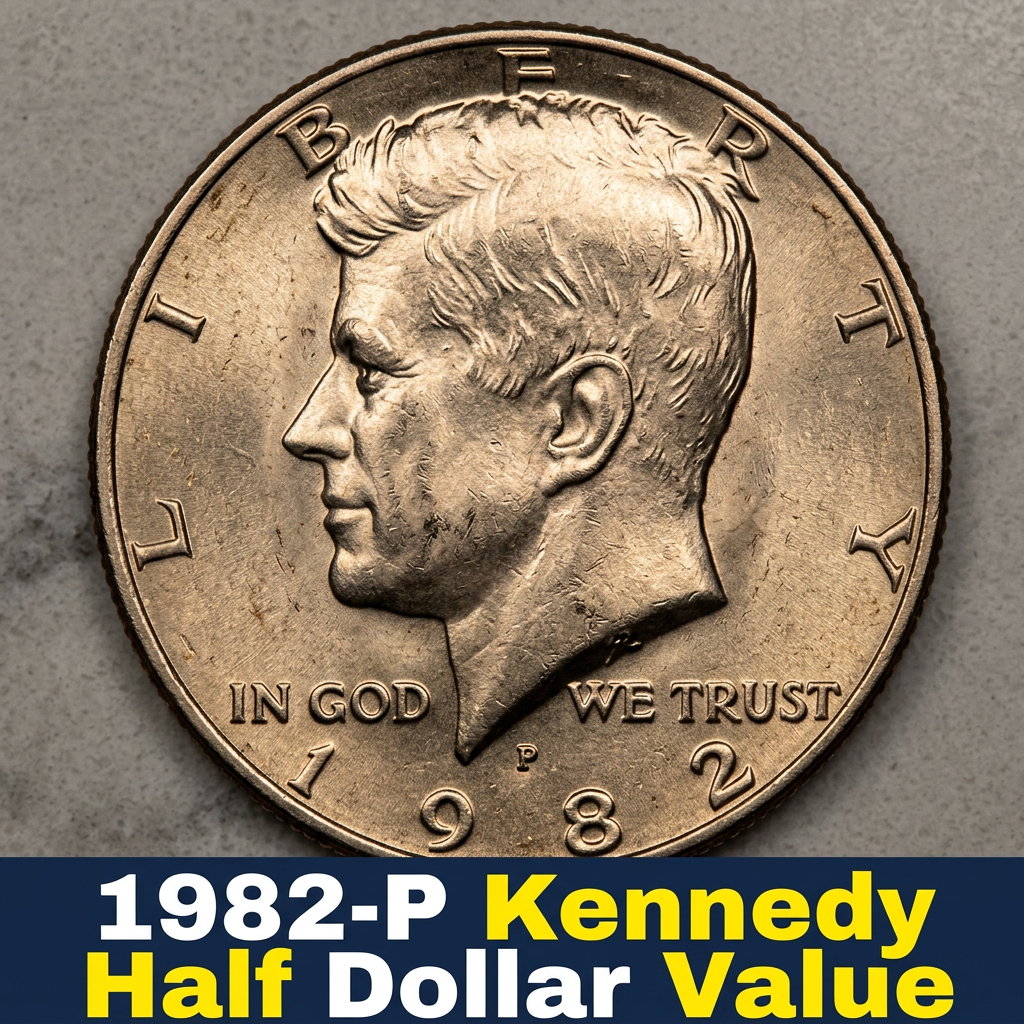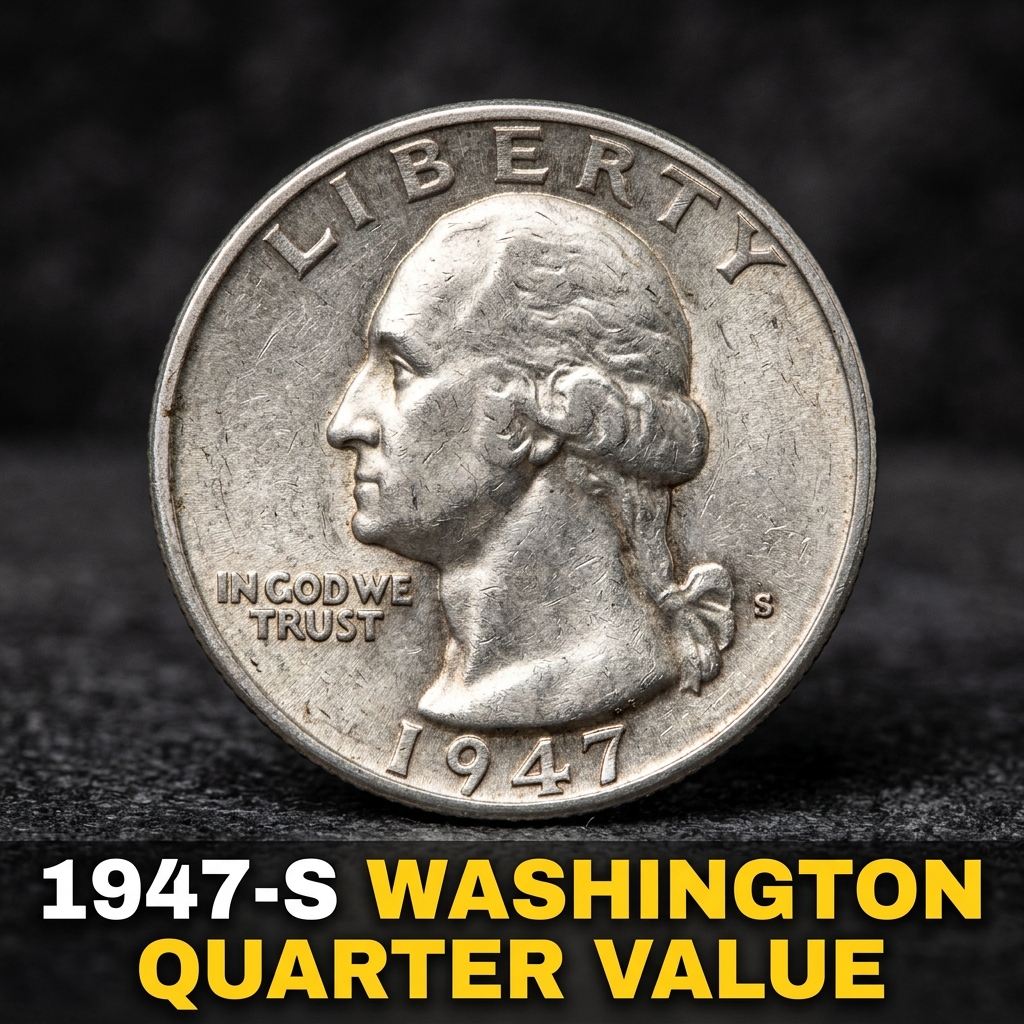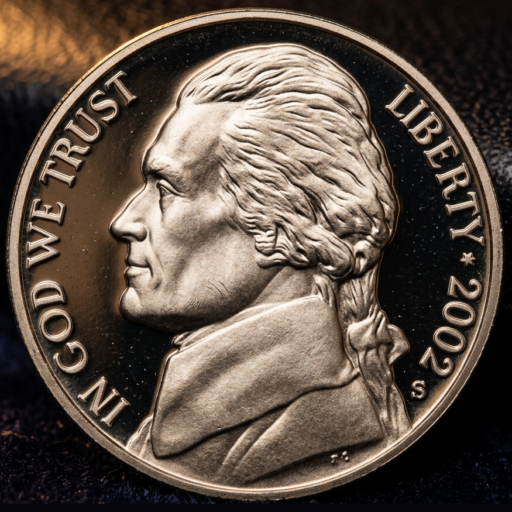
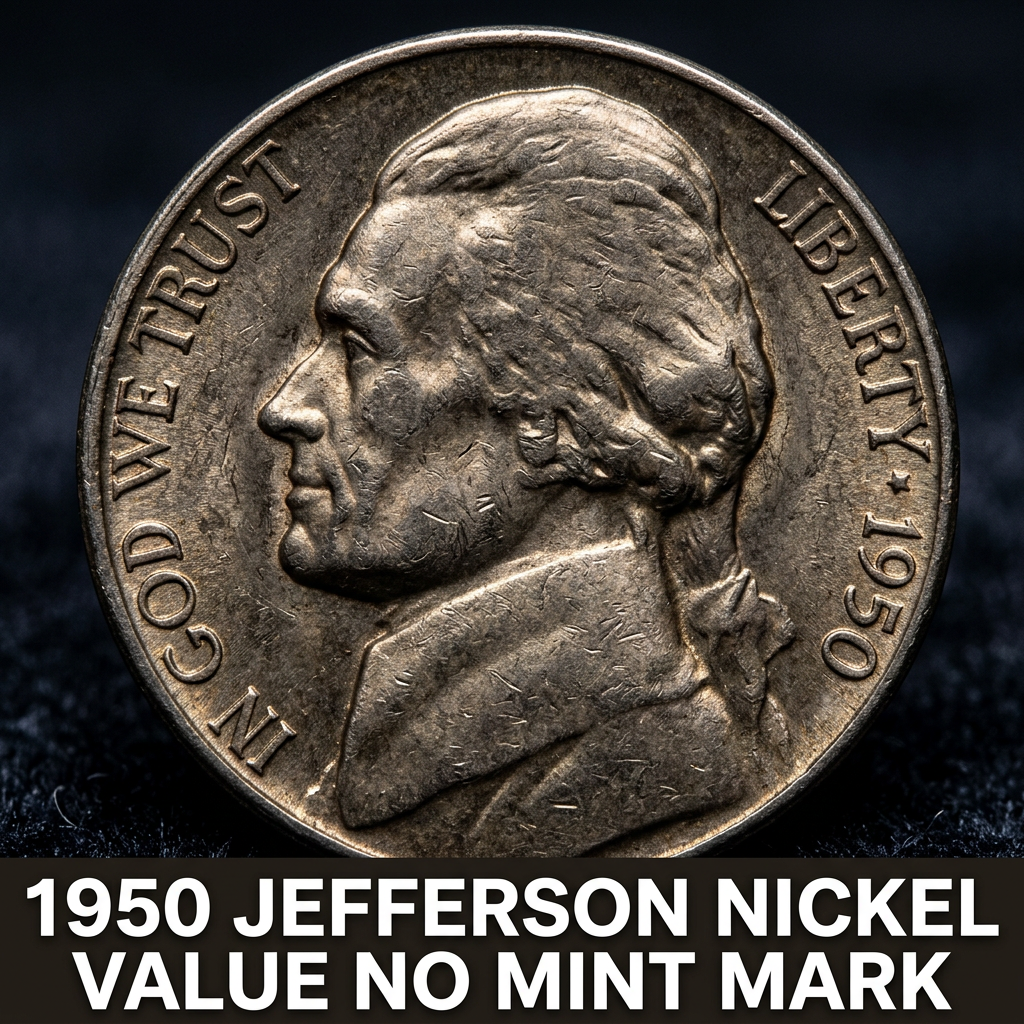
The 1950 Jefferson Nickel with no mint mark is worth anywhere from 25 cents in heavily worn condition to over $100 or more in top mint state grades — and a few special examples have sold for much higher. If you found one of these old nickels in a drawer, a jar, or grandma’s coin collection, you’re in the right place to find out exactly what you’ve got.
Most people don’t realize that a coin this common can still carry real value depending on its condition. That’s where knowing how to look closely at your coin really pays off. Using a free coin identifier app can help you quickly confirm what you’re holding and get a ballpark value before you dig deeper.
What Is the 1950 Jefferson Nickel No Mint Mark?
The 1950 Jefferson Nickel with no mint mark was struck at the Philadelphia Mint. Back then, Philadelphia didn’t put a mint mark on its coins, so a blank space where you’d expect to see a “P,” “D,” or “S” means your coin came from Philly.
The Philadelphia Mint produced 9,796,000 Jefferson Nickels in 1950. That might sound like a lot, but compared to other years, it’s actually a relatively low mintage — which is one of the reasons collectors pay attention to this date.
The coin features Felix Schlag’s portrait of Thomas Jefferson on the obverse and Monticello on the reverse, the same design that ran from 1938 through 2003. Despite the familiar look, the 1950 Philadelphia issue is considered a semi-key date in the Jefferson Nickel series.
1950 Jefferson Nickel Value by Condition
Condition is everything when it comes to coin values. A 1950 nickel that’s been rattling around in a change jar for decades is going to be worth far less than one that was carefully stored from the beginning.
Here’s a general value breakdown based on grade:
| Grade | Description | Estimated Value |
|---|---|---|
| Good (G-4) | Heavy wear, flat design | $0.25 – $0.50 |
| Fine (F-12) | Moderate wear, some detail visible | $1 – $3 |
| Extremely Fine (EF-40) | Light wear on high points | $5 – $10 |
| Mint State (MS-63) | Uncirculated, some marks | $25 – $50 |
| Mint State (MS-65) | Gem uncirculated, strong luster | $75 – $125+ |
| MS-66 and above | Superb gem, virtually flawless | $150 – $500+ |
For a more detailed look at 1950 Jefferson Nickel auction records and mint state price data, it’s worth checking what recent certified examples have actually sold for — auction results can tell you a lot about where the real market sits.
What Makes Some 1950 Nickels Worth More
Not every 1950 Philadelphia nickel is equal. A few factors can push the value significantly higher.
Full Steps (FS) designation is one of the biggest value drivers in Jefferson Nickels. If the steps on Monticello show five or six complete, unbroken horizontal lines with no weakness or wear, professional graders can award the Full Steps designation — and that can double or even triple the value at the same grade.
Strong eye appeal also matters. Original mint luster, no cleaning, no environmental damage, and sharp strike all add up. Coins that were cleaned or dipped to look shinier are actually worth less to serious collectors, not more.
If your coin looks bright and unnatural, it may have been cleaned at some point. A natural, slightly toned surface is usually a better sign. CoinHix can help you understand how professional graders evaluate these details before you decide whether to have your coin certified.
How to Check Your 1950 Nickel’s Value Today
The best way to figure out what your coin is actually worth is to compare it honestly against graded examples. Start by looking at the coin under good lighting with a 5x or 10x magnifier. Check for wear on Jefferson’s cheekbone and the steps of Monticello — those are the first areas to show wear.
You can also check out this detailed 1950 nickel value guide to see how condition affects pricing and what to look for when assessing your own coin.
If you think your coin might be in uncirculated or near-uncirculated condition, it could be worth getting it professionally graded by PCGS or NGC. The certification cost might be worth it if the coin has Full Steps potential.
For a fast first look, CoinHix is a great tool — it lets you scan your coin and quickly pull up value estimates and comparable sales data. It’s especially helpful when you’re sorting through a whole collection and want to know where to focus your attention.
Is the 1950 No Mint Mark Nickel Worth Keeping?
In circulated condition, most 1950 Jefferson Nickels without a mint mark won’t make you rich — but they’re definitely worth more than five cents. Even a Fine-grade example is worth a couple of dollars, and lightly worn coins can bring $5 to $10 easily.
The real excitement is in the uncirculated examples. A gem-quality 1950 Philadelphia nickel with Full Steps can sell for hundreds of dollars to the right collector. If you have a coin that looks like it was never used, treat it carefully and get a second opinion before spending it or tossing it in a box.
CoinHix makes it simple to get that second opinion right from your phone — just snap a photo and let the app do the heavy lifting.
—
FAQ
Q: How do I know if my 1950 nickel is from Philadelphia or another mint?
A: If there’s no mint mark on the coin — no letter under the date on the obverse — it was made at the Philadelphia Mint. A “D” means Denver, and “S” means San Francisco. The 1950-D is actually much rarer and more valuable than the Philadelphia version.
Q: What does Full Steps mean and does my coin have it?
A: Full Steps refers to the horizontal lines on the steps of Monticello on the reverse of the coin. If five or six steps are fully defined with no breaks or weakness, the coin may qualify for the Full Steps designation, which significantly increases its value. Look at the steps carefully under magnification — any flatness or merging lines means it likely won’t qualify.
Q: Should I clean my 1950 Jefferson Nickel before selling it?
A: No — never clean a coin if you want to preserve or maximize its value. Cleaning removes the original surface and luster, which collectors and graders can easily detect. A cleaned coin is worth considerably less than an uncleaned one in the same condition. Leave it as-is and let a professional assess it naturally.