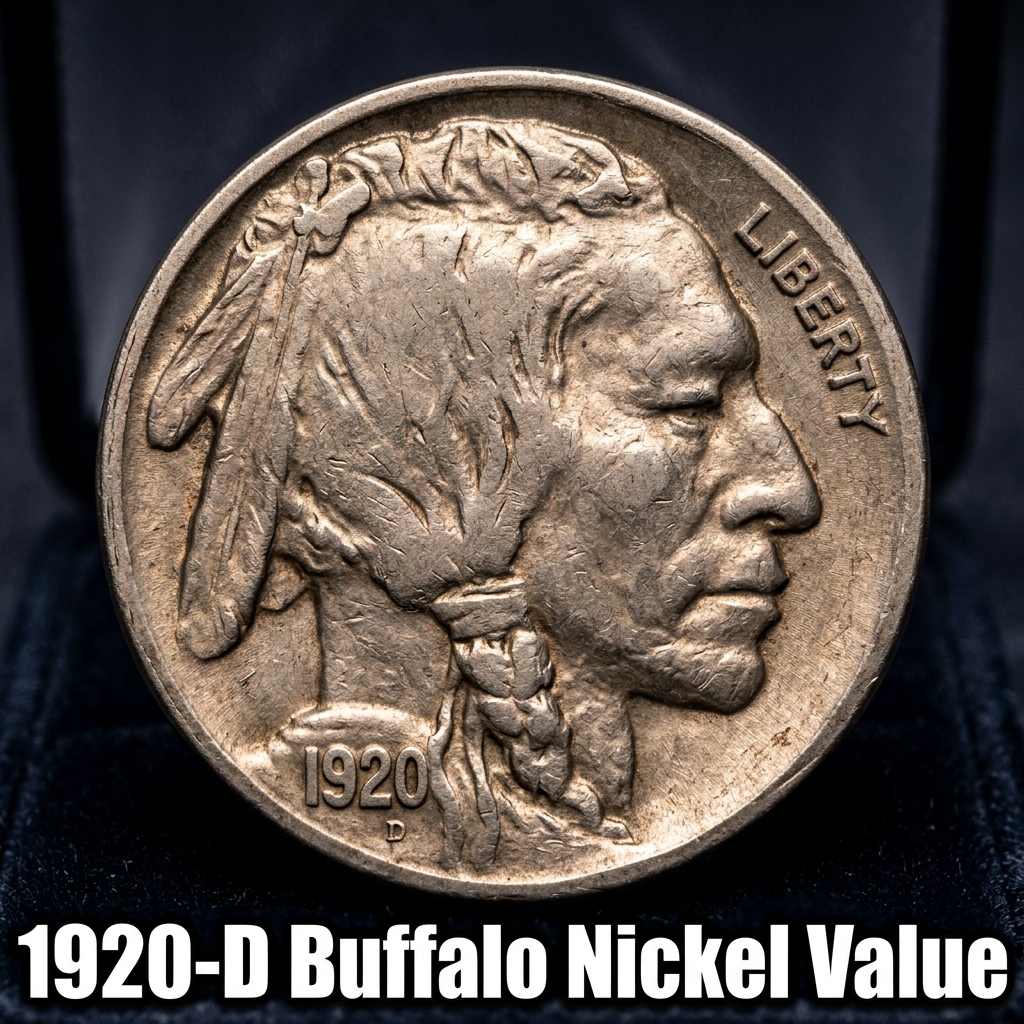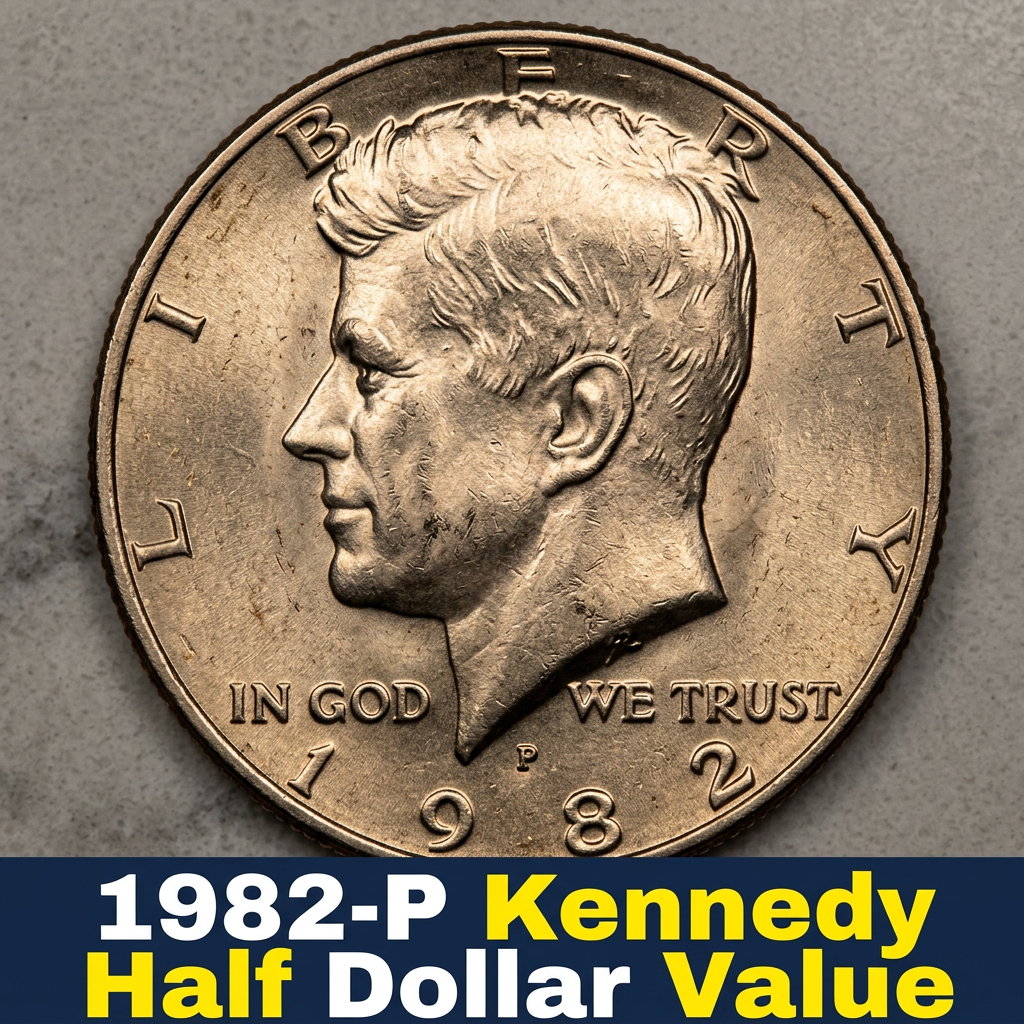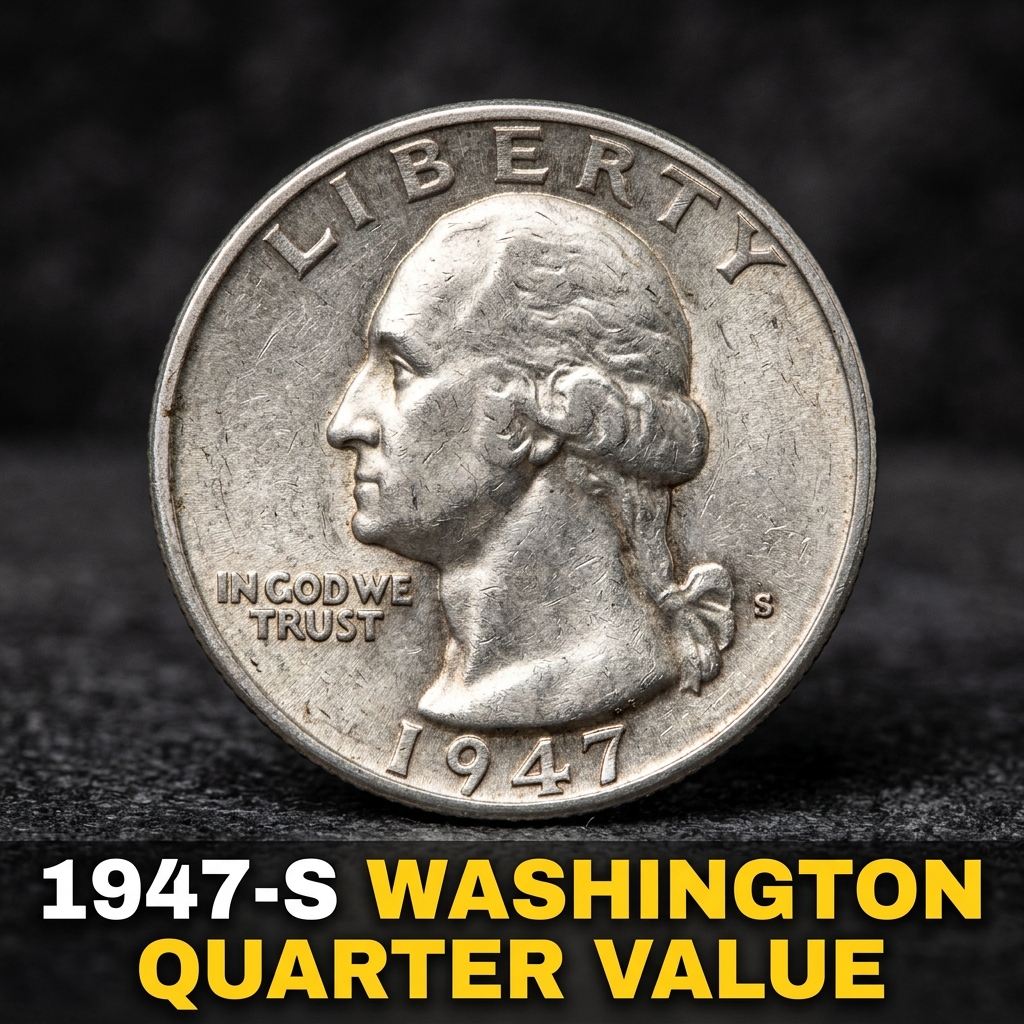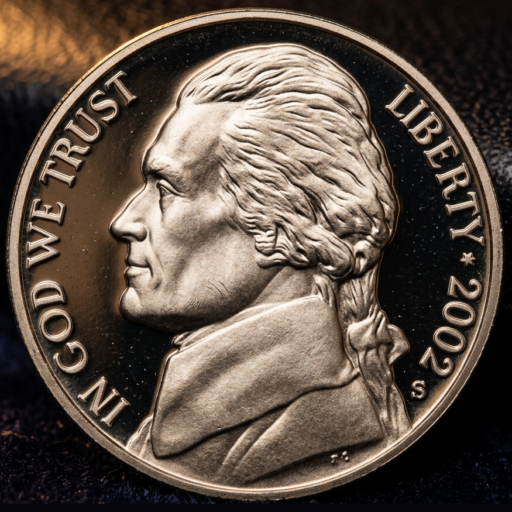
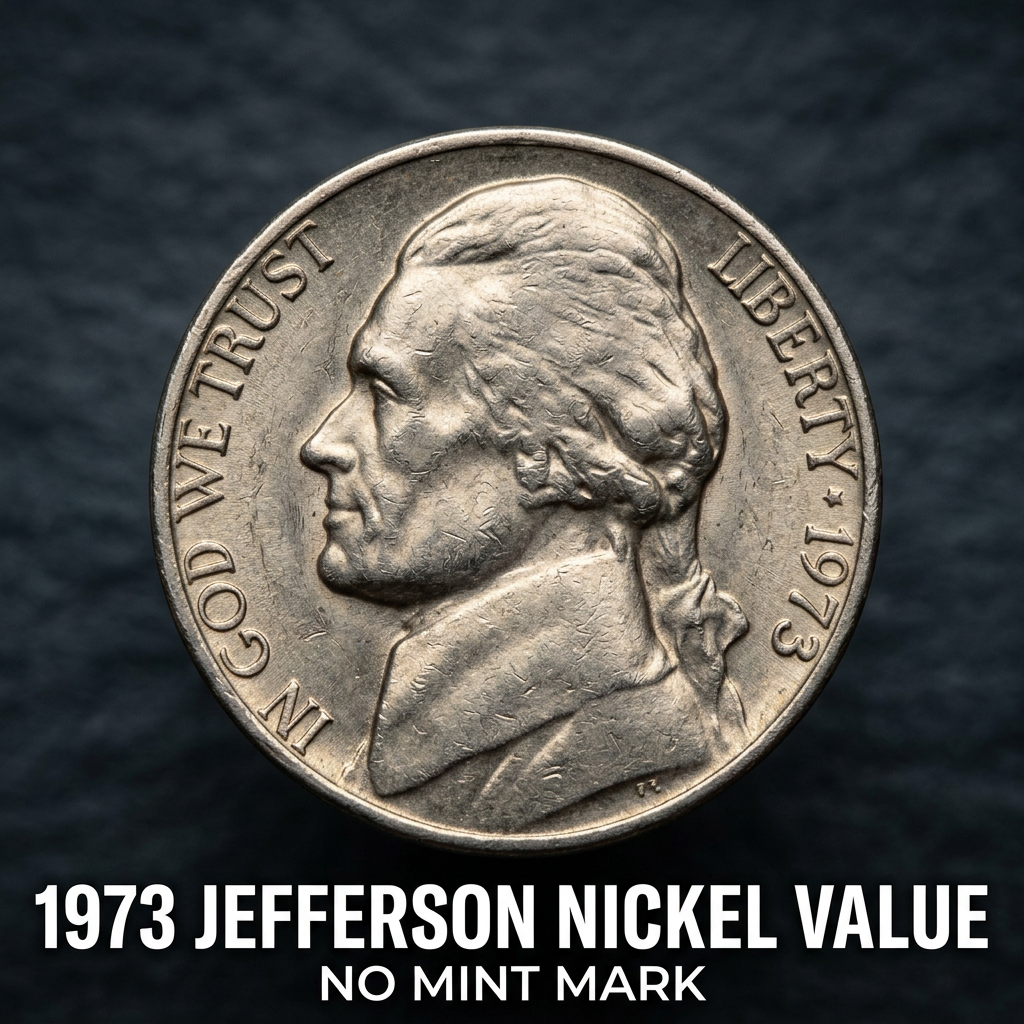
The 1973 Jefferson Nickel with no mint mark is worth anywhere from 5 cents in heavily worn condition to over $100 in pristine uncirculated grades. Most of these coins are common and spend their lives in pocket change, but a few high-grade survivors can surprise collectors with real value.
What the No Mint Mark Means on a 1973 Nickel
If you’re holding a 1973 nickel and you don’t see a small letter stamped near the date, that’s actually normal — and it tells you something important. The Philadelphia Mint did not add a mint mark to its coins until 1980, so all Philadelphia-issued Jefferson Nickels from 1973 have no mint mark by design.
In 1973, the Philadelphia Mint struck over 384 million of these nickels, making them one of the most common coins in the series. That high mintage is the main reason most 1973 nickels without a mint mark are worth only face value or just slightly more in average circulated condition.
However, “common” doesn’t always mean “worthless.” If your coin looks sharp, shiny, and shows no signs of wear, it may be worth a closer look. Coin collectors prize high-grade examples, and that’s where real value starts to appear.
1973 Jefferson Nickel Value Chart by Grade
Coin value is almost entirely determined by condition, also called “grade.” A heavily worn coin is worth much less than one that looks like it just left the mint. Here’s a quick breakdown of what a 1973 Philadelphia nickel is typically worth:
| Grade | Description | Estimated Value |
|---|---|---|
| Good (G-4) | Heavy wear, details faded | $0.05 – $0.10 |
| Fine (F-12) | Moderate wear, main features clear | $0.10 – $0.25 |
| Extremely Fine (EF-40) | Light wear on high points | $0.50 – $1.00 |
| Mint State (MS-63) | Uncirculated, some minor marks | $3 – $8 |
| Mint State (MS-65) | Gem uncirculated, strong luster | $15 – $40 |
| Mint State (MS-67) | Near perfect, very rare | $75 – $150+ |
For more detailed 1973 Jefferson Nickel price data across mint state grades, you can browse recent auction results and certified coin sales.
How to Tell If Your 1973 Nickel Is Worth More Than Face Value
The biggest factor is whether your coin has been circulated. Circulated coins have passed through many hands, which causes tiny scratches, flattening of the highest design points, and a dull look overall.
Look at the steps on Monticello’s reverse — the historic building shown on every Jefferson Nickel. If you can count five or six sharp, fully defined steps below the building’s entrance, you may have what collectors call a “Full Steps” coin. Full Steps examples in high grades can be worth significantly more than standard uncirculated coins.
To check your coin quickly and easily, download a free coin identifier app on your smartphone. These tools use image recognition to help you identify coins and get an instant value estimate without needing any coin expertise.
CoinHix is one of the best options available for this. It’s free, fast, and built specifically to help everyday people understand what their old coins are worth. Just snap a photo, and CoinHix gives you a grade estimate and market value right on your screen.
Errors and Varieties That Could Make Your 1973 Nickel More Valuable
Most 1973 nickels are straightforward, but errors do exist — and they can turn an ordinary coin into a small treasure. Doubled die errors, where the design appears slightly doubled due to a misalignment during the minting process, are among the most sought-after varieties.
Other errors to look for include off-center strikes (where the design is noticeably shifted to one side), clipped planchets (the coin blank was cut incorrectly), and die caps. These are rare, but they’re out there, and coin roll hunters find them every year.
If you suspect you have an error coin, it’s worth having it examined. You can start by looking up detailed 1973 nickel value information including known error types before deciding whether to send it to a professional grading service like PCGS or NGC.
Should You Keep or Spend Your 1973 Jefferson Nickel?
If your coin is worn and shows no unusual features, it’s worth face value — spend it or toss it in a jar. But if it looks bright, sharp, and pristine, or if you notice anything unusual about the design, it’s worth keeping aside and looking into further.
Coin collecting doesn’t have to be intimidating. Apps like CoinHix make it easy to get started. Whether you’re checking one coin or going through a whole collection, a few minutes of research could reveal something more valuable than you expected.
The 1973 Jefferson Nickel with no mint mark is a common coin, but condition and errors can make it stand out. Don’t toss it without a second look.
—
FAQ
Q: Is a 1973 nickel with no mint mark rare?
A: No, it is not rare. The Philadelphia Mint produced over 384 million of them in 1973. However, high-grade uncirculated examples and error coins can still be worth more than face value to collectors.
Q: How much is a 1973 Philadelphia nickel worth in mint state?
A: A 1973 Jefferson Nickel in MS-63 condition is typically worth $3 to $8. In gem grades like MS-65, values rise to $15–$40, and exceptional MS-67 coins can sell for $75 to over $150.
Q: What makes a 1973 Jefferson Nickel valuable?
A: The main factors are grade (condition), the presence of Full Steps on the Monticello reverse, and any mint errors such as doubled dies or off-center strikes. A coin that is well-preserved and shows sharp details will always command a premium over a worn example.