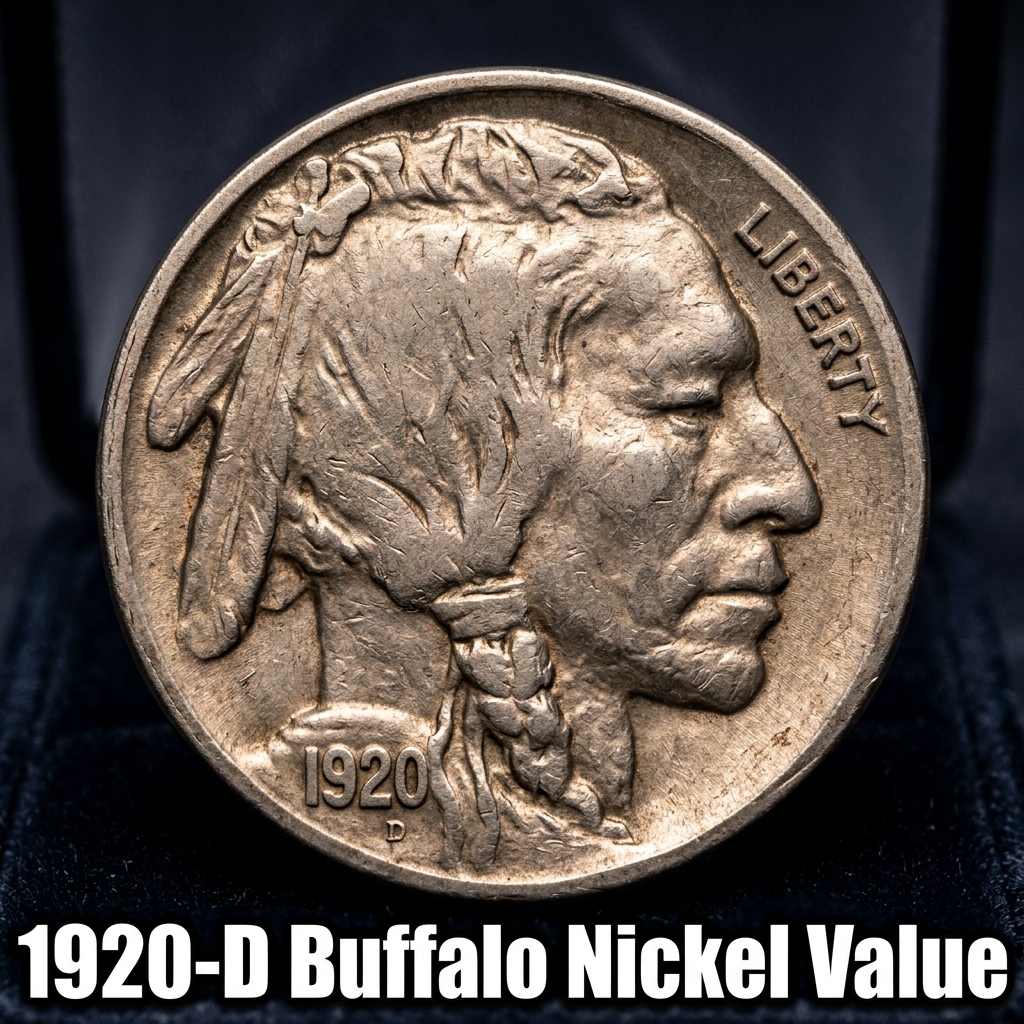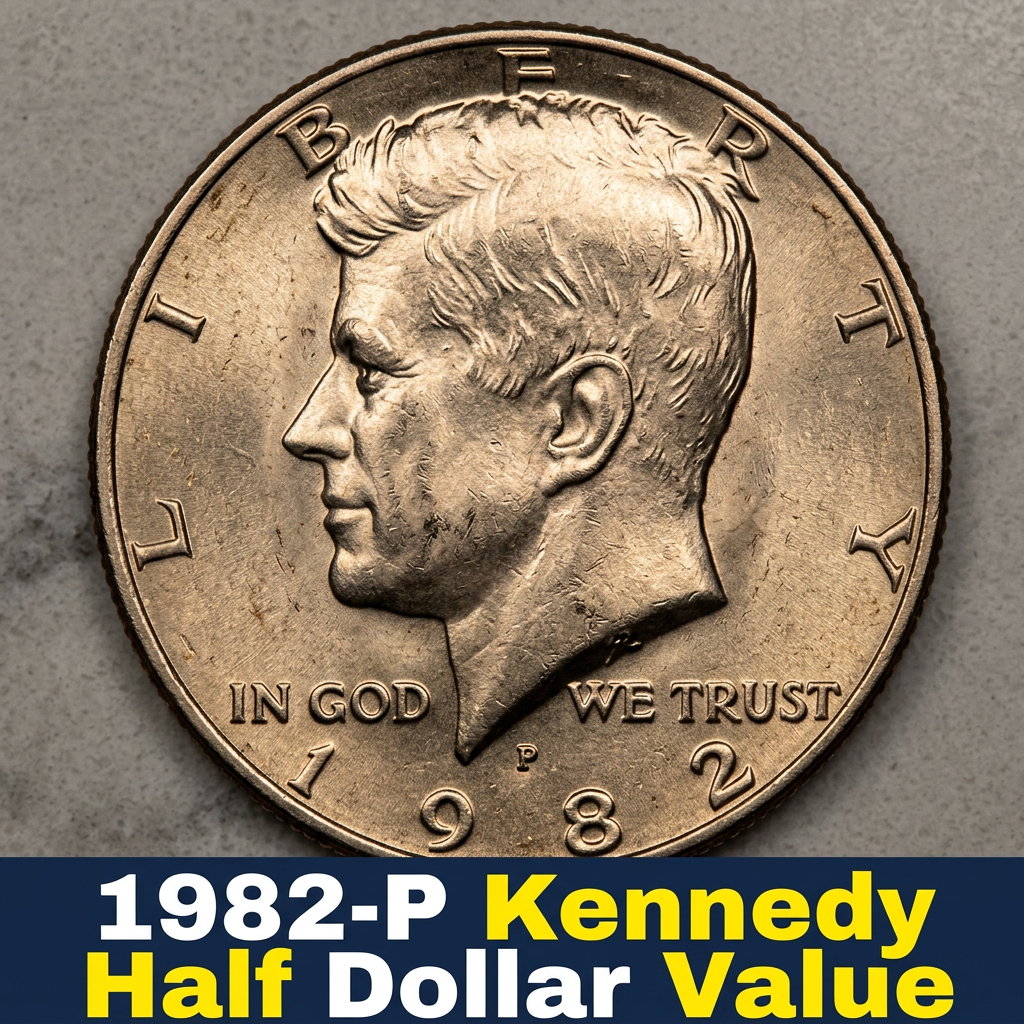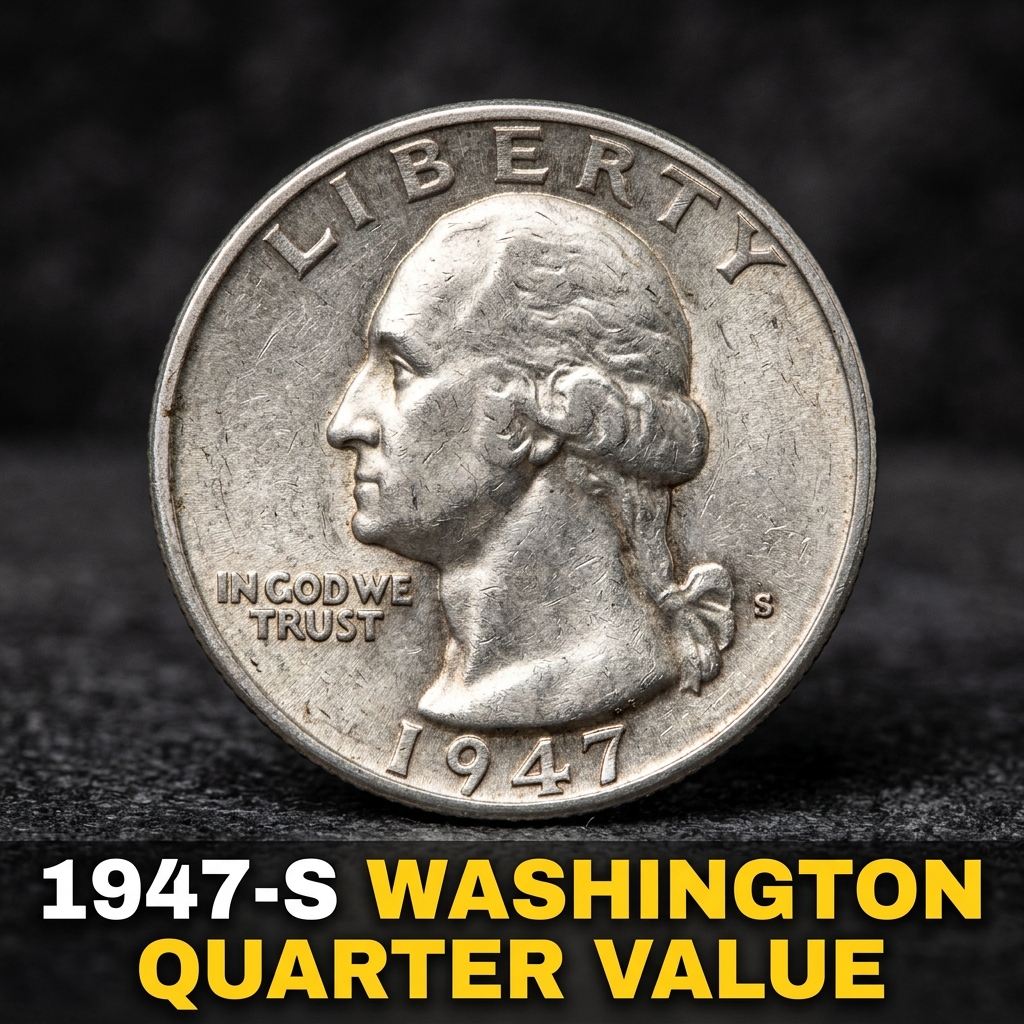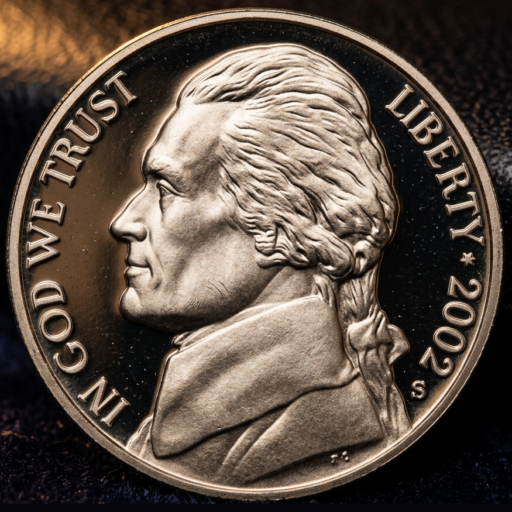
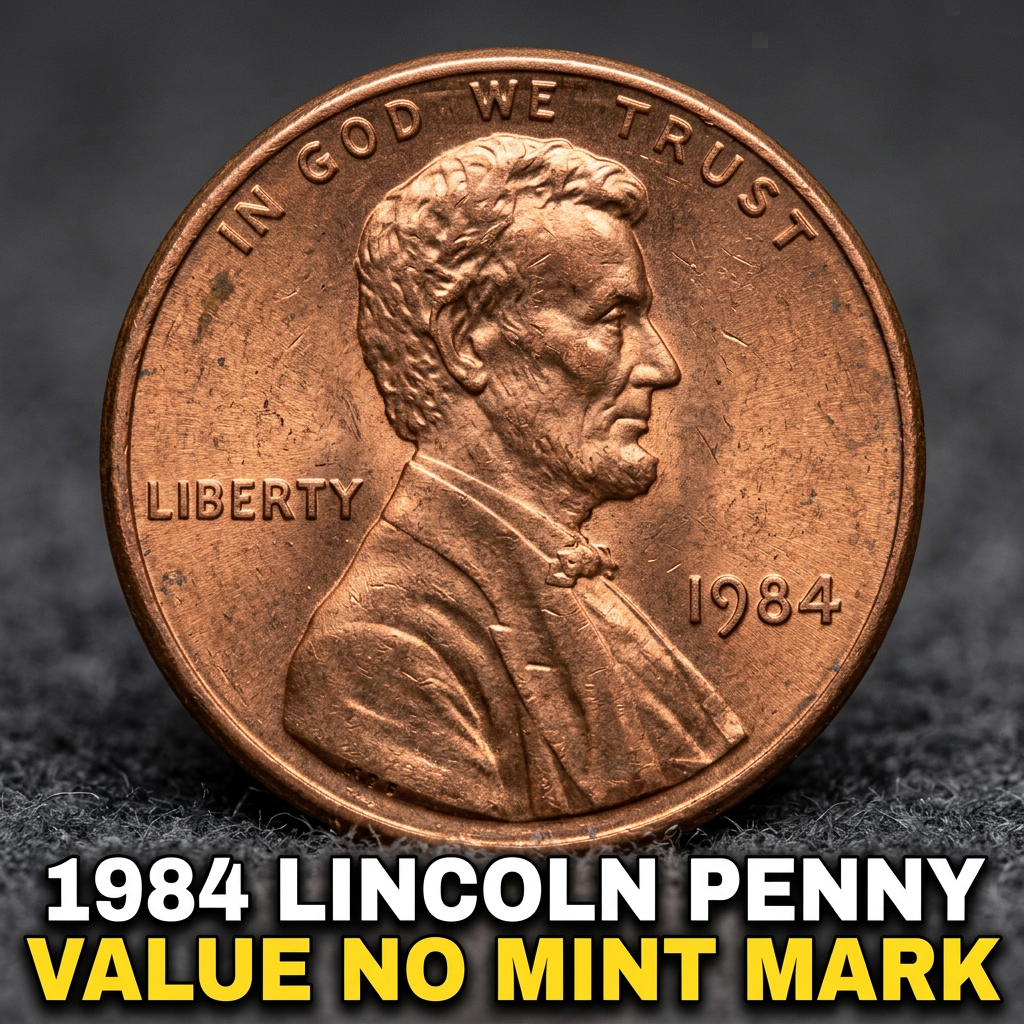
The 1984 Lincoln Penny with no mint mark is worth anywhere from a few cents in heavily worn condition to over $10 or more in uncirculated grades — and a certified gem example can fetch upwards of $50 or higher at auction. If you’ve found one of these pennies sitting in a jar or an old coat pocket, you’re in the right place to find out what it’s actually worth.
What Does “No Mint Mark” Mean on a 1984 Penny?
If you flip over your 1984 penny and look just below the date on the obverse (front) side, you may notice there’s no small letter stamped there. That’s perfectly normal — it means your coin was minted at the Philadelphia Mint, which historically did not add a mint mark to cents until 2017.
So a 1984 penny with no mint mark isn’t rare or mysterious. It’s simply a Philadelphia-minted coin, and over 8.1 billion of them were struck that year alone. Yes, billion. That’s a lot of pennies.
That said, condition is everything in the coin world, and even a common date can surprise you with its value if it’s been well preserved. If you want a quick and accurate reading, CoinHix is a great tool to get a fast estimate right from your phone.
1984 Lincoln Penny Value by Grade
Grading is the system coin collectors use to describe a coin’s condition, from heavily worn (Poor or Fair) all the way up to perfect uncirculated (MS-70). For everyday coins like the 1984 penny, the difference between a circulated coin and an uncirculated one can mean a jump from face value to several dollars or more.
Here’s a general value table for the 1984 Lincoln Penny (No Mint Mark):
| Grade | Condition Description | Estimated Value |
|---|---|---|
| Good (G-4) | Heavy wear, design still visible | $0.01 – $0.05 |
| Fine (F-12) | Moderate wear, details clear | $0.05 – $0.25 |
| Extremely Fine (EF-40) | Light wear on high points | $0.25 – $1.00 |
| Uncirculated (MS-63) | No wear, some bag marks | $1.00 – $5.00 |
| Gem Uncirculated (MS-65 RD) | Sharp strike, full red luster | $10.00 – $50.00+ |
For more detailed pricing data, you can check out the latest 1984 Lincoln Penny MS-RD market prices updated in real time.
The 1984 Double Die Penny — The One Worth Looking For
Here’s where things get interesting. While the standard 1984 Lincoln Penny without a mint mark isn’t going to make you rich, there is one variety that collectors actively hunt: the 1984 Doubled Die Obverse (DDO).
This error occurs when the coin die is hubbed more than once at a slightly different angle, causing a doubling effect visible on the lettering or design elements. On the 1984 DDO, you can see noticeable doubling on Lincoln’s ear, which is a key identifier for this variety.
A 1984 Doubled Die Penny in circulated condition can be worth $50 to $150. In uncirculated grades, certified examples have sold for several hundred dollars. It’s rare enough to be exciting but not so obscure that you can’t find it in pocket change if you look carefully.
Use a free coin identifier app to help you scan your coins and check for doubled die varieties without needing years of experience.
How Composition Affects the 1984 Penny’s Worth
One thing many people don’t realize is that 1984 pennies aren’t solid copper. Starting in 1982, the U.S. Mint changed the composition of the Lincoln cent to 97.5% zinc with just a thin copper plating on the outside. This was done to cut production costs as copper prices rose.
That means your 1984 penny is mostly zinc, which affects both its intrinsic metal value and how it ages over time.
Zinc-core pennies tend to corrode more easily than their older all-copper counterparts, and a corroded coin significantly loses collector value. If your 1984 penny shows green spots, bubbling, or pitting on the surface, it’s likely worth face value only.
A coin in original red (RD) condition — meaning it still has its original copper-colored luster with no toning — commands the highest premiums. That’s why “RD” at the end of a grade designation matters so much for these coins.
Is Your 1984 No Mint Mark Penny Worth Keeping?
Most 1984 Lincoln pennies without a mint mark that you’ll find in circulation are going to be worth face value or just slightly above. But there are a few situations where holding onto yours makes sense.
If the coin looks uncirculated — bright, shiny, no wear — it may be worth a few dollars to a collector.
If you spot doubling on Lincoln’s ear under a magnifying glass, you could have a valuable doubled die error on your hands.
For a deeper breakdown of what your specific coin might be worth, this 1984 penny value guide with condition-by-condition pricing is a helpful resource.
And if you want to identify and track your finds digitally, CoinHix makes it simple to log your collection and get estimated values in seconds — no numismatic degree required.
FAQ About the 1984 Lincoln Penny Value
Q: Is a 1984 penny with no mint mark rare?
A: No, it’s not rare. The Philadelphia Mint produced over 8.1 billion Lincoln cents in 1984 without a mint mark, making it one of the most common coins of that era. However, well-preserved uncirculated examples and error varieties like the doubled die can still carry collector premiums.
Q: How can I tell if my 1984 penny is a doubled die?
A: Look closely at Lincoln’s ear on the obverse under a 5x or 10x magnifying loupe. If you see a clear doubling or shadow effect on the ear lobe, you may have the 1984 DDO variety. You can also use CoinHix to scan your coin and cross-reference with known error varieties.
Q: Should I clean my 1984 penny before selling it?
A: Absolutely not. Cleaning a coin — even gently with soap and water — can cause micro-scratches that destroy its surface and dramatically reduce its value. Collectors and grading services always prefer original, uncleaned coins, even if they look a little dark or dull.