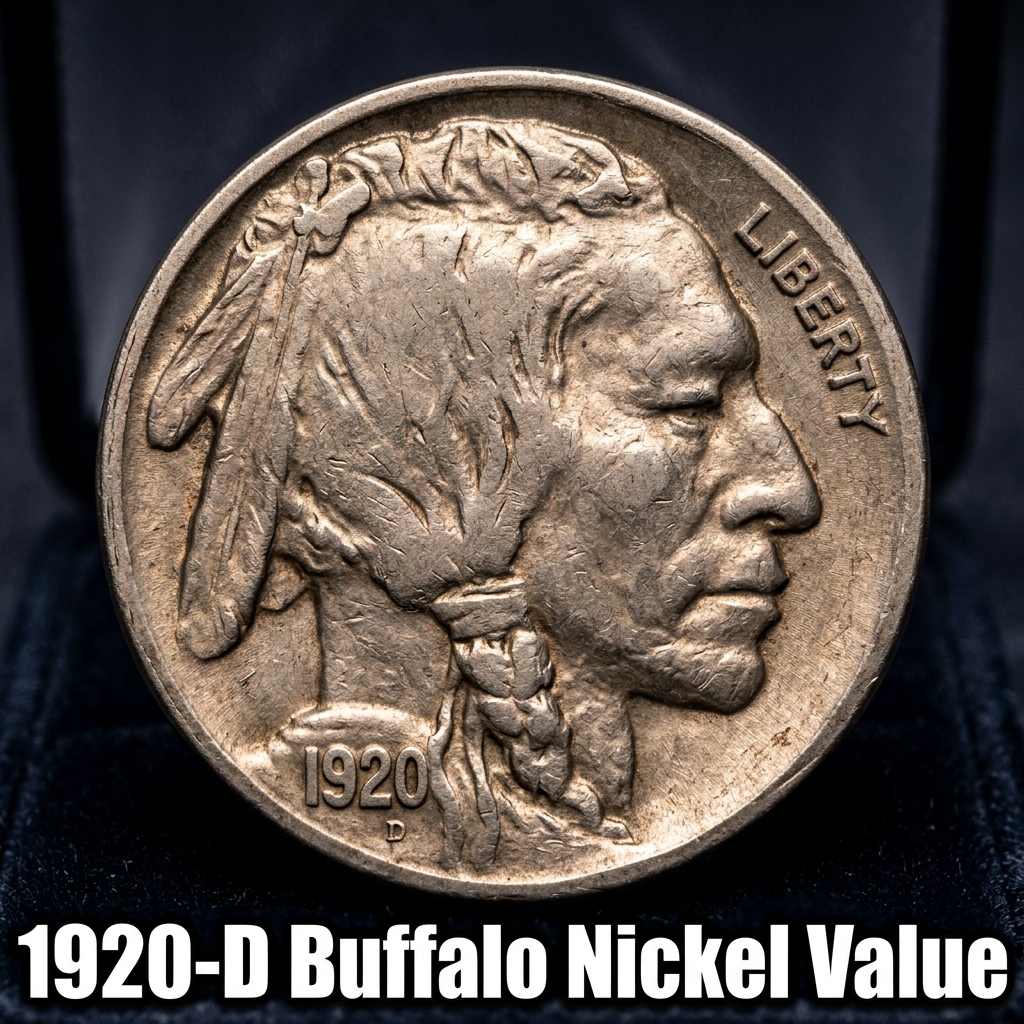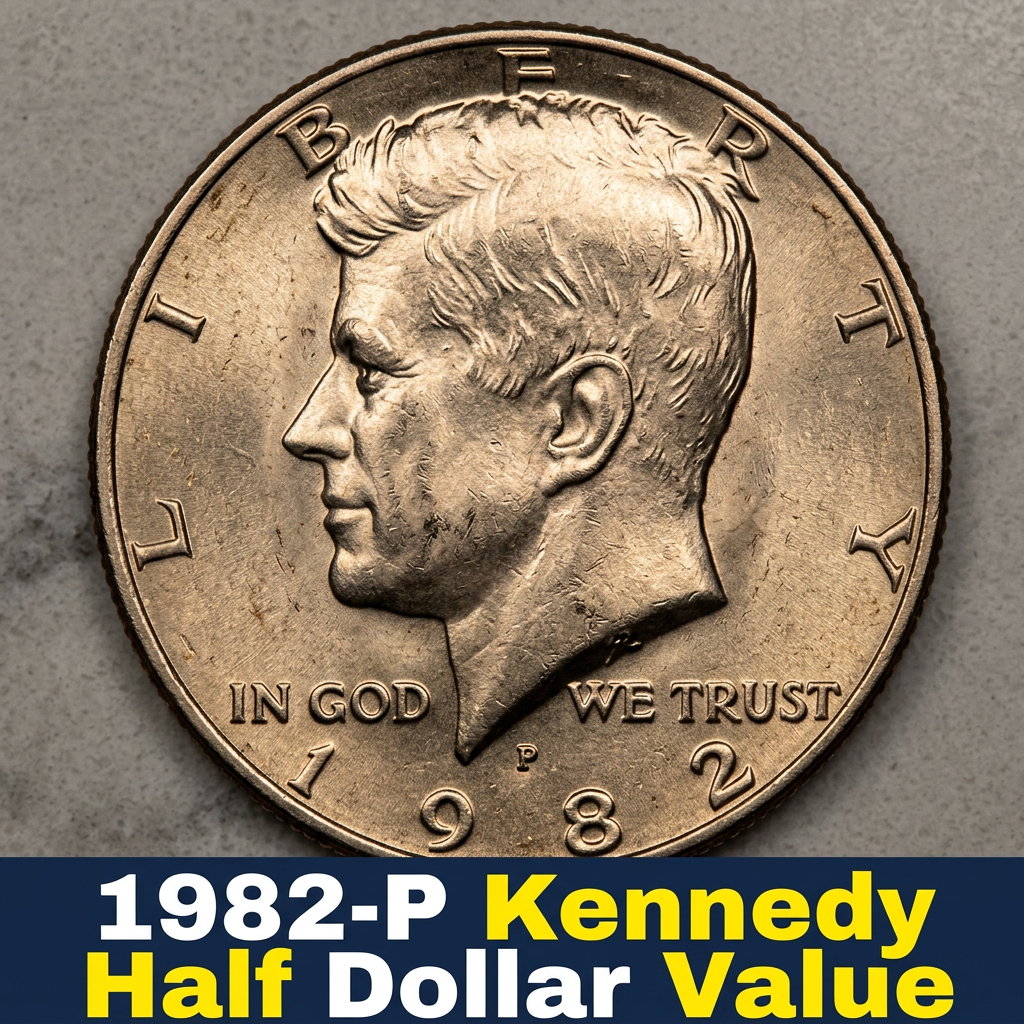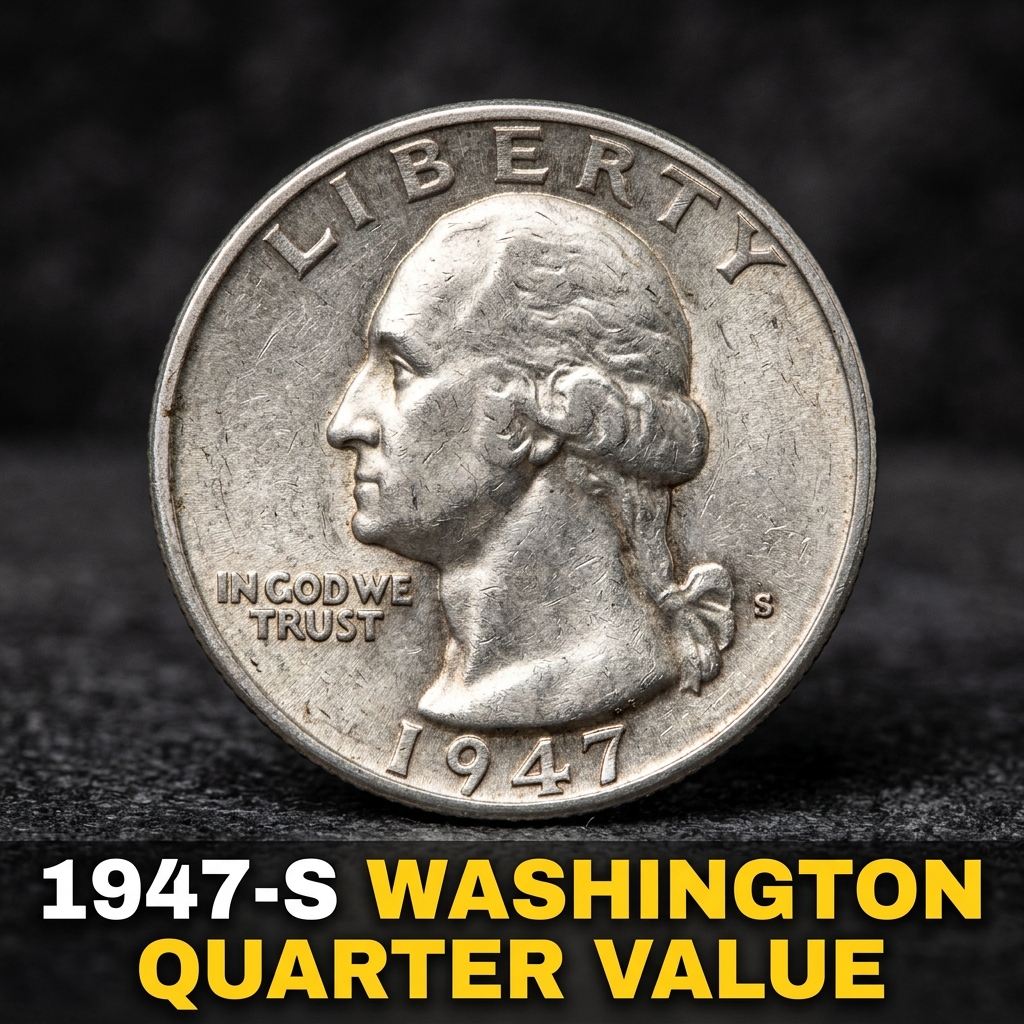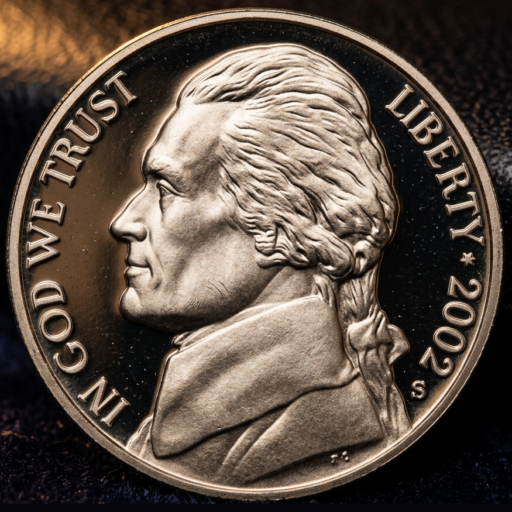
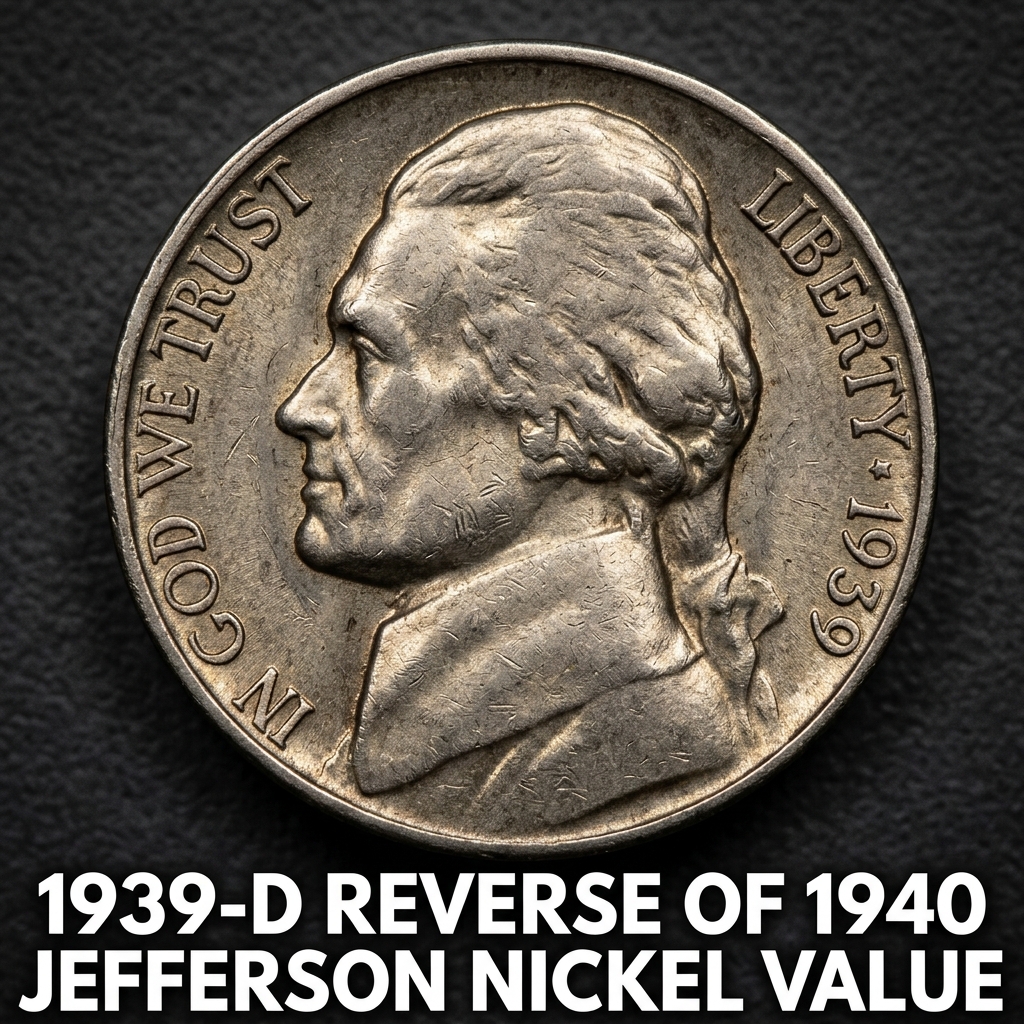
The 1939-D Reverse of 1940 Jefferson Nickel is worth anywhere from $2 in heavily worn condition to well over $100 in high-grade mint state — and certain certified examples have sold for even more. If you found one of these coins in a jar, old wallet, or inherited collection, you might be sitting on a surprisingly valuable piece of American numismatic history.
What Makes the 1939-D Reverse of 1940 So Special?
Most people don’t realize that Jefferson nickels from 1939 came in more than one variety. The “Reverse of 1940” designation refers to a specific die variety where the mintmark and design details on the back of the coin reflect the updated hub used in 1940, rather than the standard reverse design used for most 1939-D nickels.
This variety has stronger, more sharply defined steps on Monticello and slightly different lettering characteristics. To the untrained eye, it looks like a regular old nickel. But to a coin collector, it’s a completely different coin — and worth significantly more money.
If you’re not sure which variety you have, using a free coin identifier app is one of the easiest ways to get started. These tools can help you figure out what you’ve got before you do anything else with the coin.
How to Tell If Your 1939-D Nickel Is the Reverse of 1940
Identifying this variety takes a little attention to detail, but it’s definitely something you can do at home with a magnifying glass.
The key things to look for are the sharpness of the steps on the Monticello building on the reverse side. The Reverse of 1940 shows crisper lines and a more defined architectural style compared to the standard 1939-D reverse. The “D” mintmark appears to the right of Monticello, which confirms the Denver Mint origin.
You’ll also notice differences in the thickness of the lettering around the rim. The 1940-style reverse has a slightly bolder appearance overall. If you’re comparing photos online, look specifically at the base of the building and the horizontal lines representing the steps — that’s usually the giveaway.
CoinHix is a great tool to help with variety identification. The app includes die variety data for many Jefferson nickel issues, making it easier for everyday collectors to spot these kinds of differences without needing to be an expert.
1939-D Reverse of 1940 Jefferson Nickel Value Chart
The value of this coin depends a lot on its condition. Here’s a general breakdown of what you might expect:
| Grade / Condition | Estimated Value |
|---|---|
| Good (G-4) | $2 – $5 |
| Fine (F-12) | $5 – $15 |
| Extremely Fine (EF-40) | $20 – $40 |
| About Uncirculated (AU-55) | $45 – $75 |
| Mint State (MS-63) | $80 – $150+ |
| Full Steps (MS-65 FS) | $200 – $500+ |
For a more detailed look at current market prices, you can check out real-time Jefferson nickel price data for the 1939 issue, which is updated regularly based on auction results and dealer sales.
Full Steps — The Detail That Changes Everything
Among collectors, “Full Steps” is one of the most important designations for Jefferson nickels. If the steps on Monticello are complete and fully separated — without any weakness, nicks, or contact marks — the coin qualifies for this premium designation from grading services like PCGS or NGC.
A Full Steps 1939-D Reverse of 1940 nickel in MS-65 or higher can be worth several times more than a regular example of the same grade. That’s a dramatic difference for what looks like a common coin at first glance.
This is why condition matters so much. Even a small difference in grade or the presence or absence of Full Steps can swing the value by hundreds of dollars. For a comprehensive breakdown of what your 1939 nickel is worth based on grade and variety, there are reliable resources available that walk you through each factor in plain language.
Should You Get It Graded or Sell It As-Is?
If your coin looks like it’s in really nice condition — no scratches, original shine, sharp details — it may be worth having it professionally graded by PCGS or NGC. Grading costs money up front, but a certified high-grade example of this variety can sell for significantly more than a raw (ungraded) coin.
On the other hand, if the coin is worn or has visible damage, it’s probably not worth the grading fee. In that case, you can still sell it to a coin dealer or list it on eBay as an identified variety.
CoinHix can also help you track recent sale prices for this specific variety so you can make a more informed decision before sending it to a grading service. Knowing the market ahead of time saves you both time and money.
Frequently Asked Questions
Q: How do I know if my 1939-D nickel is the Reverse of 1940 variety?
A: Look at the steps on Monticello on the back of the coin. The Reverse of 1940 shows sharper, more defined steps and slightly bolder lettering compared to the standard 1939-D reverse. A magnifying glass or loupe will help you see the differences clearly. You can also compare your coin to variety images available through CoinHix or dedicated numismatic databases.
Q: Is the 1939-D Reverse of 1940 nickel rare?
A: It’s not extremely rare in the sense that it’s impossible to find, but it’s significantly scarcer than the standard 1939-D nickel. High-grade examples with Full Steps are genuinely tough to locate, and certified specimens in top condition command serious premiums at auction.
Q: What should I do if I think I have one?
A: Don’t clean it — that’s the number one rule. Cleaning a coin almost always lowers its value. Instead, put it in a soft coin flip or holder for protection, research the variety using online resources or a coin identifier app, and consider getting a professional appraisal or submitting it to a grading service if it appears to be in excellent condition.