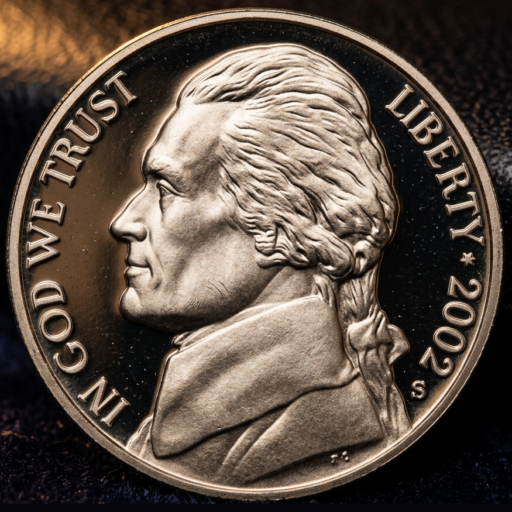
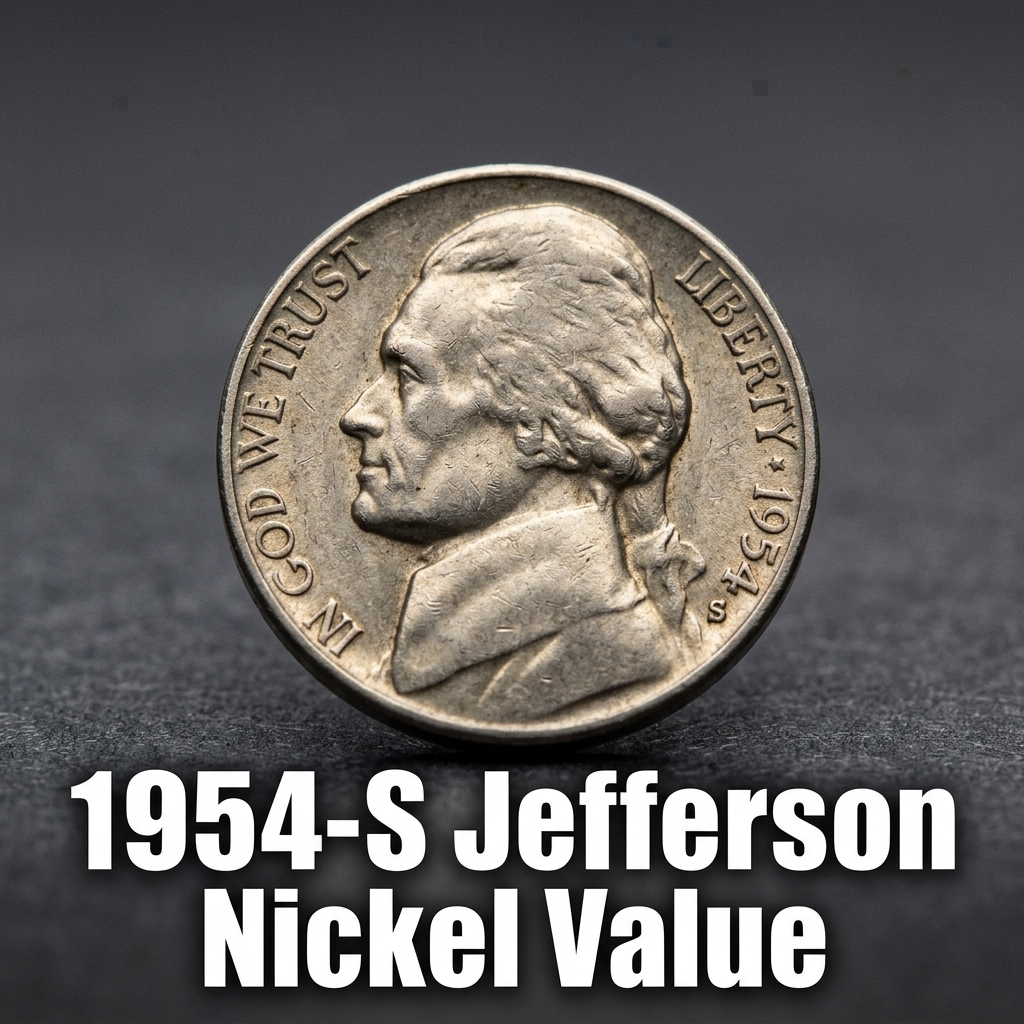
The 1954-S Jefferson Nickel is worth anywhere from 25 cents in heavily worn condition to over $50 or more in top mint state grades — and a few exceptional examples have sold for well over $100. If you found one of these coins in a jar, a drawer, or an old collection, you’re in the right place to find out exactly what you’ve got.
What Makes the 1954-S Jefferson Nickel Special
The “S” mintmark on this coin tells you it was struck at the San Francisco Mint in 1954. That year, the San Francisco facility produced just over 29.3 million of these nickels — a relatively modest number compared to Philadelphia’s output that same year.
While 29 million sounds like a lot, many of these coins were spent and heavily circulated, meaning coins that survived in clean, uncirculated condition are much harder to find today.
If you’re not sure how to identify your coin’s mintmark or grade, a free coin identifier app can help you get a quick read on what you’re holding before you dig deeper into research.
How Much Is the 1954-S Jefferson Nickel Worth Today
The value of your 1954-S nickel depends almost entirely on its condition — what coin collectors call its “grade.” A coin that’s been passed through countless hands looks very different from one that sat in a roll untouched for 70 years.
Here’s a general value breakdown:
| Grade / Condition | Estimated Value |
|---|---|
| Good (G-4) | $0.25 – $0.50 |
| Fine (F-12) | $0.50 – $1.00 |
| Extremely Fine (EF-40) | $1.50 – $3.00 |
| About Uncirculated (AU-55) | $3.00 – $7.00 |
| Mint State (MS-63) | $10 – $20 |
| Gem Mint State (MS-65) | $35 – $60 |
| MS-66 and above | $100+ |
For the most up-to-date auction results and price trends, you can check out live 1954-S Jefferson Nickel prices across mint state grades to see what buyers are actually paying right now.
How to Grade Your 1954-S Jefferson Nickel at Home
You don’t need to be a professional numismatist to get a rough sense of your coin’s grade. Just grab a magnifying glass and look for a few key things.
Check the high points first. On the Jefferson nickel, the cheekbone and the steps of Monticello on the reverse wear down first. If those areas look flat and smooth, your coin is in lower grades (Good to Fine). If you can still see distinct detail and some luster, you might be looking at an AU or even mint state coin.
Full Steps (FS) designation is a big deal for Jefferson nickels. If the steps on Monticello are fully separated with no merging or wear, some grading services give the coin a “Full Steps” designation — and that can dramatically increase the value, sometimes by 5x or more compared to a non-FS example in the same grade.
CoinHix has a handy grading reference built into its coin scanning tool, making it easy to compare your coin to graded examples side by side.
Where to Sell a 1954-S Jefferson Nickel
If your coin grades out in circulated condition, it’s honestly a pocket-change coin for most collectors — worth keeping if you enjoy the hobby, but probably not worth listing individually online.
However, if you believe your coin is Mint State — especially if it shows full luster and strong Monticello steps — it’s worth getting a professional opinion. Services like PCGS or NGC can authenticate and grade your coin for a fee, and a graded MS-65 FS example can be worth real money to the right buyer.
For a quick estimate before going that route, the 1954 nickel value guide at Coin Value App gives you a solid overview of what similar coins have sold for recently.
You can also download CoinHix to scan your coin, get an instant grade estimate, and see recent comparable sales — all from your phone in under a minute.
Key Facts About the 1954-S Jefferson Nickel
– Mint: San Francisco
– Mintage: ~29.3 million
– Designer: Felix Schlag
– Composition: 75% copper, 25% nickel
– Diameter: 21.2 mm
– Edge: Plain
—
FAQ
Q: Is a 1954-S Jefferson Nickel rare?
A: It’s not considered rare in circulated grades — millions were made and many still exist. However, high-grade examples, especially those with Full Steps on Monticello, are genuinely scarce and can command strong premiums from collectors.
Q: What does the “S” mintmark mean on a 1954 nickel?
A: The “S” stands for the San Francisco Mint, where the coin was produced. You’ll find the mintmark on the reverse of the coin, to the right of Monticello. Philadelphia-minted coins from this era have no mintmark, and Denver coins carry a “D.”
Q: How can I tell if my 1954-S nickel has Full Steps?
A: Look at the steps on the base of Monticello on the reverse. If you can count five or six fully separated, uninterrupted horizontal lines with no nicks or merges, it may qualify for the Full Steps designation. Using CoinHix or consulting a professional grader is the best way to confirm this detail before buying or selling.