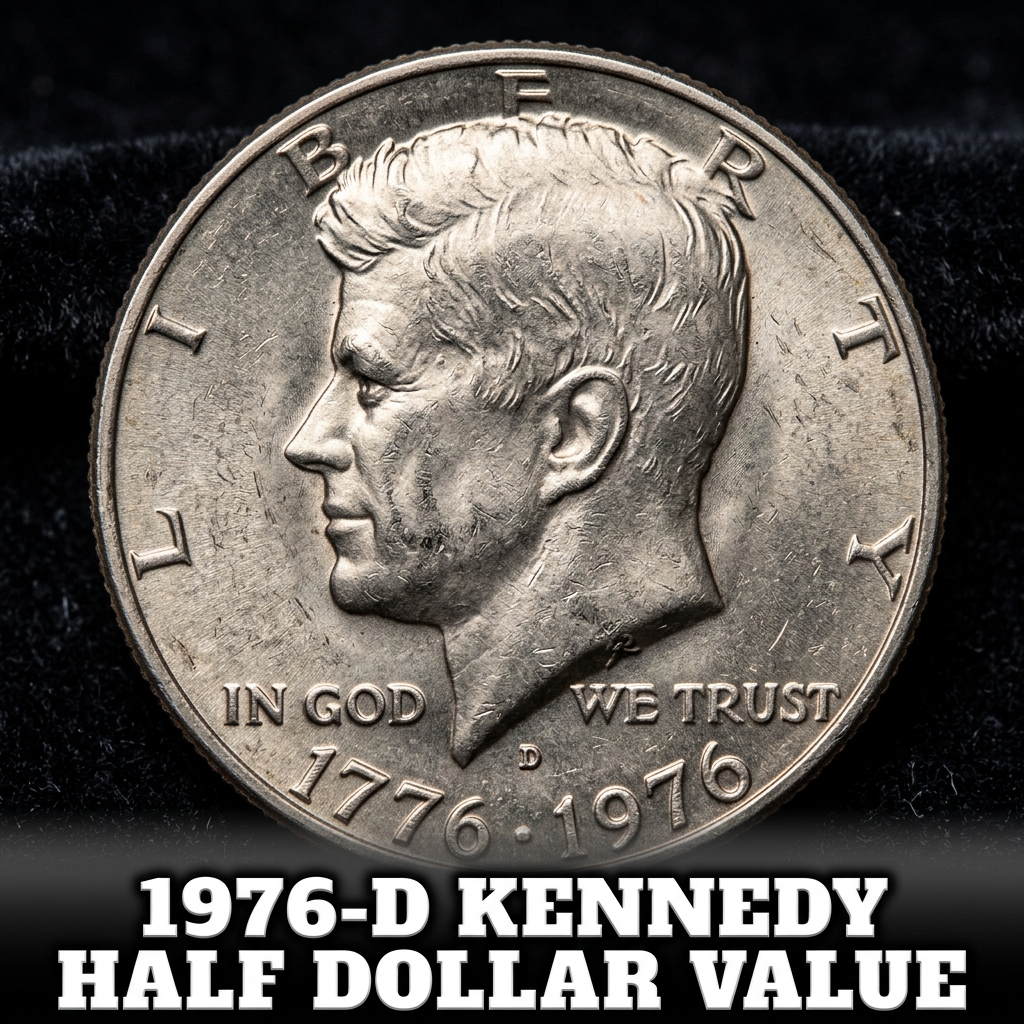
The 1976-D Kennedy Half Dollar is worth anywhere from 50 cents in heavily worn condition to over $20 in top mint state grades — and certain silver versions can fetch even more. If you just pulled one of these coins out of an old jar or found it in a relative’s collection, you’re in the right place. Let’s break down exactly what you’ve got.
What Makes the 1976-D Kennedy Half Dollar Special
The 1976-D Kennedy Half Dollar was minted in Denver as part of the United States Bicentennial celebration — marking 200 years of American independence. That’s why you’ll notice something unusual on the reverse side: instead of the classic eagle, this coin features Independence Hall, and the date reads “1776–1976” rather than just 1976.
This special design was only used for three years (1975–1976), making it a recognizable piece of American history. It was struck in large quantities — over 287 million coins — which means most examples are common in circulated grades. Still, collectors value nice uncirculated examples, and there are silver proof versions that are worth considerably more.
If you’re not sure exactly what version you have, using a free coin identifier app can help you quickly figure out whether your coin is the standard clad version or the rarer silver collector’s edition.
1976-D Kennedy Half Dollar Value by Grade
The value of your 1976-D Kennedy Half Dollar depends heavily on its condition, also known as its “grade.” A coin that’s been sitting in a pocket for decades will be worth much less than one that’s been stored carefully since it left the mint.
Here’s a general value table to give you a quick idea of what your coin might be worth:
| Grade / Condition | Estimated Value |
|---|---|
| Good (G-4) – Heavy wear | $0.50 – $1.00 |
| Fine (F-12) – Moderate wear | $1.00 – $2.00 |
| Extremely Fine (EF-40) | $2.00 – $4.00 |
| Uncirculated (MS-63) | $5.00 – $10.00 |
| Gem Uncirculated (MS-65) | $12.00 – $22.00 |
| MS-67 (Top Grade) | $50.00+ |
For the most current and up-to-date figures, you can check out detailed 1976-D Kennedy Half Dollar price data by grade on CoinHix, which tracks real auction results across mint state examples.
Is Your 1976-D Kennedy Half Dollar Silver?
This is the big question most people ask — and the answer is: probably not, but let’s make sure.
The standard 1976-D Kennedy Half Dollar struck for circulation is made of clad metal — a copper core sandwiched between layers of nickel. These coins have no silver content and are worth only face value or slightly above in worn grades.
However, the U.S. Mint also produced a 40% silver version of the Bicentennial half dollar — but only as part of special collector’s sets. These were struck at the San Francisco Mint (bearing an “S” mintmark) and sold directly to collectors. If your coin has a “D” mintmark, it is the standard clad version.
To tell the difference, look at the edge of the coin. A clad coin will show a copper-colored stripe along the rim. A silver coin will have a solid silver-gray edge all the way around. You can also weigh your coin — clad halves weigh about 11.34 grams, while the silver version weighs closer to 11.50 grams.
Where the D Mintmark Is and How to Find It
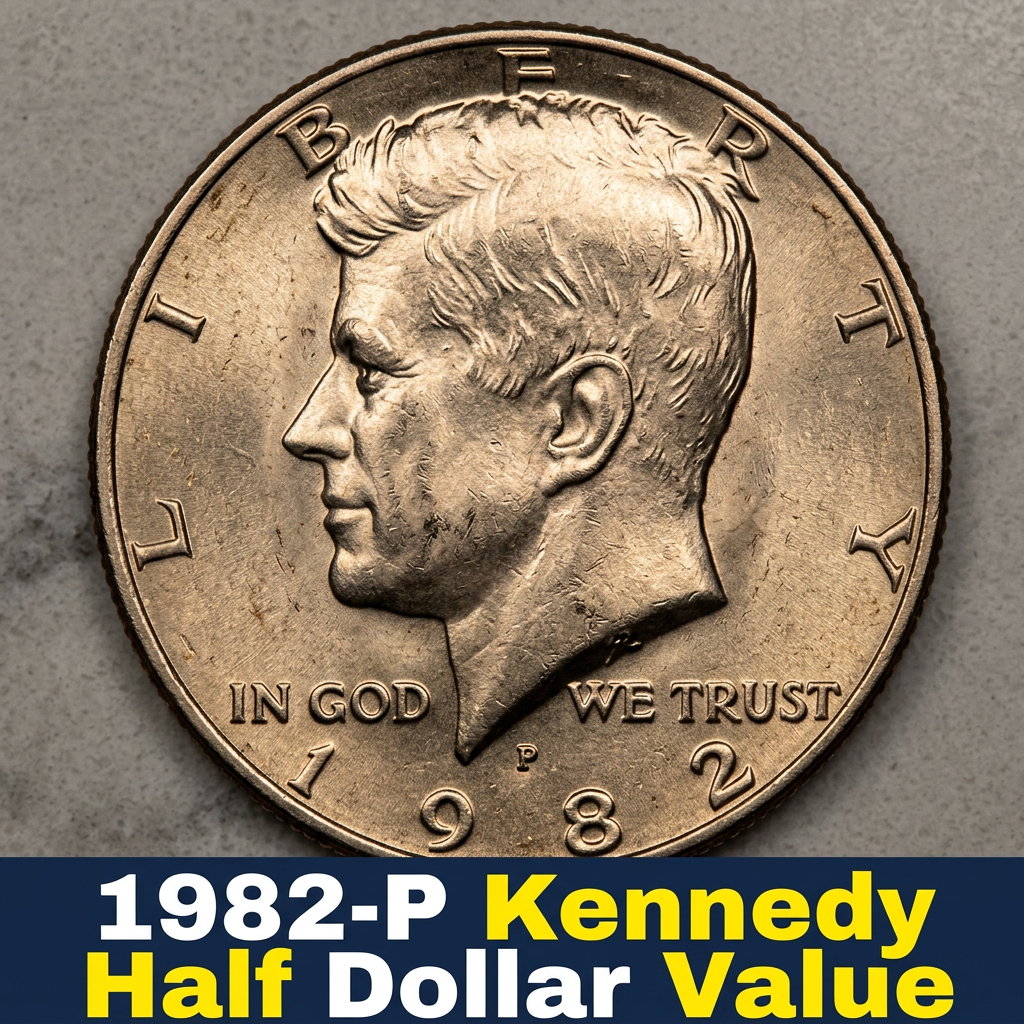
The “D” on your 1976-D Kennedy Half Dollar stands for the Denver Mint, where it was produced. You can find the mintmark on the obverse (front) of the coin, just below Kennedy’s portrait near the date.
It’s a small detail, but it matters to collectors. The Denver and Philadelphia versions of the Bicentennial half dollar were struck in similar quantities and have comparable values. Neither carries a major premium over the other in most grades.
That said, coins in pristine, uncirculated condition from any mint can hold real value. If you want a full picture of what collectors are currently paying, browsing current market values for the 1776–1976 Bicentennial Half Dollar is a great starting point for understanding your coin’s worth across different grades and mint marks.
How to Get the Best Value for Your Coin
If you’re thinking about selling, a few tips can help you get the most out of your 1976-D Kennedy Half Dollar.
First, avoid cleaning your coin. Even if it looks dull or dirty, cleaning can permanently damage the surface and drastically reduce its collector value. Collectors and dealers strongly prefer original, uncleaned coins.
Second, consider getting your coin graded by a professional service like PCGS or NGC if it looks like it could be in MS-65 or higher condition. A certified grade adds credibility and can increase the sale price significantly.
Finally, try CoinHix to quickly look up real-time auction prices and understand what the market is actually paying for your coin right now. CoinHix is a trusted tool used by both beginner collectors and seasoned numismatists to get accurate, data-backed valuations without any guesswork.
FAQ
Q: Is a 1976-D Kennedy Half Dollar worth keeping?
A: Yes, especially if it’s in uncirculated condition. Circulated coins are worth close to face value, but a gem uncirculated example can be worth $15–$50 or more. It’s also a great piece of American Bicentennial history.
Q: How do I know if my 1976 half dollar is silver?
A: Check the edge of the coin. A silver Bicentennial half dollar will have a solid silver-gray edge with no copper stripe visible. Also check the mintmark — silver collector versions were made at the San Francisco Mint with an “S” mintmark, not the “D” Denver mintmark.
Q: Where can I sell my 1976-D Kennedy Half Dollar?
A: You can sell through online auction platforms like eBay, visit a local coin dealer, or list it on coin collector forums. For a quick valuation before you sell, CoinHix is a great resource to check what similar coins are actually fetching at auction right now.